







Step-by-Step Guide: How to Prime a Pump for Well Water
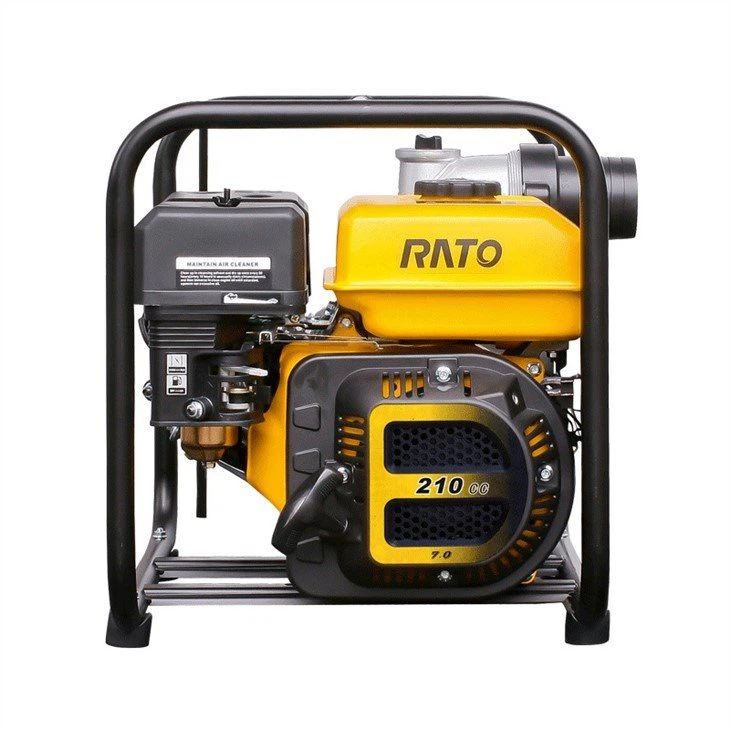
Turning on the faucet and hearing nothing but sputtering air is incredibly frustrating. You rely on a private water system for daily washing, farming, or industrial tasks. Sometimes the equipment just stops pulling liquid from the ground. Usually, it simply lost its prime. Air gets inside the pipes, blocking the suction pressure. Learning how to prime a pump for well water saves you the expensive fee of calling a plumber for a ten-minute job. If you need reliable hardware to back up your setup, LongdoGlobal manufactures sturdy outdoor machinery built to last through tough seasons. Let’s look at exactly how to get that water flowing again.
Why Is It Necessary to Prime a Well Pump?
Getting a well pump ready is not just a random maintenance chore. When air gets trapped inside the suction lines, the machine spins wildly but nothing actually moves up the pipes.
Preventing Costly Dry Runs
Friction heat builds up fast. If a motor runs dry for even sixty seconds, the internal plastic parts and rubber seals can melt together. A quick and proper prime stops this heat damage instantly by filling the cavity with cool liquid.
Maintaining Continuous Water Flow
Air pockets completely ruin suction power. Pouring liquid into the casing pushes those stubborn air bubbles out of the way. This allows the internal impeller to actually grab the liquid and push it upward into your pressure tank.
Extending Equipment Lifespan
Motors work much harder when they spin against empty air. The stress on the internal bearings drops drastically when the machine operates fully submerged or filled. Taking five minutes to prime it right adds years to the motor life.
What Tools Do You Need for the Process?
You do not need a massive professional toolbox to get the job done. Just grab a few basic items from the garage before starting so you are not running back and forth while muddy water spills over your boots.
Clean Water and Funnels
You need about one to two gallons of clean drinking water in a bucket. A long plastic funnel is super helpful to stop messy spills over the electrical wires attached to the motor housing.
Wrenches for Removing the Plug
An adjustable wrench or a pair of large slip-joint pliers will grip the priming port plug securely. Old cast iron plugs get stuck and rusty pretty easily, so a good grip matters.
Protective Gear for Safety
Old standing water in pipes sometimes smells terrible and splashes everywhere. Grab basic safety glasses and standard work gloves to keep your hands scrape-free when wrestling with rusty pipe threads.
How Do You Execute the Priming Steps Perfectly?
Doing the actual priming takes just a few minutes of active work. Getting it right comes down to patience and following the mechanical sequence without rushing the steps.
Disconnecting the Main Power Supply
Always go to the breaker box and trip the switch. Muddy water and 220-volt electrical lines make a deadly combination. Check the pressure switch with a voltage tester just to be completely safe before touching the metal casing.
Opening the Priming Plug
Find the hex nut plug sitting right on top of the pump housing. Turn it counterclockwise. If it puts up a fight, tap the wrench gently with the palm of your hand to break the rust seal.
Pouring Water into the System Casing
Place the funnel in the open hole. Pour your clean water in very slowly until it overflows from the top. Wait about one minute for hidden air bubbles to burp out. Top it off again, wrap some Teflon tape on the plug threads, and tighten it down tight. Turn the power back on and watch the gauge climb.
When Should You Use a Submersible Water Pump?
Sometimes above-ground units just can not cut it for large properties. If the local water table drops too low during dry summer months, a submersible water pump becomes the most realistic option.
Handling Deep Well Extraction Tasks
Surface units max out around 25 feet of vertical depth. Submersibles drop hundreds of feet down directly into the deep aquifer, pushing the liquid up from the bottom instead of fighting gravity trying to suck it up.
Achieving Efficient Continuous Water Delivery
Because they sit completely underwater, they do not waste energy pulling. They move hundreds of gallons per minute with much less electricity, making them perfect for filling large agricultural tanks.
Operating Quietly Without Disturbance
Since the entire motor sits buried deep underground and surrounded by water, you literally never hear it turn on. The annoying humming sound of surface motors completely disappears from the backyard.
Which Water Removal Pump Fits Your Needs?
Picking out a new water removal pump requires matching the machine specifications to your actual property layout. Buying a massive industrial motor for a tiny garden wastes a lot of gas and money. Look at the basic numbers before making a choice.
| System Type | Average Depth Limit | Typical Flow Rate | Best Use Case |
| Shallow Surface Unit | 0 to 25 feet | 10 to 20 GPM | Small residential cabins |
| Submersible Unit | 25 to 400 feet | 15 to 40 GPM | Deep rural properties |
| Gas Powered Unit | Surface level | 50 to 150 GPM | Heavy agricultural irrigation |
Analyzing Total Pumping Distance
Calculate the vertical lift from the water surface all the way to the discharge point. Every single foot of vertical pipe adds heavy resistance that the motor has to overcome.
Assessing Required Water Volume
A normal family of four typically needs about 8 to 12 gallons per minute to shower and wash dishes comfortably. Farm irrigation or flooded basements demand a much higher volume.
Checking Power Source Accessibility
Remote fields and muddy construction sites do not have electrical outlets sitting around. Gas-powered models solve this instantly by providing off-grid pumping power wherever you park them.
Why Choose LongdoGlobal for Pumping Solutions?
Upgrading old hardware means looking for sturdy builds that will not crack after one rough winter. You want machinery designed by engineers who actually know how tough outdoor work gets.
Exploring Garden and Outdoor Equipment
Reliable outdoor gear makes managing a large piece of land way less stressful. You can browse a solid lineup of heavy-duty Garden and Outdoor Equipment to find exactly what fits the farm or the backyard landscape perfectly.
Introducing Gasoline High-Lift Water Pumps
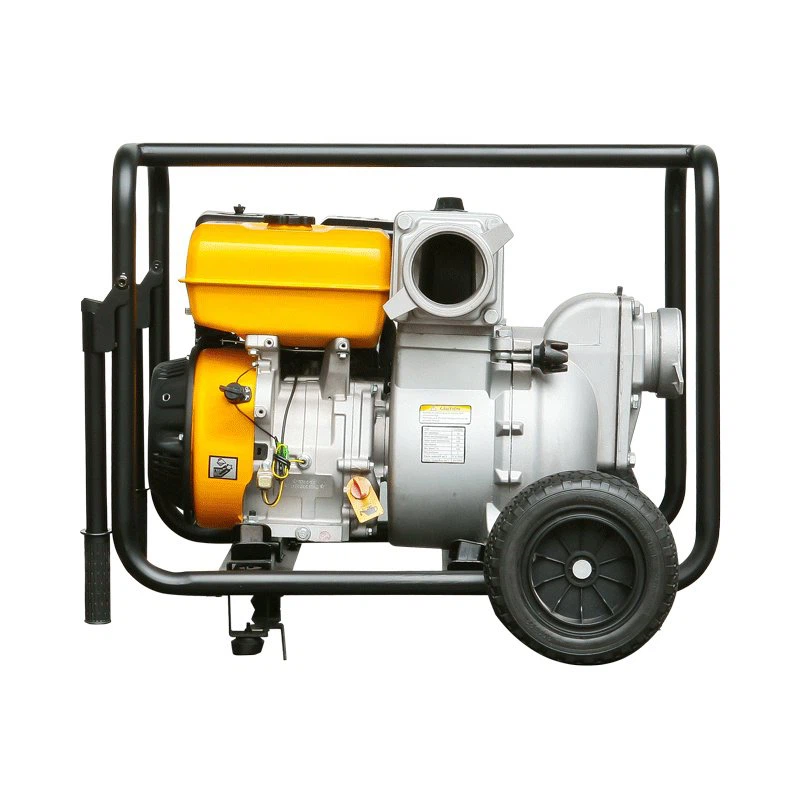
Pushing water up steep hills or across long flat fields requires serious horsepower. The Gasoline High-Lift Water Pumps (YB Series) tackle extreme elevations and heavy irrigation jobs without stalling out under the pressure.
Highlighting Gasoline Clean Water Pumps
For moving large volumes of clear liquid quickly from a flooded basement or filling a giant storage tank fast, the Gasoline Clean Water Pumps (ZB Series) get the job done without overcomplicating the setup.
How Do You Maintain New Equipment?
Buying good machinery is only step one. Keeping it running smoothly year after year requires just a little routine care. Simple neglect usually causes the vast majority of expensive mechanical failures.
Conducting Regular System Inspections
Check the rubber seals for tiny drips every month. Listen for weird grinding noises when the motor starts up. Fixing small leaks now prevents having to buy a totally new unit later.
Discovering More from About Us
Knowing the manufacturing background behind your tools gives you peace of mind. Check the About Us page for details on factory testing standards and the engineering history of the machinery.
FAQ
Q1: How often do you need to prime a well pump?
A: You only need to do it when the system loses suction due to a tiny pipe leak, a sudden power outage, or during the initial installation of a brand new unit.
Q2: Can a submersible pump run dry?
A: No, running dry ruins the internal motor very quickly because it relies entirely on the surrounding cold underground water to keep its electrical components from overheating and melting.
Q3: Why does the pump lose its prime overnight?
A: A failing underground foot valve or a very tiny air leak in the drop pipe usually causes the trapped liquid to slip back down into the earth while you sleep.
Q4: Does boiling water help prime a frozen pump?
A: Never pour boiling water into cold machinery. The sudden temperature shock can easily crack cold cast iron housings. Thaw frozen pipes slowly with a heat lamp or a hairdryer instead.
Q5: What size water removal pump is best for a flooded yard?
A: A gas-powered trash or clean water unit pushing at least 50 gallons per minute clears standing mud and water out of a yard much faster than a standard electric shop vacuum.
