


How to Choose & Use Fuel System Cleaners for Gasoline Engines (Complete Maintenance Guide)
Keeping your heavy-duty jobsite machines running well starts with clean gas flow. Picking the right fuel system cleaner for gasoline engines stops expensive work delays and helps your equipment last much longer. Whether you want a specialized fuel injector cleaner for gasoline engines or an all-in-one fuel additive for gasoline engines, regular liquid maintenance guards every small gasoline engine in your fleet against early wear and tear. When you need tough machines built for rough job sites, LongdoGlobal acts as your reliable sourcing partner in China. Set up back in 2010, this company focuses on petrol-powered tools, giving you flexible minimum order quantities and mixed container shipping across more than 50 countries. If you match a strong power unit like the Motor de gasolina R210 with good fuel care, your plate compactors, water pumps, and portable generators will fire up on the very first pull every morning.

Why Do Small Gasoline Engines Need a Fuel System Cleaner Regularly?
Every small gasoline engine works under heavy heat and physical strain on dusty building sites and outdoor yards. As the hours add up, standard pump gas leaves behind tiny sticky bits that block both air and fuel from moving freely. Cleaning out this internal grime early saves you from paying for big workshop repairs, and it keeps your machines working at full strength all day long.
Carbon Deposits Reduce Engine Power and Efficiency
Burning gas naturally leaves hard black carbon on intake valves, piston tops, and cylinder heads. Research from the U.S. Department of Energy and SAE International shows that thick carbon layers inside an internal combustion engine can cut fuel efficiency by 4% to 8% while also messing up compression ratios. Because these dry, sponge-like deposits soak up raw gas during cold morning starts, your equipos de construcción will often shake at idle, stumble when you hit the throttle, and lose pushing power under heavy workloads.
Ethanol Fuel Causes Moisture Buildup and Corrosion
Most regular gas sold at the pump today holds up to 10% ethanol (E10), and this alcohol easily pulls water vapor straight out of the air. Data from the U.S. Environmental Protection Agency (EPA) points out that phase separation happens once ethanol-blended gas takes in just 0.5% water by volume, which sends a sour water-and-alcohol mix sinking to the bottom of your tank. Pouring in a proven fuel additive for gasoline engines locks up this loose water and keeps internal aluminum, brass, and steel parts inside your equipamiento de jardín y exterior safe from pitted rust.
Gum and Varnish Clog Delicate Fuel Passages
Unleaded gas starts breaking down and going sour within just 30 days after leaving the refinery, turning into sticky gum and dark brown varnish inside your fuel lines. Small four-stroke motors depend on tiny, hair-thin brass tubes to measure out fuel drops properly. Once thick varnish coats these narrow jets, your motor will hunt for speed, die without warning, or simply refuse to turn over at all.
What Is the Difference between a Carburetor and a Fuel Injector Cleaner?
Looking closely at carburetor vs fuel injector upkeep needs helps you buy the exact liquid cleaner your specific machines actually call for. Even though both setups mix gas and air together to make power, they run at totally different fluid pressures and need their own kind of cleaning treatment. The table below breaks down how these common liquid treatments work across different motor parts:
| Treatment Type | Primary Target Area | Active Operating Pressure | Recommended Maintenance Interval | Average Efficiency Recovery |
| Fuel Injector Cleaner | High-pressure electronic nozzles | 40 to 2,000+ PSI | Every 3,000 miles or 100 operating hours | 3.5% to 6.0% fuel savings |
| Complete Fuel System Cleaner | Carburetor jets, intake valves, and pistons | 3 to 60 PSI | Every 50 to 100 operating hours | 4.0% to 8.5% power restoration |
| Fuel Stabilizer Additive | Fuel tank and rubber supply lines | Ambient tank pressure | Before any storage exceeding 30 days | Prevents 95% of gum oxidation |
Fuel Injector Cleaners Target High-Pressure Nozzles
A focused fuel injector cleaner for gasoline engines goes straight after tiny nozzle tips that spray fuel mist under high pressure. Even a tiny 5% blockage at the tip ruins that fine mist pattern, which leads to wasted unburned gas and dirty black exhaust smoke. These strong cleaners melt away baked-on carbon right at the injector tip so the spray stays even.
Complete Fuel System Cleaners Protect Carburetors and Valves
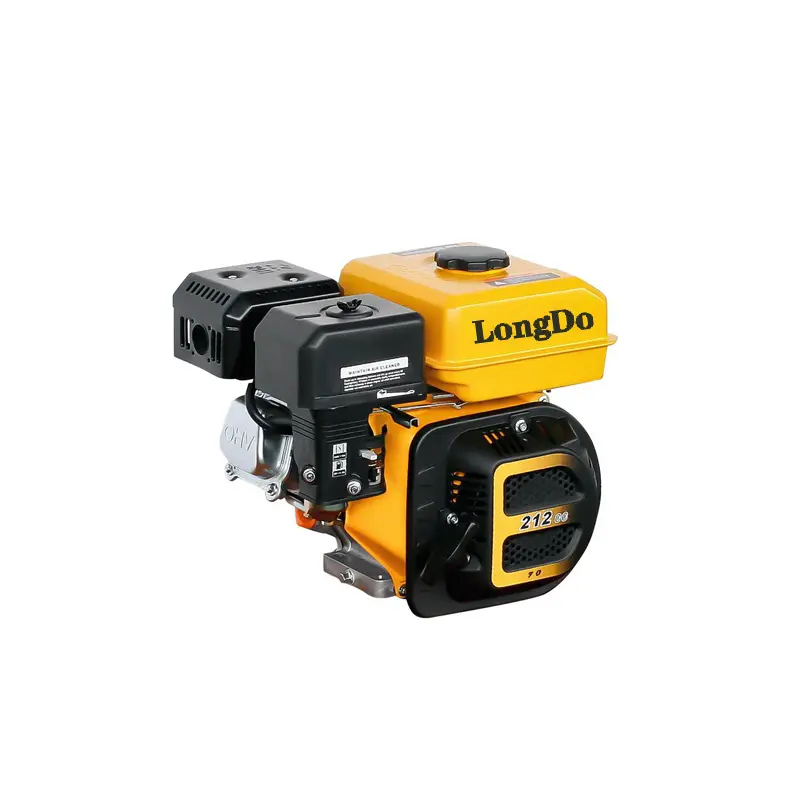
Most portable jobsite tools, like plate compactors and trash pumps driven by the Motor de gasolina R210, use mechanical carburetors instead of electronic fuel injectors. Picking a full fuel system cleaner for gasoline engines washes out the carburetor float bowl, main jets, intake valves, and firing chambers all at the same time. This complete wash keeps gas moving smoothly through the whole four cycle engine layout without any hiccups.
Fuel Additives Prevent Oxidation during Seasonal Storage
When you pack away seasonal gear like snow throwers or lawn mowers for the winter, a stabilizing fuel additive for gasoline engines slows down fuel rot. Mixing in a stabilizer keeps gas fresh in the tank for up to 12 months, which protects your workshop and professional tools as well as your outdoor machines while they sit in the shed.
How Can You Choose the Best Fuel Additive for Gasoline Engines?
Walking down an auto parts or contractor supply aisle shows you dozens of bright bottles promising quick horsepower gains. Instead of falling for flashy labels, you can pick the best fuel additive for gasoline engines by checking the active chemical list, motor type, and factory build quality.
Polyetheramine Chemistry Dissolves Stubborn Carbon Effectively
Polyetheramine (PEA) is the top cleaning agent trusted by shop mechanics and engine builders around the world. While cheap solvent cleaners burn up before they ever touch the cylinder head, PEA stays active through firing temperatures above 600°F (315°C) so it can melt away hard carbon on intake valves and piston crowns. Lab tests show that PEA cleaners strip away up to 82% of valve grime after running just one treated tank of gas.
Engine Application Determines the Required Formula
You should always check that the bottle you grab is safe for air-cooled, four-stroke utility motors. Stay away from harsh, alcohol-heavy fluids because they dry out soft rubber gaskets, float needles, and fuel hoses inside a small gasoline engine. Instead, pick alcohol-free bottles that blend in upper-cylinder oils to cut down on metal rubbing along the cylinder walls.
Quality Engines Pair Best with Certified Maintenance Products
Liquid cleaners do their best job when your base machine is built to strict global quality rules from day one. As you can see on the LongdoGlobal about us page, all of their petrol-powered machines carry ISO 9001, EPA, CE, and GS approvals. Putting certified hardware together with good PEA cleaners gives you clean exhaust and years of trouble-free work on any project site.
How Do You Use a Fuel System Cleaner in Your Gasoline Engine Properly?
Pouring a fuel system cleaner for gasoline engines into your equipment only takes a couple of minutes, yet doing it in the right order gives the liquid much better contact with internal dirt. Mixing the wrong amount can either water down the cleaning strength or wet-foul your spark plugs.
Check the Fuel Tank Capacity and Mixing Ratio
Read the back of the bottle to find the exact ounce-per-gallon mix ratio before you crack the cap open. Most commercial cleaners ask for 1 ounce of liquid for every 3 to 5 gallons of gas. Since a standard small gasoline engine usually holds between 0.9 and 1.5 gallons (3.6 to 6.0 liters) of fuel, you only need a small, measured splash to treat a full tank safely.
Pour the Cleaner before Filling with Fresh Gasoline
Let your machine run until the gas tank is almost empty before you start the cleaning treatment. Pour your measured dose of cleaner straight into the empty tank first, and then fill it up the rest of the way with fresh, clean unleaded gas. That rushing stream of fresh gas naturally stirs and blends the cleaner all through the tank, so you never have to shake the machine by hand.
Run the Engine under Normal Load for Full Circulation
Pull the starter rope and run the machine under its normal working load for at least 15 to 20 minutes. Letting the motor de gasolina work hard pulls the treated gas through the carburetor bowls, wets the intake valves, and builds up enough heat inside the cylinder head for the PEA cleaners to do their job.
Why Is the Gasoline Engine R210 Ideal for Construction and Outdoor Machinery?
Even the best fuel care habit cannot save a cheaply built motor from breaking down on the job. Fitting your equipment with the Motor de gasolina R210 gives your crew a tough, gas-saving power unit made for long commercial workdays. The table below lists the main factory specs that make this model a top pick for equipment buyers worldwide:
| Technical Parameter | Specification Details | Operational Benefit |
| Tipo de motor | 4-Stroke, OHV, Single Cylinder, Air-Cooled | Runs cooler with lower carbon accumulation |
| Desplazamiento | 212 cc | High torque output for heavy industrial loads |
| Rated Power Output | 7.0 HP / 3,600 RPM | Steady power for compactors, pumps, and tillers |
| Capacidad del depósito de combustible | 3.6 Liters (0.95 Gallons) | Extended runtime between jobsite refuelings |
| Quality Certifications | EPA, CE, GS, and ISO 9001 Compliant | Meets strict global import and emission rules |
High-Torque Overhead Valve Design Ensures Fuel Efficiency
El Motor de gasolina R210 uses a smart Overhead Valve (OHV) layout that improves air movement and fuel misting across all four strokes of an engine. Because the valves sit right above the firing chamber, this motor gets a tight compression ratio, burns less motor oil, and leaves behind far less raw carbon than old-style side-valve designs.
Versatile Compatibility Powers Diverse Jobsite Equipment
Thanks to its standard horizontal shaft and bolt-on base plate, the R210 works as an easy drop-in replacement motor across many kinds of machines. You can bolt it onto trench rammers, concrete power trowels, and plate compactors in your equipos de construcción fleet, or hook it up to water pumps, garden tillers, and wood chippers across your equipamiento de jardín y exterior stock.
Reliable One-Stop Sourcing Simplifies Global Procurement
Dealing with ten different small factories slows down your buying process and drives up ocean freight bills. When you use the all-in-one LongdoGlobal service program, you can pack R210 motors, portable generators, and shop tools into one shared shipping container with low MOQs. You can also check out their latest company news to read about new tool launches, international trade shows, and smart ways to cut your container shipping costs.
What Should You Avoid When Cleaning a Small Gasoline Engine Fuel System?
Stopping simple mistakes while cleaning your fuel system matters just as much as washing out the carbon itself. Staying away from common shop errors keeps your carburetor rubber soft and protects your factory warranty.
Never Mix Diesel Cleaners into a Gasoline Tank
Crew members who take care of mixed truck and tool fleets often ask what happens if you put gasoline in a diesel engine or mix up their additive bottles by mistake. Diesel additives carry cetane boosters and thick oils made for heavy compression firing, while gas motors need a clean spark from a plug. Dumping diesel cleaner into a motor de gasolina drops the octane rating, causes loud metal knocking, and leaves sticky oil all over your spark plugs.
Do Not Ignore Routine Air Filter and Spark Plug Checks
Pouring a fuel system cleaner for gasoline engines into your gas tank will never fix a dirty air filter or a dead spark plug. A dust-packed paper or foam air filter chokes off oxygen, which forces the motor to run too rich and quickly coats the cylinder walls with fresh black soot. Always check your air filter, crankcase oil level, and spark plug gap every 50 working hours right alongside your fuel cleaner routine. Are you ready to upgrade your equipment lineup with certified, gas-saving motors? Reach out to LongdoGlobal today to get a free price quote on the Motor de gasolina R210 and make your machinery buying much easier.
Preguntas frecuentes
Q1: How often should you use a fuel system cleaner in a small gasoline engine?
A: You should pour in a fuel system cleaner every 50 to 100 working hours, or at the start and end of each busy season, so carbon and sticky varnish never get a chance to build up inside the carburetor or cylinder head.
Q2: What should you do before starting an inboard gasoline engine or portable utility motor after storage?
A: Before you crank the motor over, check the rubber fuel hoses for dry cracks, look at the oil dipstick, make sure the air filter is clean, air out the work area to clear away any trapped gas fumes, and fill the tank with fresh, treated gas.
Q3: Why do diesel engines sound different than gasoline engines during operation?
A: Diesel motors run at much tighter compression ratios (usually 14:1 to 23:1) and fire the fuel using extreme heat and air pressure instead of a spark plug, which makes a louder, heavier knocking noise compared to smoother gas motors.
Q4: Can a diesel engine run on gasoline or use gasoline fuel injector cleaners?
A: No, a diesel motor cannot run on regular gas or use gas-only injector cleaners. Gasoline does not have the oiliness needed to protect diesel injection pumps, and it fires way too early under high compression, which will quickly ruin the motor.
Q5: Is a fuel injector cleaner safe to use in a carbureted Engine like the R210?
A: Yes, good PEA-based fuel injector and system cleaners are totally safe for carbureted motors like the R210, because they melt away gum in the brass carburetor jets while also washing off the intake valves and piston tops.
