







How to Choose a Plate Compactor for Gravel, Pavers and Asphalt?
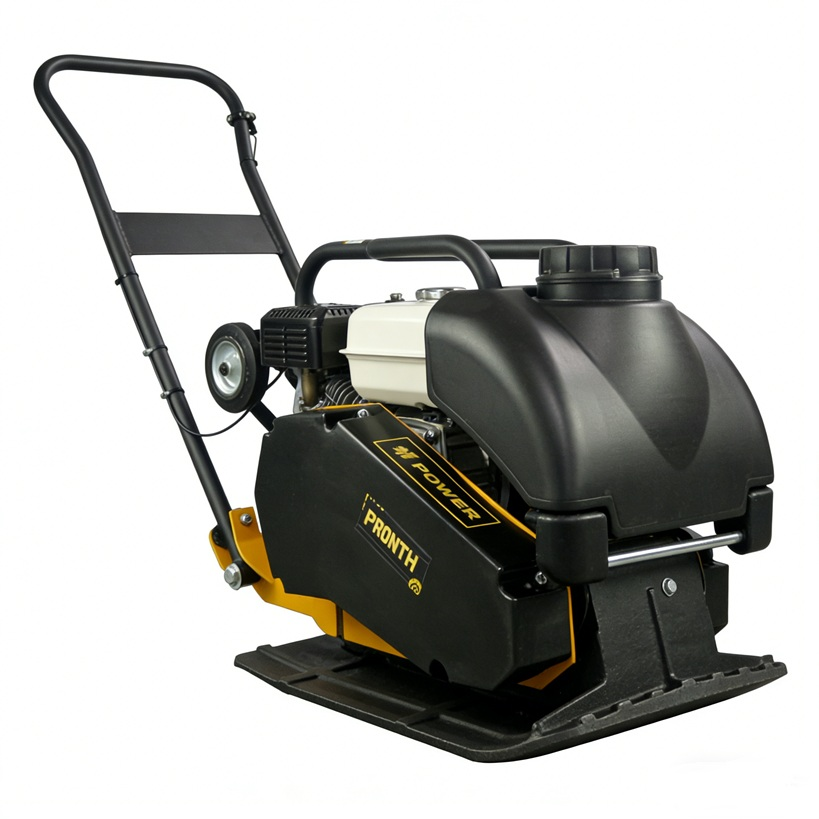
Choosing a plate compactor is not simply about buying the machine with the highest power or the heaviest body. The right choice depends on what material you are compacting, how deep the layer is, how large the work area is, and how easily you need to move the machine.
Gravel, paver bases, finished pavers, and asphalt all place different demands on a plate compactor. A machine that works well on an open gravel base may be unnecessarily difficult to control on a small paving project.
So, how do you choose the right plate compactor for your job?
What Should You Consider Before Choosing a Plate Compactor?
The main factors are material, centrifugal force, vibration frequency, plate size, operating weight, maneuverability, and water-system availability. Industry buying guides consistently recommend matching these specifications to the actual job rather than choosing by engine power alone.
Material Type
Start with the material you need to compact.
Gravel and crushed aggregate generally respond well to vibratory plate compactors because vibration helps particles settle into a denser structure. Paver base and bedding materials can also be compacted with plate compactors, while finished pavers require extra surface protection.
For asphalt, a water system is especially useful because it helps reduce material sticking to the plate during compaction.
Compaction Force and Vibration Frequency
Centrifugal force, usually listed in kN, indicates the vibration force generated by the machine. Vibration frequency, often measured in VPM, tells you how rapidly the plate vibrates.
You should consider both specifications together with machine weight and plate size. A higher number does not automatically mean better results for every application.
Plate Size and Operating Weight
A larger plate can cover more area per pass, which is useful on open surfaces. A lighter machine is generally easier to transport and maneuver around edges, corners, walkways, and smaller repair areas.
The practical goal is balance. Too small can mean more passes, while too large can make tight work harder than necessary.
What Plate Compactor Is Suitable for Gravel?
Gravel and crushed aggregate are among the most common applications for vibratory plate compactors.
Focus on Force and Coverage
For gravel base preparation, look at centrifugal force, plate coverage, operating weight, and the thickness of each layer you need to compact.
A lightweight plate may work well for smaller areas and thin layers, but deeper or larger aggregate sections can require more force and additional passes. The machine should be matched to your typical working depth rather than the maximum specification listed on the brochure.
Is the HP-C80NT Suitable for Gravel?
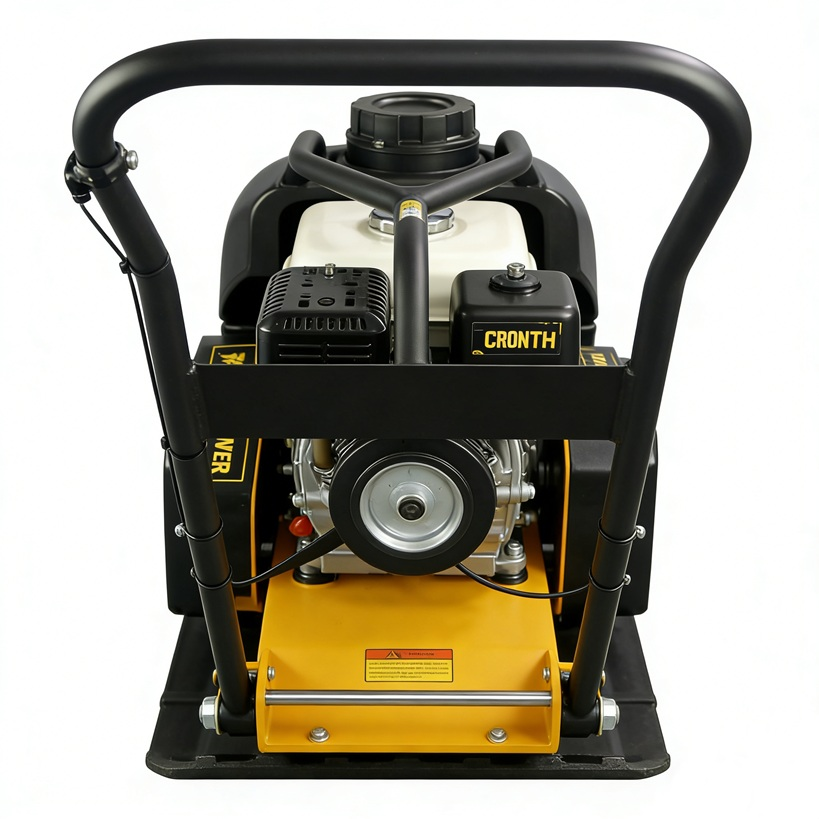
The LongdoGlobal HP-C80NT High-Force Plate Compactor is designed for granular soil and related compaction work. It provides:
| Specification | HP-C80NT |
| Centrifugal Force | 16 kN |
| Vibration Frequency | 5,000 VPM |
| Net Weight | 84 kg |
| Plate Size | 58 × 43 cm |
| Max. Travel Speed | 20 m/min |
| Water Tank | Standard |
| Power | Petrol |
These specifications give you a useful combination of compaction force, working coverage, and maneuverability for many small and medium granular-material applications.
Can You Use a Plate Compactor for Pavers?
Yes. Plate compactors are commonly used for paver base preparation and for settling installed pavers, but these are two different jobs.
Compacting the Base
Before placing pavers, you need to create a stable and evenly compacted base. A forward plate compactor can be practical for residential patios, paths, landscaping projects, and similar work.
Protecting Finished Pavers
When compacting finished pavers, surface protection becomes important. A bare steel plate can leave scratches or chips, so you should check whether a suitable rubber or polyurethane protective pad is recommended for your application. Recent industry guidance specifically highlights protective pads as an important consideration when compacting finished paving surfaces.
For paver projects with many edges, corners, and transitions, maneuverability can be more important than simply having the highest force.
Is a Plate Compactor Suitable for Asphalt?
A plate compactor can be useful for smaller asphalt repair and patching applications, provided the machine is appropriate for the material and operating conditions.
Why Does a Water Tank Matter?
Asphalt can stick to a dry vibrating plate. A water system helps create a separation between the plate and the asphalt surface, making operation easier and helping reduce material buildup.
The HP-C80NT includes a standard built-in water tank, making the configuration relevant for asphalt-related applications where a water system is required.
For larger paving projects or deeper asphalt work, however, you should select equipment based on the required compaction depth, production rate, material temperature, and site conditions rather than relying on one machine specification.
Should You Choose a Forward or Reversible Plate Compactor?
A forward plate compactor moves in one direction, while a reversible model can travel forward and backward under operator control.
When Is a Forward Plate Better?
A forward plate is often practical when you work on:
- Small and medium gravel bases
- Paver installations
- Walkways and landscaping projects
- Asphalt patches
- Areas where easy handling is important
A lighter forward design can also simplify loading, transport, and positioning.
When Do You Need a Reversible Model?
A reversible plate becomes more attractive when you regularly compact larger open areas, deeper aggregate sections, or demanding base materials. The ability to reverse without physically repositioning the machine can improve productivity on longer passes.
The decision should come from your typical workload, not from the assumption that a heavier machine is always better.
How Do You Match Plate Size and Weight to Your Job?
Think about the physical layout of your worksite.
For a large open gravel area, more coverage per pass can save time. For a narrow walkway, trench, or small asphalt repair, a more manageable machine can be easier to control.
The HP-C80NT uses a 58 × 43 cm plate and weighs 84 kg, providing a middle-ground configuration between compact handling and stronger compaction performance.
Before you buy, ask yourself:
What material do you compact most often? How thick are your typical layers? Are your jobs mostly open areas or tight spaces? How much transportation does your crew handle?
Those answers usually tell you more than engine horsepower alone.
What Common Plate Compactor Buying Mistakes Should You Avoid?
The most common mistake is selecting a machine based on one specification.
You may choose a very heavy model for a small paver project and then find it difficult to maneuver around finished surfaces. On the other hand, choosing a light unit for deep aggregate work can result in more passes and slower production.
You should also avoid ignoring protective pads for finished pavers, water-system requirements for asphalt, plate dimensions, transport needs, and lift thickness. Recent compactor guides consistently emphasize these factors because real-world performance depends on the combination of machine and application.
How Can You Choose the Right Plate Compactor?
A simple way to narrow your options is to work through this sequence:
Material → Layer Thickness → Required Force → Plate Size → Machine Weight → Maneuverability → Application-Specific Features
For gravel and granular base work, focus on sufficient force and coverage. For pavers, balance compaction performance with maneuverability and surface protection. For asphalt, pay particular attention to water-system compatibility and working conditions.
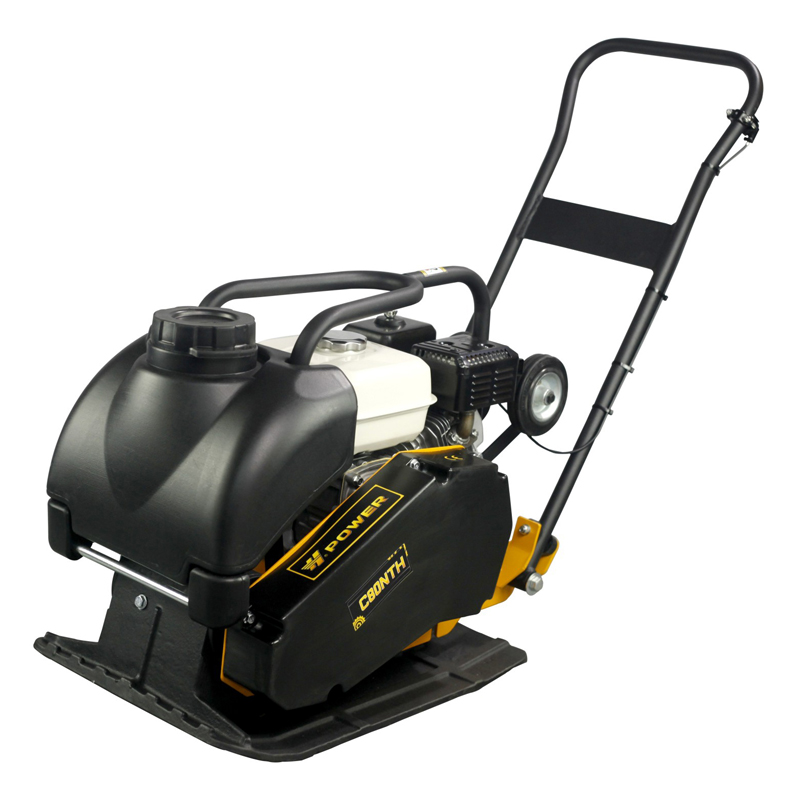
The LongdoGlobal HP-C80NT offers 16 kN centrifugal force, 5,000 VPM vibration frequency, an 84 kg operating weight, a 58 × 43 cm plate, 20 m/min maximum travel speed, and a standard water tank. These specifications make it a practical option to consider when you need a petrol plate compactor for a range of granular and selected paving applications.
For equipment sourcing, you can also explore LongdoGlobal’s construction equipment range for additional compaction solutions and compare configurations based on your project requirements. LongdoGlobal supports machinery sourcing, trial orders, global shipping, spare-parts support, and OEM options for international buyers.
FAQ
Q: What is the best plate compactor for gravel?
A: The right model depends on your gravel type, layer thickness, working area, and required compaction level. For small and medium applications, a properly sized forward plate can provide a practical balance of force and maneuverability.
Q: Can you use a plate compactor on pavers?
A: Yes. Plate compactors can be used for paver base preparation and for setting finished pavers. When working on finished pavers, use an appropriate protective pad to help reduce surface damage.
Q: How much compaction force do you need?
A: There is no single force rating that fits every project. Consider your material, layer thickness, plate size, operating weight, and job area together when selecting a machine.
