


Showing up at a messy job site after a weekend storm usually means you are looking at a lot of soft, sloppy dirt. Before you even think about ordering concrete or dropping down a single paver, you absolutely have to pack that ground tight. If you guess and grab the wrong compaction machine out of the truck, that expensive new driveway is going to settle, dip, and crack before the year is out. Honestly, it happens way more often than most concrete guys care to admit. Getting the base layer rock-solid means matching the gear to the dirt. Sometimes the job demands deep, heavy vertical hits, while other times you just want to run across the top for quick surface leveling. Teaming up with a solid supplier like LongdoGlobal takes the headache out of tracking down the right equipment. They help you get exactly what your crew needs, so you skip the overpriced local dealers and avoid those cheap engines that choke on dust by day two.
What Is the Difference Between a Gas Tamper and a Standard Compactor Plate?
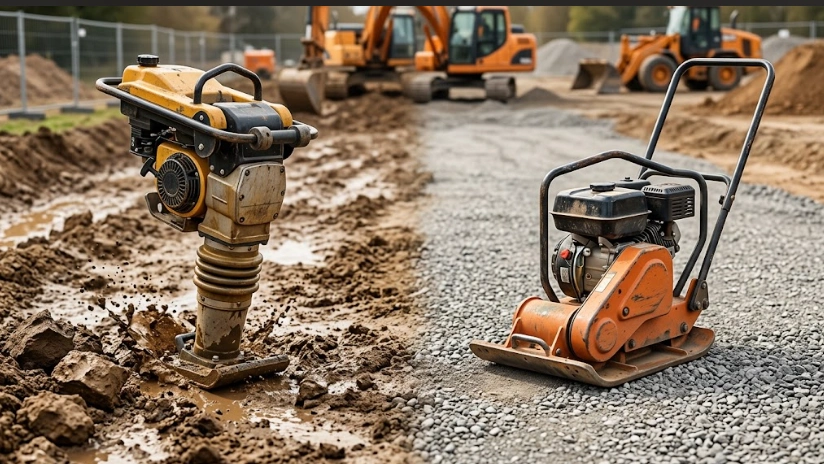
If you stroll past a municipal utility trench, you will probably hear both of these machines running at some point. They look totally different and sound completely different. While both exist just to pack dirt, they attack the ground using very distinct mechanical setups. Figuring out how each motor transfers power into the soil saves your crew a ton of wasted fuel and burnt-out shoulders.
Power Source and Core Mechanics
A gas tamper relies on a small combustion engine bolted to a piston system. As it fires, it creates a violent, bouncing action, basically slapping a heavy metal shoe down into the trench with a ton of downward force. On the other hand, a compactor plate uses its motor to spin an eccentric weight inside the housing. That fast spinning creates a high-frequency vibration, shaking the earth rapidly to settle it rather than trying to punch a hole in it.
Equipment Form and Operator Handling
The tamper stands straight up and looks kind of skinny. You have to guide it by grabbing the top handles, basically wrestling the thing as it tries to buck around the trench. To be real, running one of those jumpers for a four-hour stretch leaves your forearms totally dead. Meanwhile, a standard compactor plate has a wide, flat bottom that sits low to the ground. You just walk behind the handle and steer, letting the heavy steel base glide itself smoothly across the gravel base.
Why Should You Choose a Gas Tamper for Your Project?
Not every type of dirt plays nice. When your guys are digging down into thick clay or nasty, sticky silt, standard vibration just makes the wet earth wiggle like gelatin without actually locking it together. That is exactly when you need raw, brute force to punch the trapped air and trapped water out of the heavy mud.
High Impact Force for Deep Soil
Cohesive soils love to stick together in big, stubborn clumps. A gas tamper drops onto the ground with enough focused, driving energy to shatter those clods and force the material into a dense, solid block. Because all that engine power goes straight down into a small foot, it can effectively pack layers of dirt down to roughly 24 inches deep on a single pass, which is a huge timesaver for utility guys.
Superior Mobility in Tight Spaces
Go ahead and try shoving a wide vibratory plate into a narrow two-foot plumbing trench. It just does not physically fit. A tamper solves this because it has a really tiny footprint, mostly around 10 to 12 inches across. You can easily drop it down into deep storm drain trenches, work it tight against freshly poured foundation walls, or carefully pack the backfill around fragile PVC pipes without smashing them.
When Does a Standard Compactor Plate Perform Best?
If you are staring at a massive, wide-open parking lot base, trying to use an upright jumper will take you a month and leave the grading looking like a cratered mess. For big driveways and sprawling open lots, you need wide footprint coverage and fast travel speed. This is why smart crews always keep good construction equipment on the trailer to keep the day moving.
Ideal Choice for Large Surface Areas
Materials like crushed gravel, road base, sand, and mixed granular dirt react beautifully to steady vibration. The buzzing motion of the flat bottom forces all those tiny rock fragments and sand grains to shift, fall down, and lock tightly into all the empty air pockets. Because the base is wide, you cover a lot of square footage every minute, letting you wrap up massive commercial jobs surprisingly fast.
Smoother Finishes on Asphalt and Paving
When your guys are patching a pothole or rolling out hot asphalt for a cart path, the goal is a slick, glassy finish. A heavy vibrating plate irons out the blacktop perfectly, leaving a clean top layer without stamping deep, ugly craters into the fresh mix.
| Feature | Gas Tamper (Jumping Jack) | Standard Compactor Plate |
| Best Soil Type | Cohesive (Clay, Sticky Silt) | Granular (Sand, Gravel, Asphalt) |
| Depth Per Pass | 12 to 24 inches | 6 to 12 inches |
| Machine Motion | Heavy vertical jumping | High-frequency ground vibration |
| Best Job Site | Narrow trenches, deep pipes | Wide driveways, flat concrete prep |
How Does the LongdoGlobal HP-C60 Petrol Plate Compactor Stand Out?
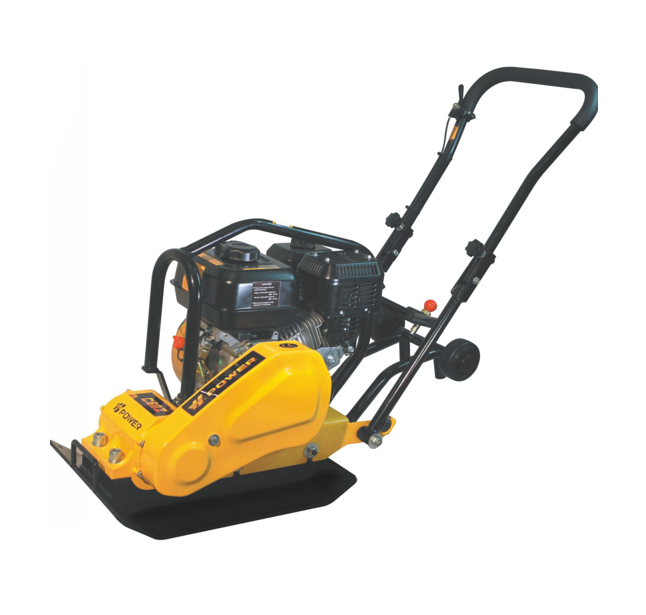
Honestly, finding a piece of iron that fires up on the first pull on a freezing November morning is half the battle in this industry. You want gear that hits hard but does not bleed your wallet dry with constant shop repairs. The HP-C60 Standard Petrol Plate Compactor really hits the sweet spot for the heavy daily grind.
Reliable Engine and High Compaction Force
This specific unit rocks a tough petrol engine that was clearly built to survive awful, dusty job sites. It ramps the exciter up to high RPMs, driving a massive amount of centrifugal force straight down into the road base. You get steady, predictable power from the minute you pull the recoil rope until you shut it down for lunch.
Durable Base Plate for Extended Use
Scraping over sharp granite rocks and jagged concrete edges will chew up a cheap metal base in a few weeks. The HP-C60 runs a highly wear-resistant bottom plate meant to take an absolute beating. You can drag this thing across nasty, rough aggregate day after day without sweating about it cracking in half or wearing paper-thin.
Cost-Effective Choice for Contractors
Keeping your overhead down is the only way a construction business survives. This model hands you professional-grade compaction without the crazy markups you see at the big-name local dealers. You get the grading done right on the first try, which keeps more profit in your bank account to cover payroll and diesel.
How Do You Match the Right Compaction Machine to Your Job Site?
Taking a walk around the site before anyone unloads the trailer is always a smart habit. Kick the dirt to see what you are working with, and pace out the width of the trenches. Pairing the machine directly to the physical state of the mud is the only real way to stop future sinkholes from ruining your reputation.
Trench Work and Narrow Foundation Repair
If you find yourself standing down in a muddy ditch or dealing with sticky, wet clay, grab the gas tamper. Those focused, heavy hits will punch the moisture right out of the deep soil lifts, something a flat vibratory unit would just skip right over.
Driveways, Patios, and Flat Landscaping
For screeding out a stone walkway base or packing a huge residential driveway, the flat compactor plate is your best friend. It pairs up perfectly with your other garden outdoor equipment to press down a completely flat, level base for expensive brick pavers or poured concrete slabs.
Why Is LongdoGlobal Your Trusted Construction Equipment Supplier?
Dropping cash on heavy machinery over the internet feels risky if you do not know the folks running the store. You really need a vendor who knows the dirt game and backs up the iron they sell, instead of a random drop-shipper just moving cardboard boxes. Browsing their About Us page shows they actually care about the trades.
Comprehensive Construction Machinery Solutions
These guys do not just peddle one style of packer. They offer a huge lineup of machines meant to tackle very specific site headaches. You can check out their newest product drops and industry advice over in their news section to figure out what fits your next big contract bid.
Dedicated Customer Service and Workshop Tools
Gear breaks down out there. It is just the reality of moving dirt. Having a direct line to solid service saves your week when you desperately need replacement parts or just some quick troubleshooting over the phone. They also sell workshop professional tools so your guys can wrench on the fleet in your own yard, keeping your downtime as close to zero as possible.
FAQ
Q1: Can I use a gas tamper on asphalt or paving stones?
A: No, that machine hits way too hard for delicate top layers. If you run a jumper on asphalt or brittle paving stones, it will quickly crack the material or stamp deep, ugly holes into the finish. A flat plate is the only acceptable tool for smoothing out those flat surfaces.
Q2: Which compaction machine is better for cohesive clay soils?
A: For sticky dirt like heavy clay or wet silt, a gas tamper is always the better move. Its aggressive jumping action creates the intense, concentrated force you need to squeeze trapped water out of sticky mud, while a flat plate just bounces around harmlessly on top.
Q3: How deep can a standard compactor plate effectively compact?
A: A flat plate usually handles about 6 to 12 inches of loose material per pass. This changes depending on how heavy the machine is and exactly what kind of gravel you bought. If you need to go deeper, you just have to work in thinner, separate layers.
