







How to Prime a Gas Water Pump for Dirty Water (Step-by-Step Guide)
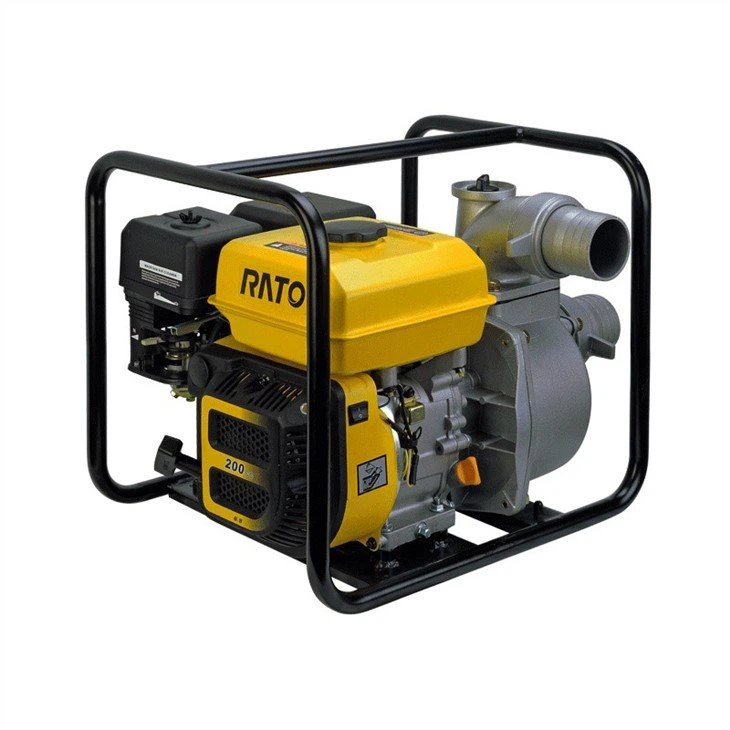
To prime a gas water pump for dirty water, you must first fill the pump casing with clean water, secure the suction hose tightly to prevent air leaks, and check the strainer before starting the engine. If you are dealing with mud and debris on a construction site, establishing a proper vacuum is critical for your engine water pump to function efficiently.
Why Priming is Difficult When Pumping Mud and Slurry
Pumping clear water is a straightforward process, but moving mud and slurry presents unique challenges. When pumping dirty water, hard solids, sand, and debris can easily disrupt the vacuum inside the pump casing.
If a water pump fails to maintain this vacuum, it cannot draw water up the suction hose. In emergency drainage situations or active construction sites, repeatedly failing to prime your pump leads to costly downtime and frustrating project delays.
4 Steps to Prime a Gas Water Pump for Dirty Water
Follow these four simple steps to successfully prime your heavy-duty gas water pump and start clearing out dirty water quickly.
- Inspect the Suction Hose and Strainer: Before doing anything, ensure your strainer is not clogged with large debris or mud. A clear pathway is essential. Check the suction hose for any cracks or loose fittings, as air leaks will permanently prevent the pump from pulling water.
- Fill the Pump Casing: Never run your pump dry. Remove the priming plug at the top of the water pump and fill the main casing with water until it reaches the very top. This water acts as a seal for the impeller, allowing it to create the necessary vacuum.
- Secure All Connections: Tighten the priming plug and ensure the suction hose is firmly connected to the pump inlet. Even a tiny air leak can stop the pump from lifting dirty water from a trench or pit.
- Start the Engine and Wait for Suction: Turn on your engine water pump. It may take a few minutes for the pump to expel the remaining air in the suction line and establish a strong, steady flow of dirty water.
Skip the Hassle: Why Self-Priming Gasoline Slurry Pumps Are the Ultimate Solution
While knowing how to prime a pump is a necessary skill, dealing with constant clogs and lost suction in the field is inefficient. For emergency road repairs and construction dewatering, relying on standard clear-water equipment often falls short.
Instead of fighting with your equipment, upgrading to industrial-grade gasoline slurry pumps designed specifically for the toughest dewatering jobs is the most cost-effective solution.
Engineered for the Toughest Dewatering Jobs (NB Series Features)
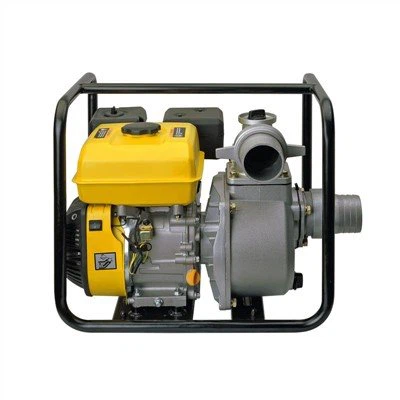
ال لونغدو جلوبال NB Series are heavy-duty gasoline slurry pumps built to handle extreme conditions where standard pumps fail. Here is why they are the standard for professional dewatering:
- Robust & Self-Priming: The NB series features a reliable 7m suction head lift. Its simple, durable structure guarantees reliable self-priming, meaning less time setting up and more time pumping. It also ensures easy maintenance and low vibration during operation.
- أداء عالي الكفاءة: Built to aggressively pump mud, slurry, and dirty water containing up to 50% “hardenite” solids. They are perfect for demanding construction operations and emergency road repairs.
- محرك رباعي الأشواط قوي: Equipped with highly reliable R270 / R390 engines (6.0kw – 8.2kw), these pumps deliver strong, consistent power while maintaining low fuel consumption to keep your operational costs down.
- High Capacity Options: متوفر في كلا 3-inch (60m³/h) و 4-inch (100m³/h) models, allowing you to move massive volumes of dirty water quickly and efficiently.
When your construction site is flooded with mud and debris, you need a machine that works as hard as you do. Stop struggling with inefficient equipment that requires constant priming and maintenance. Explore the heavy-duty power of our مضخات ملاط البنزين (سلسلة NB) today and ensure your emergency drainage operations run smoothly without interruption.
الأسئلة الشائعة
Q: Can a regular water pump handle mud and hard solids?
A: No. Standard clear water pumps have tight impeller clearances that will be quickly destroyed by gravel and debris. You must use a dedicated slurry pump or trash pump designed to pass solid materials without damaging the engine.
Q: How deep can a gas water pump pull water from?
A: Most high-quality centrifugal models offer a maximum 7m suction head lift. Attempting to pull water from deeper than 7 meters without a specialized submersible pump will result in a complete loss of suction.
