







How to Grind Concrete Floors: A Step-by-Step DIY Guide for Beginners
Getting a concrete floor ready for a new look is a big job. You might walk into a garage project thinking it will take two hours, only to spot thick yellow glue from some old linoleum tiles laid down decades ago. Prepping the surface is where the real work happens. If you want a smooth epoxy finish or a flat surface for hardwood, you have to grind the concrete. This guide will walk you through the entire process. Sourcing the right tools makes a huge difference, which is why checking out LongdoGlobal can give you a solid idea of what professional-grade machinery looks like before you start throwing dust everywhere.
When Is Concrete Floor Grinding Required Before Floor Coverings?
Skipping the prep work is a fast way to ruin a brand new floor. Paint peels up and tiles crack when the base underneath is full of bumps and old junk. You have to create a clean slate so the new material actually sticks.
Surface Leveling and Smoothing Process
High spots in the cement make it impossible to lay rigid flooring like tile or laminate properly. Grinding knocks down those uneven peaks and gives you a flat canvas. It fixes minor sloping issues and removes the rough texture left behind by poor troweling jobs during the original pour.
Old Coating and Epoxy Removal
Old paint, thick epoxy layers, and carpet glue refuse to come off with just a scraper. A heavy grinder cuts right through those stubborn coatings. Chemical strippers are messy and toxic, making mechanical grinding the fastest and cleanest method to expose the bare concrete underneath.
Industrial Floor Preparation Standards
Professionals use specific measurements to judge how rough a floor needs to be. This is called the Concrete Surface Profile. The table below shows the standard industry data for different floor coverings.
| Concrete Surface Profile | Required Prep Method | Ideal Floor Covering Application |
| CSP 1 to 2 | Light Grinding | Thin sealers and thin-film coatings |
| CSP 3 to 4 | Medium Grinding | High-build epoxies and self-leveling floors |
| CSP 5 to 6 | Heavy Grinding | Polymer overlays and thick cement toppings |
How Do You Choose the Right Equipment for Your Project?
You would not use a toothbrush to scrub a whole driveway. Picking the right machine size keeps you from wasting days on a job that should take hours. The choice mostly comes down to the square footage of the room and the power source you have available.
Hand Held Cement Grinder Applications
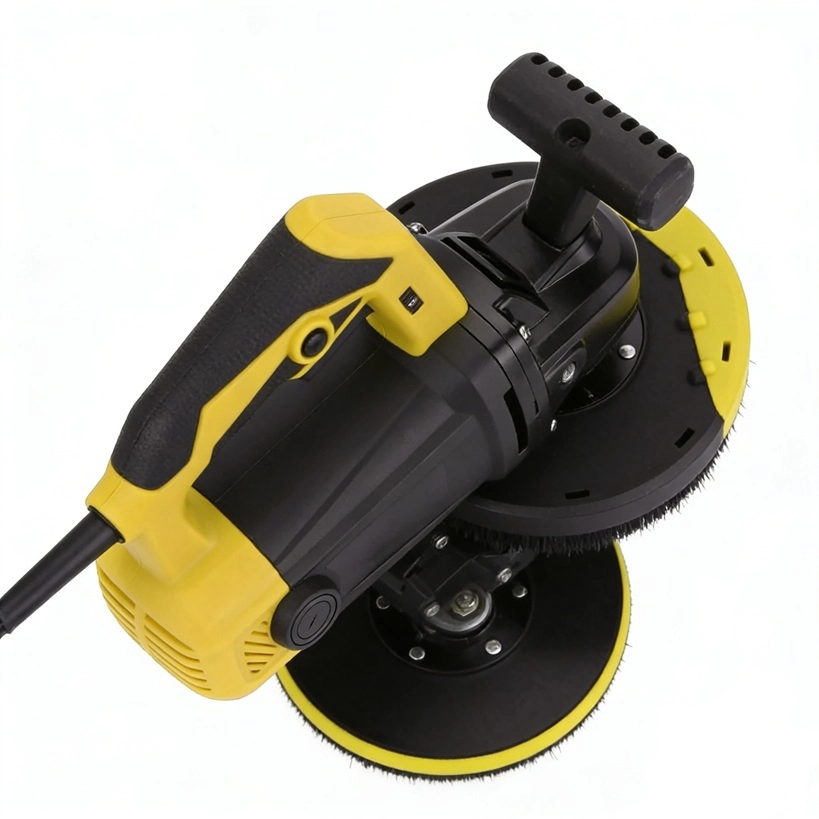
Small rooms, tight corners, and staircases need a small tool. A hand held cement grinder is perfect for edge work where a large machine simply cannot reach. They run on standard wall outlets and are easy to maneuver, though they get heavy if you use them on your hands and knees all day.
Walk-Behind Concrete Floor Grinding Equipment
For a standard two-car garage or a big basement, you need to push a heavier machine. Walk-behind concrete floor grinding equipment takes the backbreaking labor out of the job. They cover a wide path and the sheer weight of the machine pushes the diamonds down into the hard surface. If you are doing serious contracting work, browsing معدات البناء options shows you just how big these machines can get.
LongdoGlobal Concrete Grinder C7230 Advantages
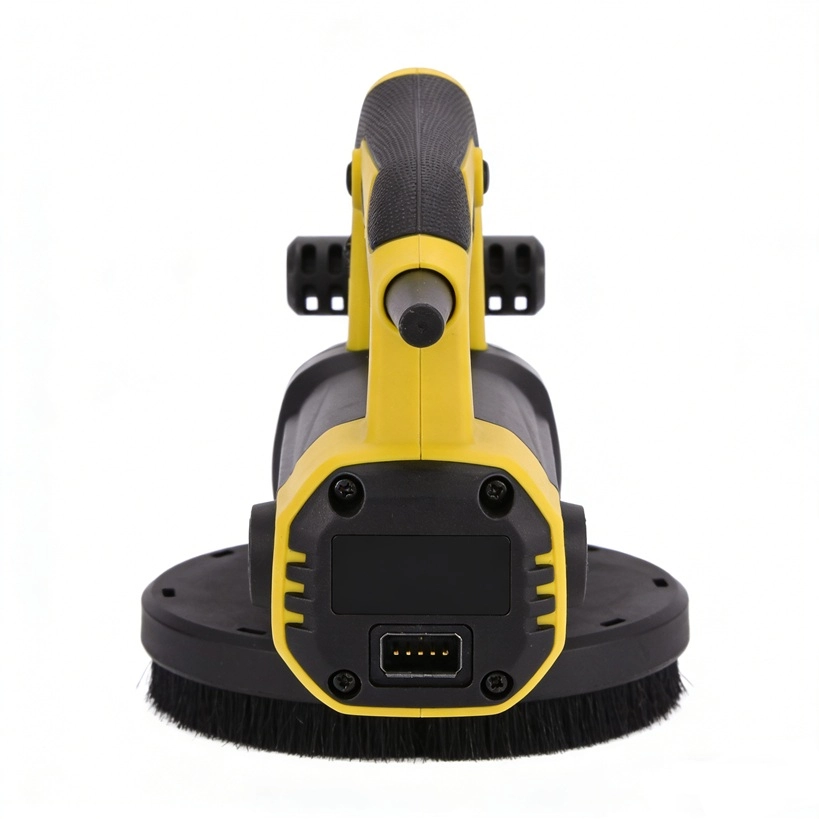
When you want serious power without a massive learning curve, the مطحنة الخرسانة C7230 hits the sweet spot. It features a wide grinding path that cuts down your work time significantly. The control handle is comfortable, making it easy to steer around obstacles. It packs enough motor strength to chew through tough old epoxy, making it a great pick for both beginners renting gear and pros working every day.
What Safety Gear and Accessories Do You Need?
Concrete dust is not just messy, it is incredibly bad for your lungs. Silica dust gets absolutely everywhere. It sticks to your hair, ruins your clothes, and coats your entire house if you are not careful. Safety is mandatory here.
Essential Personal Protective Equipment
Never start the motor without a proper respirator mask. A simple paper mask will not cut it. You need a mask rated for fine silica dust. Put on clear safety goggles to block flying chips of stone, and wear thick ear protection because these machines scream when they hit hard aggregate.
Industrial Dust Collection Systems
You have to attach a heavy-duty vacuum directly to the grinder. A regular shop vacuum filter will clog in about three minutes. You need an industrial dust extractor with an automatic filter shaker. Dustless grinding keeps the room clear so you can actually see the floor you are working on.
Suitable Concrete Grinding Wheel Selections
The metal discs on the bottom of the machine are covered in industrial diamonds. You start with a coarse 30 grit metal bond diamond wheel to rip up the old floor. After the heavy material is gone, you switch to a 60 grit or 120 grit wheel to smooth out the scratches.
How Do You Grind a Concrete Floor Safely and Efficiently?
Turning the machine on for the first time is a little intimidating. The grinder will pull to the side if you are not holding on tight. It takes a few minutes to get a feel for how the machine glides over the slab.
Initial Surface Cleaning and Assessment
Sweep the entire floor twice. Look closely for anchor bolts, rogue screws, or thick metal pieces sticking up from the cement. Hitting a steel bolt will destroy a brand new diamond disc instantly and send metal flying.
First Pass Rough Grinding Technique
Start the machine tilted slightly back, then lower the grinding head onto the floor. Keep the machine moving constantly in a sweeping side-to-side motion. If you let it sit in one spot while running, it will dig a permanent bowl into your floor. Work in small sections, maybe a five by five foot square at a time.
Final Polishing and Finishing Touches
Once the ugly top layer is gone and the pores of the cement are open, sweep the floor again. Swap out your aggressive rough diamonds for a finer grit. Run the machine over the whole area one last time at a slightly faster walking pace to blend out any circular scratch marks.
How Do You Maintain the Machine After Concrete Grinding?
Taking care of the gear saves money. If you return a dirty machine to a rental yard, they charge a cleaning fee. If you own the equipment, skipping maintenance just leads to expensive motor repairs. Learning about proper tool care from sources like the عننا page of industrial manufacturers shows that pros treat their gear like gold.
Diamond Tool and Wheel Inspection
Flip the machine back and look at the diamond segments. Check for uneven wear or missing chunks of metal. If the diamonds are totally flat and glazed over, they will not cut anymore and need to be replaced before the next job.
Dust Filter Cleaning Procedures
Disconnect the vacuum hose and empty the dust bin into a heavy trash bag. Pull out the primary filter and tap it gently against the inside of a trash can to knock the caked-on dust loose. Reading up on equipment care on a أخبار blog can give you clever tricks for keeping filters alive longer.
LongdoGlobal Equipment Care Guidelines
Wipe down the power cord and check it for any slices or exposed copper wires. Blow off the motor housing with compressed air so it doesn’t overheat next time you use it. If you hear weird bearing noises from the gearbox, it is smart to reach out to a professional الخدمة team before it breaks entirely.
الأسئلة الشائعة
Q1: Can you grind a concrete floor with a regular hand sander?
A: No, standard woodworking sanders lack the weight and diamond abrasive power needed to scratch concrete. It will just destroy the sandpaper instantly.
Q2: How long does it take to grind a two-car garage?
A: With a proper walk-behind machine and decent power, it usually takes four to six hours of actual grinding time, depending on how thick the old coating is.
Q3: Does grinding concrete create a lot of dust?
A: Yes, it creates massive amounts of silica dust. Using a high-quality industrial dust extractor attached directly to the machine captures about ninety-five percent of it.
Q4: Do you grind concrete wet or dry?
A: You can do both. Dry grinding is more common for small indoor jobs because it is less messy to clean up, while wet grinding keeps dust down but leaves a thick mud slurry you have to shovel up.
Q5: When should you hire a professional instead of doing it yourself?
A: If the floor is severely cracked, unlevel by several inches, or larger than a couple of thousand square feet, bringing in a heavy-duty crew saves time and saves your back from serious pain.
