







Preparing a solid base makes or breaks a paving project. If the ground settles months later, the concrete surface cracks and ruins the whole job. Finding a reliable compactor plate takes some serious digging through spec sheets and sales pitches. As a professional sourcing hub, LongdoGlobal provides solid machinery built for demanding site conditions. You will soon see what makes a machine truly worth the money, looking closely at impact force, plate size, and engine durability.
What Are the Top Compactor Plates for Different Projects?
Not every job needs a massive 300-pound machine shaking the neighborhood. Picking the exact right size saves fuel, cuts down on operator fatigue, and gets the dirt flat faster. Let’s look at a few distinct categories based on impact force and weight to match your daily tasks.
12KN Compactor C60T Fits Light-Duty Jobs
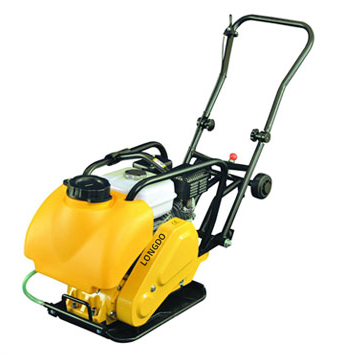
A lightweight machine works perfectly for landscaping, narrow sidewalks, and tight trenches. The مكبس 12KN C60T delivers enough punch to compress about 20 centimeters of loose sand or fine gravel. You can easily lift this model onto a truck bed with two people, making it highly portable for quick residential repairs.
18KN Compactor C90 Handles Heavy-Duty Tasks
Commercial sites require deeper compaction and heavier blows to settle mixed soils. Stepping up to the مكبس 18KN C90 gives you serious crushing power for thick layers of crushed stone. The wider bottom plate speeds up the work on large driveways, meaning fewer passes back and forth across the dirt.
Specialized Plate Compactors Suit Niche Applications
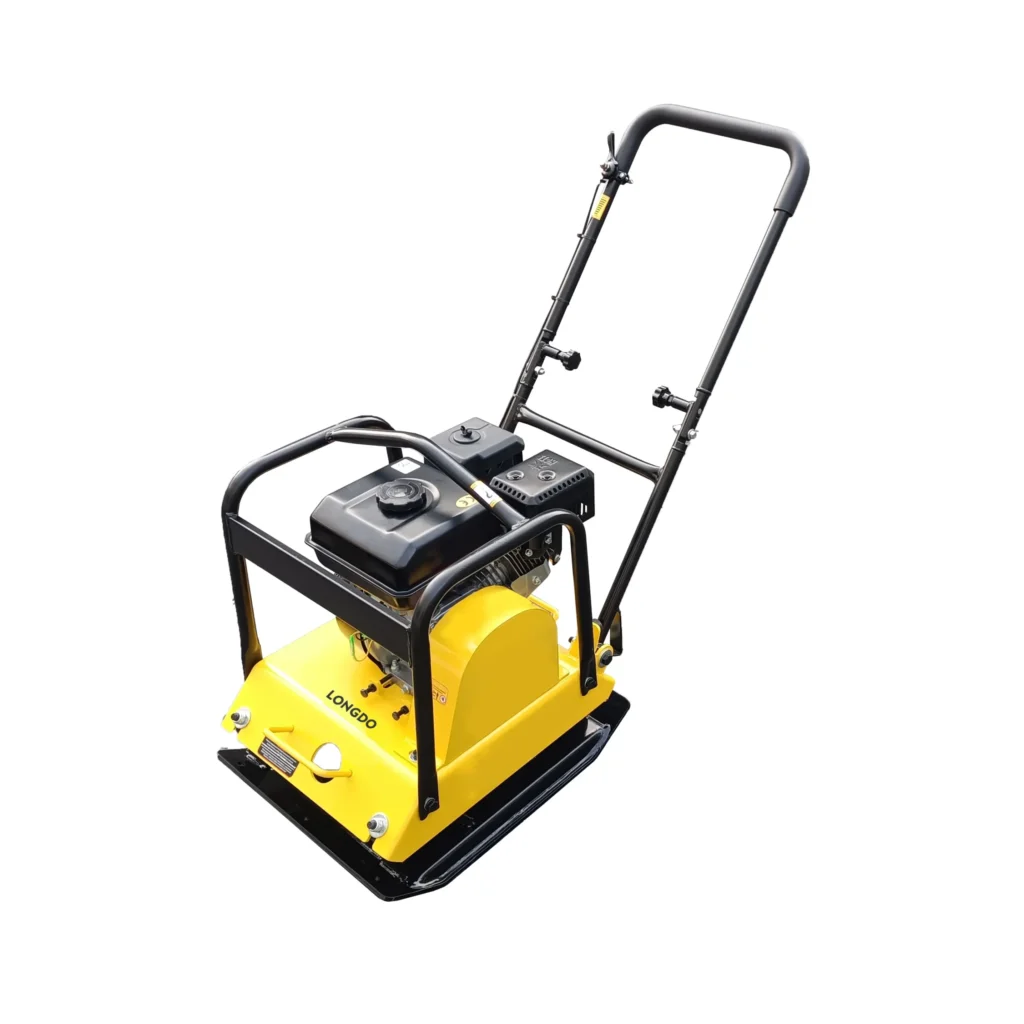
Sometimes a standard forward-moving machine falls short. Reversible plates let you back out of blind trenches without dragging heavy equipment by the handle. Other models feature built-in water tanks specifically designed to stop hot asphalt from gluing itself to the cold steel base.
How Do You Choose the Right Plate Compactor for Sale?
Looking at equipment catalogs gets confusing fast when every page lists different acronyms and numbers. You just want to know if the machine will tamp the dirt flat. Focus on three main specifications when browsing a plate compactor for sale to avoid buying the wrong tool.
Evaluate the Engine Horsepower Output
Engine power dictates how fast the exciter box spins. A standard 5.5 HP gas motor handles typical gravel jobs just fine, keeping the machine pulling forward without bogging down in thick mud. Higher horsepower simply means the unit recovers faster after hitting a buried rock.
Compare the Total Compaction Force
Compaction force is measured in kilonewtons (kN). A 10KN rating equals roughly 2250 pounds of force per hit. The table below breaks down typical force ratings based on field data for different materials.
| Application Type | Recommended Force | Max Compaction Depth | Ideal Base Material |
| Residential landscaping | 10KN to 13KN | Up to 8 inches | Sand, loose topsoil |
| Driveway foundations | 14KN to 18KN | 10 to 12 inches | Mixed soils, crushed stone |
| Deep trench work | 20KN and above | 14+ inches | Cohesive clay, deep fill |
Check the Bottom Base Plate Area
A wider plate covers more ground quickly but requires significantly more engine force to maintain high pressure per square inch. Conversely, a narrow plate squeezes neatly into tight plumbing trenches. Look for curved edges on the steel plate, as sharp corners tend to gouge soft dirt when turning.
Why Should You Trust LongdoGlobal Construction Equipment?
Buying heavy machinery means relying on the manufacturer for replacement parts and technical support years down the line. A flashy paint job does nothing when the exciter bearings fail on a Tuesday morning. Solid manufacturing roots matter deeply in this industry.
High-Quality Equipment from a Trusted Manufacturer
Reading through the نبذة عنا page reveals a strong history of building tough, reliable gear. The raw materials make a huge difference. Using thick, high-carbon steel for the base plates stops them from cracking in half when an operator accidentally drops the machine off a curb.
Professional Service and Dedicated Customer Support
Unexpected breakdowns cost serious money in lost hourly wages. Checking out the الخدمة policies shows how fast you can actually get replacement drive belts or fresh air filters shipped to a job site. Good support keeps crews working instead of waiting around.
Continuous Innovation Reflected in Recent News
Equipment technology shifts constantly to meet tighter emission laws and safety standards. Keeping an eye on the company أخبار releases helps you spot upgraded models with better anti-vibration handles. You can browse their full معدات البناء lineup to see how the designs continuously evolve.
Which Projects Require a Plate Compactor?
Different environments throw completely different challenges at your equipment. A machine acting perfectly on dry, dusty sand might get hopelessly stuck in wet, sticky clay. Matching the tool to the specific ground material prevents a lot of headaches.
Asphalt Paving for Driveways and Roads
Hot blacktop sticks aggressively to bare steel. You absolutely need a machine equipped with a water dripping system. The tank trickles a thin film of water directly onto the plate, acting as a barrier so the asphalt finishes smoothly without tearing up chunks.
Soil Compaction for Foundation Work
Before pouring concrete slabs, the dirt underneath must be completely locked together. Deep soil compaction stops the building from settling unevenly and cracking the concrete three years later. You hit the dirt in multiple layers to build a rock-solid base.
Brick Paving for Walkways and Patios
Concrete paving stones shatter easily under raw steel impacts. You have to bolt a thick rubber polyurethane mat under the machine to cushion the heavy blows. If you do backyard patio setups, grabbing some Garden Outdoor Equipment pairs nicely with a properly padded compactor.
What Are the Key Maintenance Steps for Your Equipment?
Dirt and constant vibration actively destroy machinery. Keeping your compactor running strong takes a bit of weekend wrenching and basic upkeep. Having some Workshop Professional Tools sitting in the garage makes this dirty job much easier.
Regular Inspections of Engine Components
Check the engine oil level every single morning. These small motors tilt and shake constantly, sometimes burning oil faster than a standard lawnmower. You also need to knock the dust out of the air filter daily, especially if working on dry, windy sites.
Frequent Cleaning of the Compactor Plate
Mud and clay harden like cement if left overnight. Scrape the bottom bare metal totally clean with a wire brush after every shift. Built-up grime ruins the flat surface and causes the machine to bounce erratically instead of hitting straight down.
Timely Replacement of Drive Belts
A thick rubber belt transfers all the power from the spinning engine to the heavy exciter box. If this belt stretches and slips, you lose nearly half your impact force. Keep a spare belt in the truck glovebox to avoid stopping work mid-day.
الأسئلة الشائعة
Q1: How deep can a 12KN compactor plate compress soil?
A: It usually reaches about 8 inches deep in loose, granular soils like sand. If you hit wet clay, that depth drops significantly because the dirt sticks together.
Q2: Do you push or pull a forward plate compactor?
A: You just let the machine pull itself forward while you lightly guide the handle. Shoving it forcefully ruins the smooth finish and tires out your arms quickly.
Q3: Can you run a compactor plate over pavers without breaking them?
A: Yes, but only if you attach a specialized rubber paving pad to the bottom. Hitting bricks with bare steel shatters them instantly.
Q4: Why does the compactor engine stall on steep inclines?
A: Most modern small engines have a low-oil safety sensor. Tipping the machine makes the oil slosh to one side, tricking the sensor into shutting off the spark.
Q5: How often should you change the exciter box oil?
A: The exciter usually needs fresh oil after the first 50 hours of break-in use, and then roughly every 200 hours after that. Checking the dipstick monthly prevents total bearing failure.
