


Why Is a Miter Saw Called a Miter Saw? History & Modern Tool Guide
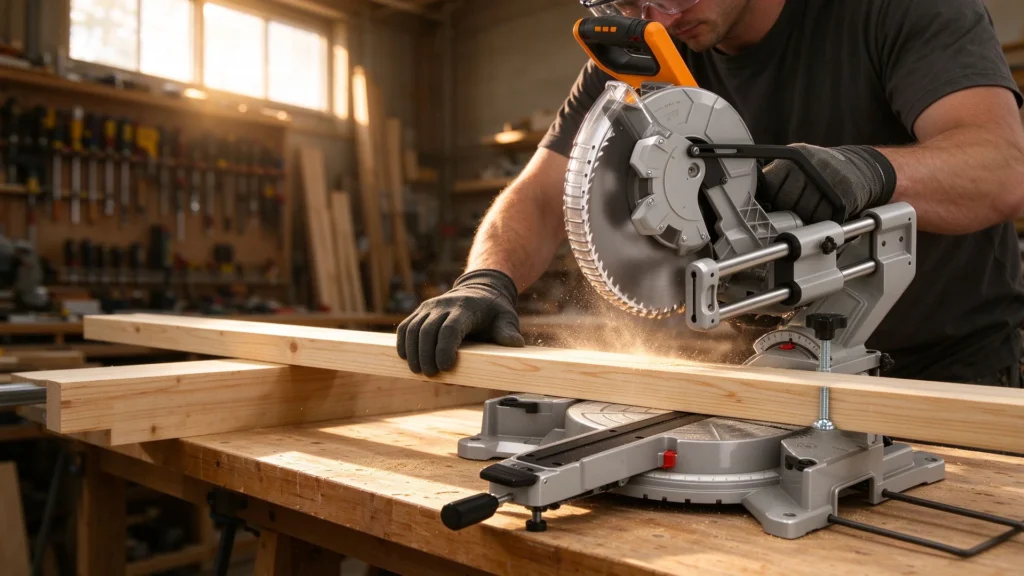
Why is a miter saw called a miter saw? The answer actually goes back to classic woodworking. Craftsmen call a specific angled cut a “miter.” Naturally, they named the tool after this exact joint. You see miter joints everywhere in picture frames or door trims. Our tools simply make those tight, angled connections possible on the job.
Evolution From Manual to Power Tools
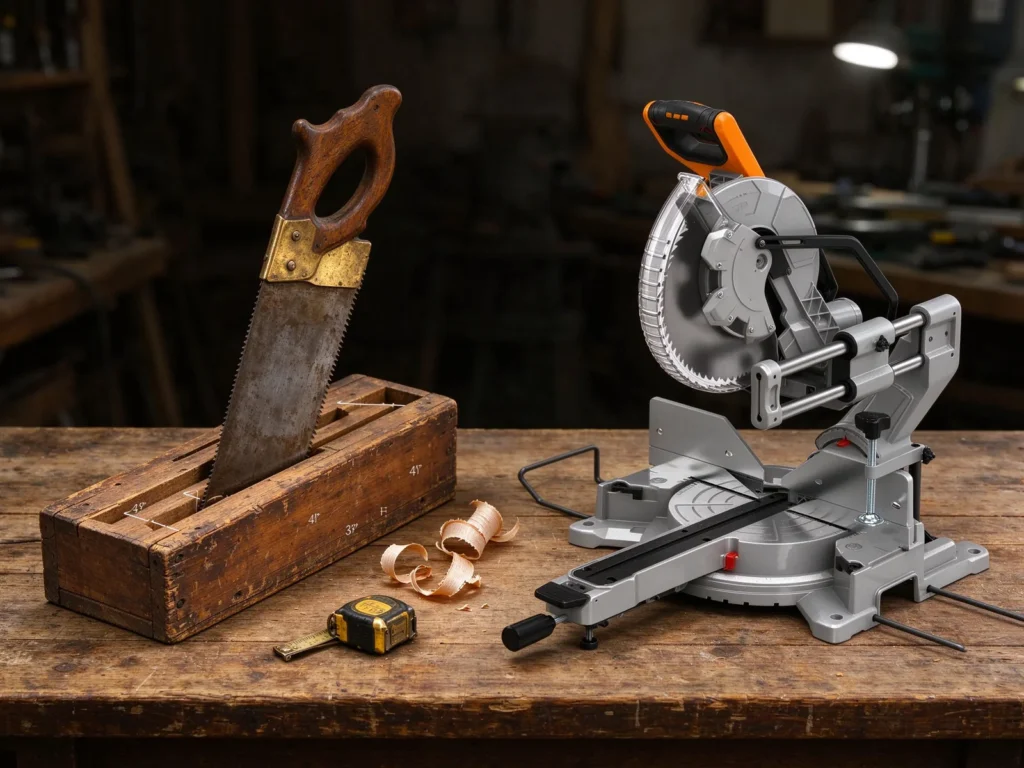
What is a miter saw in historical terms? Back in the day, carpenters relied on manual miter boxes. They literally pushed hand saws through pre-cut wooden slots. Eventually, the industry added electric motors to the mix. Today’s power tools deliver the instant precision modern workshops demand. It completely changed how fast we can help you frame a room.
How Does a Sliding Miter Saw Improve Modern Woodworking?
Sliding Rails Extend Cutting Width
A sliding miter saw changes the game with moving metal rails. These rails let the blade glide forward and backward smoothly. Because of this, you can cut much wider boards without hassle. Standard saws only pivot downward for simple crosscuts. The sliding mechanism is exactly what you need for wide shelving or deep cuts.
Ideal for Construction and Workshop Projects
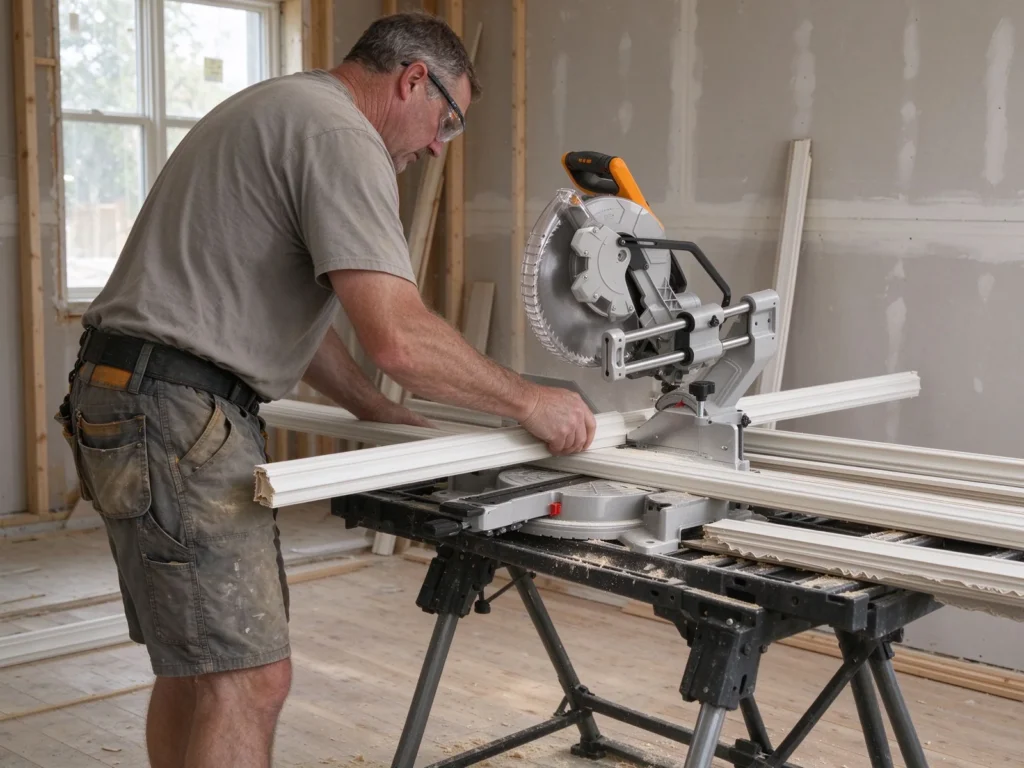
Real-world industrial projects demand equipment that adapts fast. Builders on site need reliable machines for unpredictable daily tasks. That sliding capability isn’t just a luxury; it becomes essential. Check out our ورشة عمل وأدوات احترافية if you are upgrading your current setup. Solid tools directly impact the structural integrity of your builds.
Why Choose a 12-Inch Double Bevel Miter Saw?
12-Inch Blades Cut Thicker Materials
Most professionals we work with eventually upgrade to a 12 miter saw. That larger blade handles thick lumber without breaking a sweat. It easily powers through tall baseboards and thick crown molding. Smaller 10-inch blades just struggle and stall on these dense materials. Investing in a 12-inch model definitely saves time on heavy-duty jobs.
Double Bevel Saves Turning Heavy Wood
A double bevel setup acts as a massive efficiency booster. The saw head tilts freely to both the left and right. This means you never have to flip heavy lumber around during operation. It saves your back and prevents accidental material damage. In production environments, it speeds up complex angled cuts noticeably.
Longdo Global K305 Offers Industrial Power
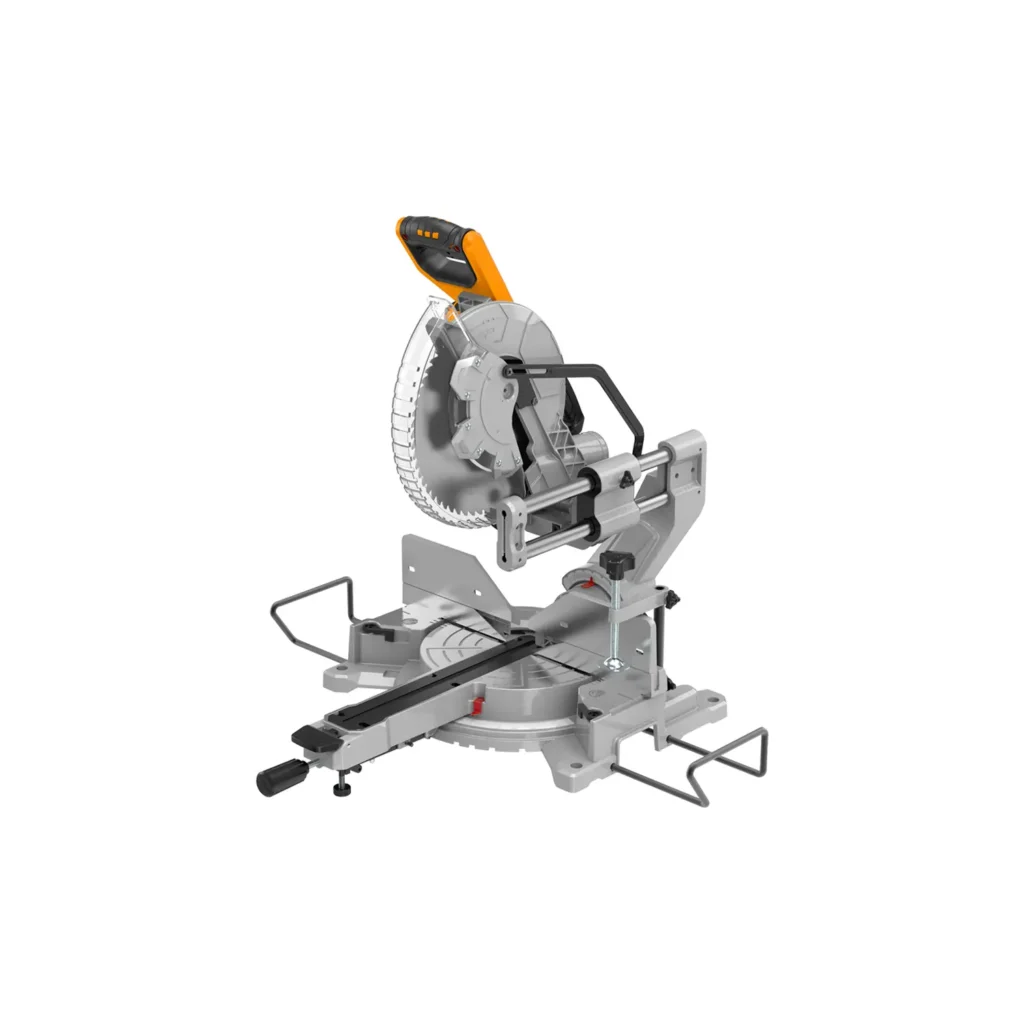
We designed our منشار ميتري K305 for serious performance. Under the hood, it packs a genuinely robust industrial motor. Precise angle adjustments guarantee you get perfect cuts every single shift. The K305 handles the daily grind of professional use easily. Head over to لونغدو جلوبال to check the full technical specs.
What Are the Differences Between a Miter Saw and a Chop Saw?
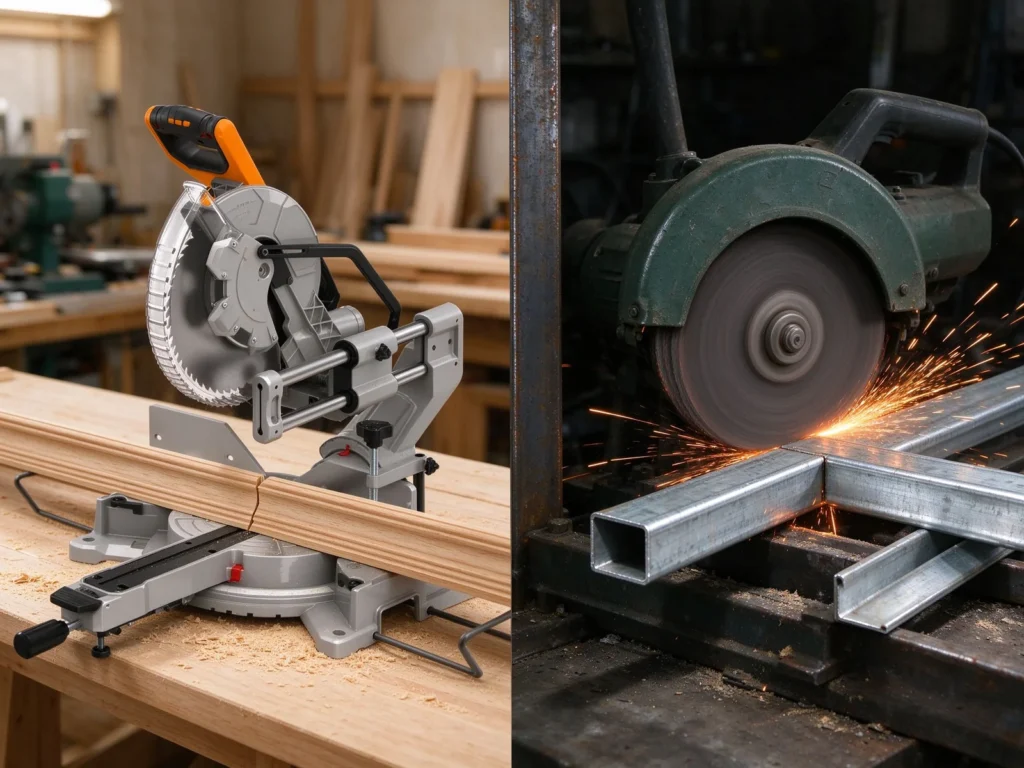
Miter Saws Excel in Angled Precision
Buyers mix these two up all the time in our experience. Miter saws are built specifically for intricate, angled cuts. They handle delicate wood trim and finishes beautifully. You get the exact bevels needed for high-end furniture making. The rotating base allows precise angle adjustments for any custom work.
Chop Saws Dominate Rough Metal Cutting
A chop saw does something entirely different on the job site. It practically only performs straight 90-degree cuts. You will see plumbers and mechanics using them the most. They easily cut metal pipes, angle iron, and metal profiles. We always recommend choosing your saw based strictly on the material you need to cut.
How Can a Miter Saw Stand Boost Your Workshop Productivity?
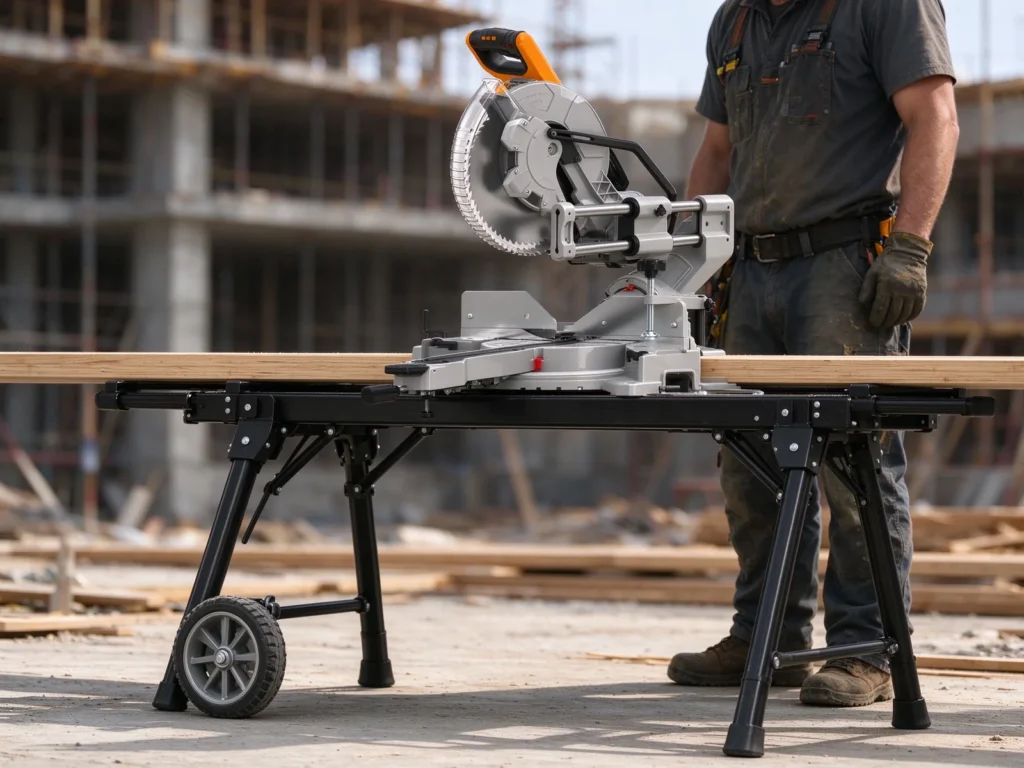
Miter Saw Stands Secure Heavy Equipment
We never underestimate the value of a solid miter saw stand. It securely anchors heavy 12-inch saws during intense operation. A heavy-duty base absorbs those strong motor vibrations instantly. This keeps your cuts perfectly straight and true every time. Sturdy stands also prevent your equipment from shifting dangerously while running.
Ready to upgrade your daily workshop capabilities? Our Longdo Global K305 delivers the exact precision your team needs. You can contact us today for competitive wholesale pricing. Alternatively, explore our complete lineup of ورشة عمل وأدوات احترافية online. Let our team help you build better projects faster.
FAQs
Q: What is a miter saw used for in woodworking?
A: A miter saw makes precise crosscuts and angled cuts in wood. Builders rely on it for framing, crown molding, baseboards, and intricate trim work where accurate angles are essential.
Q: Why is a sliding miter saw better than a standard one?
A: A sliding miter saw features rails that allow the blade to move forward and backward. This design significantly increases the cutting capacity, enabling users to cut much wider boards.
Q: What does double bevel mean on a miter saw?
A: A double bevel miter saw tilts the blade to both the left and right sides. This design lets you make complex angled cuts without flipping the heavy wood over. We highly recommend this feature for faster workshop production.
