


If you run heavy machinery or even just a lawnmower, you know the frustration of yanking a pull cord ten times to get nothing but a sputter. Equipment relies entirely on how well the fuel flows from the tank to the combustion chamber. Using a good fuel system cleaner for gasoline engines keeps everything running right and stops unexpected breakdowns. For professionals who need reliable power, a solid supplier like LongdoGlobal provides gear built for tough environments. You can check out their background on the À propos de nous page to see why equipment choice matters just as much as maintenance.
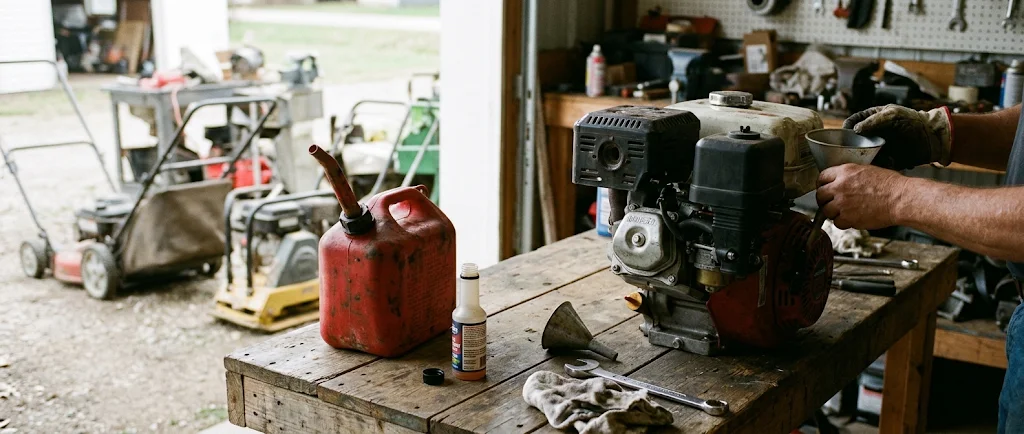
Why Do You Need a Fuel System Cleaner for Gasoline Engines?
Letting gas sit in a tank is asking for trouble. Fuel breaks down incredibly fast these days. When it degrades, it leaves behind sticky varnish that clogs up the tight spaces inside carburetors and valves.
Carbon Buildup Reduces Engine Performance
Every combustion cycle leaves behind a tiny bit of soot. Over a few months on a busy job site, that soot turns into a hard carbon crust. You will notice a drop in power when using heavy matériel de construction like concrete saws or plate compactors. The engine just feels sluggish and struggles under load.
Clogged Injectors Cause Hard Starts
Tiny holes spray fuel into the cylinder. When those holes get blocked by varnish, the engine starves for gas. Professional crews rely on outils professionnels pour atelier to start on the very first pull. A clogged system makes cold starts completely miserable and wastes valuable time.
Poor Fuel Quality Lowers Efficiency
Gas straight from the pump starts losing its kick in about 30 days. Stale fuel does not burn hot or clean. This translates directly to burning more gas to do the exact same amount of work, costing you extra money at the pump every single week.
How Does a Fuel Injector Cleaner for Gasoline Engines Work?
Pouring a bottle of fluid into your tank might feel a bit like magic, but it is just basic chemistry at work. A proper fuel injector cleaner for gasoline engines targets specific types of grime inside the motor.
Chemical Solvents Dissolve Stubborn Deposits
Strong active agents attack the hardened carbon and gummy varnish. They break these solids down into microscopic particles so they can safely pass through the exhaust without scratching the sensitive cylinder walls.
Lubricating Agents Protect Engine Components
Modern pump gas often lacks enough lubrication. Good cleaners add a thin coating of slick oil to the upper cylinder area. This reduces the metal-on-metal scraping that ruins piston rings over time.
Water Removers Prevent Corrosion and Rust
Condensation builds up inside half-empty gas tanks as temperatures change overnight. These cleaning products wrap around water molecules and push them through the combustion chamber to burn off. Keeping water out stops rust dead in its tracks.
| Problem | Primary Cause | Chemical Solution |
| Sticky Varnish | Stale gasoline sitting too long | Detergent solvents |
| Hard Carbon | Incomplete combustion cycles | PEA (Polyether amine) |
| Water Pooling | Overnight temperature shifts | Emulsifiers |
When Should You Use a Fuel Additive for Gasoline Engines?
Timing matters just as much as the product you buy. Deciding when to pour in a fuel additive for gasoline engines depends entirely on your equipment’s current condition and the season.
Daily Preventive Maintenance Stabilizes Fuel
For machines running every day, adding a small maintenance dose keeps fresh fuel from degrading. It acts like a shield against future clogs rather than trying to fix existing ones.
Deep Cleaning Restores Lost Power
If your generator stutters under a heavy load or blows black smoke, it is time for a shock treatment. You run a highly concentrated dose through a nearly empty tank to aggressively strip away heavy carbon.
Winter Storage Requires Fuel Stabilizers
Packing up your équipements de jardin et d'extérieur for the off-season without treating the gas is a huge mistake. A stabilizer prevents the fuel from turning into a jelly-like mess over the long winter months.
Which Maintenance Method Is Best for Small Gasoline Engines?
Car engines and small utility motors handle fuel differently. Most small equipment relies on basic carburetors instead of high-pressure electronic injection, which changes how you approach daily maintenance.
Routine Additive Use Prevents Carburetor Issues
Carburetors have microscopic jets that clog very easily. Regularly treating your fuel is far cheaper and faster than tearing down a carburetor on a workbench to clean out green gunk with a wire.
Periodic Deep Cleaning Prevents System Failures
Every 100 hours of run time, run a strong cleaner through the system. This knocks loose anything the daily additives missed and keeps the internal parts moving freely.
Upgrading to High-Quality Engines Reduces Hassle
Sometimes an old motor is just poorly designed and constantly fouls spark plugs. Upgrading to a more modern and efficient power plant solves the root problem rather than just treating the symptoms over and over.
How Do You Properly Apply a Fuel System Cleaner?
Do not just dump a whole bottle into a tiny tank. Following the right steps prevents you from accidentally damaging rubber seals or flooding the engine with too much chemical solvent.
Check the Recommended Mixing Ratio First
Read the label closely. Most automotive bottles treat 20 gallons of gas. Dumping that much into a one-gallon pump tank will melt the fuel lines quickly. Calculate the exact ounces needed for your small tank.
Pour the Cleaner Before Refueling the Tank
Always add the chemical to an empty or mostly empty tank first. When you pump the fresh gas in afterward, the force of the liquid mixes everything together perfectly.
Run the Engine to Circulate the Solution
Let the machine idle for at least ten minutes. The treated fuel needs time to travel through the lines, fill the carburetor bowl, and soak into the dirty valves to actually start working.
How Often Should You Clean the Fuel System?
Setting a schedule keeps you from guessing. Different tools work in different environments, meaning their maintenance cycles look completely different depending on the job.
Heavy-Duty Construction Equipment Needs Frequent Cleaning
Dust and continuous heavy loads take a toll. Treat these machines at the start of every month. The harsh conditions demand strict upkeep to avoid costly downtime on the site.
Seasonal Garden Tools Require Pre-Storage Care
Mowers and tillers usually need a deep clean right before autumn ends. You clean the system out and then leave treated fuel in the lines to sit safely until spring rolls around.
General Purpose Engines Follow a Standard Schedule
For everything else like standard water pumps or generators, follow the manufacturer recommendations. You can check out general service guidelines for routine maintenance tips on standard machinery.
When Is Replacing the Engine Better Than Cleaning?
No chemical can fix worn-out metal. Eventually, compression drops so low and internal parts get so scored that all the additives in the world will not fix the machine.
Severe Internal Damage Defies Chemical Cleaning
If you have a cracked piston ring or a deeply rusted fuel bowl, cleaners are totally useless. You will just be pouring money straight out the exhaust pipe.
Upgrading to Gasoline Engine RV225 Saves Money
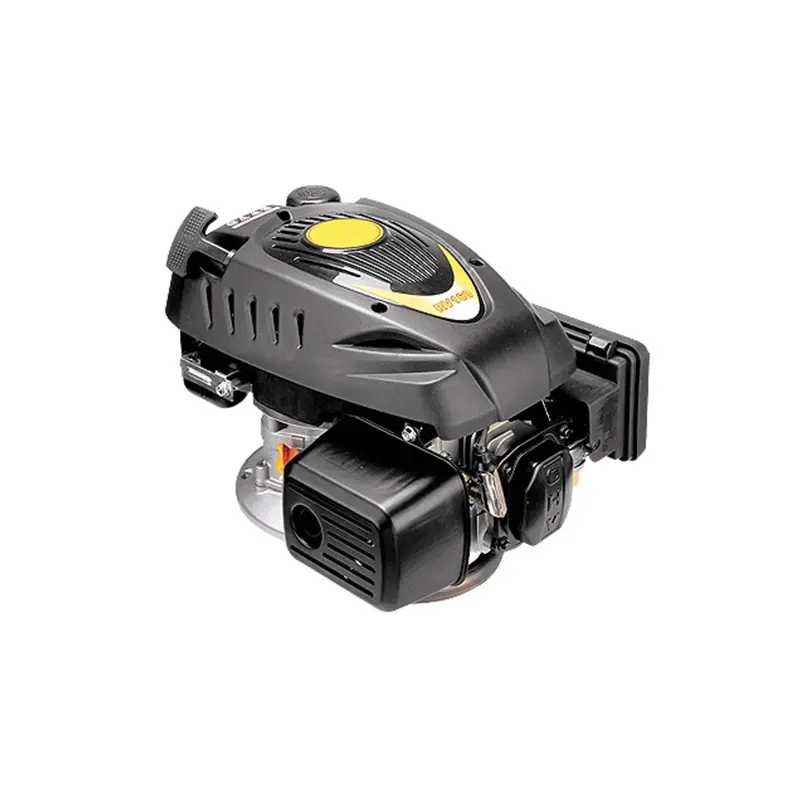
Instead of spending days rebuilding a dead motor, just swap it out. The Moteur à essence RV225 delivers fantastic fuel economy and handles tough workloads easily. It is a smart, direct replacement that gets your gear back to work immediately without the headache of constant repairs.
New Engines Provide Long-Term Reliability
A fresh power unit means zero worries about hidden internal wear. Keep an eye on industry actualités to see how newer engine designs keep pushing reliability forward for professional users.
FAQ
Q1: Can I use automotive cleaners in my small equipment? A: Yes, but you must reduce the amount drastically. Too much solvent eats the small rubber gaskets found in small motors.
Q2: Does fuel injector cleaner actually fix a stalling engine? A: It works if the stalling comes from dirty fuel paths. It will not fix a broken spark plug or a physical mechanical failure.
Q3: How much additive do I actually need for a two-gallon tank? A: Usually about one ounce total. Check the back of your specific bottle because formulas have widely different concentrations.
Q4: Is it safe to leave treated fuel in the tank for six months? A: Yes, as long as you used a product explicitly labeled as a fuel stabilizer rather than just a harsh chemical cleaner.
Q5: Will pouring more cleaner into the gas make it work faster? A: No. Over-treating makes the fuel too thin to burn correctly and often leads to the engine not starting at all.
