







When you look at a piece of heavy machinery, the gasoline engine is the beating heart that makes everything happen. It turns raw fuel into actual physical work. If you run an industrial site or manage heavy-duty equipment fleets, getting familiar with an internal combustion engine is practically a requirement for keeping operations smooth. You need equipment that simply works when you turn the key on a cold morning. That is exactly where LongdoGlobal steps in as a premium supplier. You get reliable power solutions designed specifically for tough global conditions without the constant headaches of mechanical failure.
What Is an Internal Combustion Engine?
At the most basic level, this machine burns fuel inside a closed metal space. The explosion creates intense pressure, and that pressure moves heavy internal parts to get the job done. It is loud and sometimes dirty, but it remains incredibly reliable for commercial power.
Basic Definition of a Combustion Process
Fuel needs oxygen to burn. An engine traps gasoline vapor and air inside a tight metal cylinder. A spark sets this mixture on fire. This small controlled explosion happens thousands of times a minute. It sounds violent because it actually is.
Conversion of Thermal Energy to Motion
The heat from that explosion expands the gases rapidly. This intense pressure pushes down on a metal piston. As the piston goes down, it turns a crankshaft. So, you start with chemical heat from the fuel and end up with spinning mechanical force at the shaft.
Powering Heavy Construction Equipment
Big jobs need serious torque. That spinning crankshaft attaches to belts, gears, and hydraulic pumps to provide the muscle needed for intense tasks. You will find these power plants driving matériel de construction on dusty building sites every single day, proving they can handle relentless commercial use without quitting.
How Does a Combustion Engine Work in Machinery?
Putting the basic physics into a working piece of equipment requires some very smart engineering. The internal parts must endure massive heat and friction while running for hours on end without seizing up.
Key Internal Components Work Together
You have the heavy cylinder block holding everything in place. Inside, the piston slides up and down perfectly straight. A sturdy connecting rod links the piston to the crankshaft. Meanwhile, small metal valves open and close at the exact right millisecond to let fresh air in and push toxic exhaust out.
Continuous Power Delivery for Industrial Tasks
One single explosion gives a very short burst of energy. To keep a water pump or compactor running smoothly, the engine uses a heavy metal flywheel. The physical momentum of the spinning flywheel keeps the crankshaft turning between explosions. This makes the final power output feel completely steady to the operator.
Reliable Workshop and Professional Tools
This steady and predictable power delivery makes all the difference when precision matters on a job site. It is exactly why professionals trust gas-powered workshop and professional tools to cut thick concrete or sand drywall. The machinery does not stall when it hits a tough spot.
What Are the Four Strokes of an Engine?
Most modern gasoline power plants use a four cycle engine setup. This refers to the four distinct movements the piston makes to complete one full power cycle. Let us break down these four strokes of an engine to see the exact sequence.
Intake and Compression Strokes Prepare the Mix
First, the piston moves down while the intake valve opens. It sucks a fine mist of gas and air into the cylinder. Then, the valve closes completely and the piston moves back up. This squeezes the mixture into a tiny space. Compressing the gas makes the upcoming explosion much more powerful.
Power and Exhaust Strokes Produce Output
Now the spark plug fires. The highly compressed gas explodes and slams the piston down with tremendous force. This is the power stroke that actually does the physical work. Finally, the exhaust valve opens. The piston moves back up to push the burnt gases out into the muffler, clearing the cylinder for the next round.
Standard Four Cycle Engine Efficiency
Engineers measure the efficiency of these movements by tracking cylinder pressure. Here is a breakdown of what happens physically during a standard cycle.
| Stroke | Piston Movement | Valve Status | Purpose | Average Cylinder Pressure (psi) |
| Intake | Downward | Intake Open | Draw in fuel mix | 10 to 14 |
| Compression | Upward | Both Closed | Squeeze the mixture | 150 to 200 |
| Puissance | Downward | Both Closed | Generate mechanical force | 500 to 1000 |
| Exhaust | Upward | Exhaust Open | Expel burnt exhaust gases | 15 to 25 |
How Does Gas Work in a Car and Industrial Tool?
Whether you are driving a sedan on the highway or running a concrete grinder, the basic physics of how gas works in a car match what happens in industrial machinery. It all comes down to controlling the fuel burn rate.
Fuel Atomization Ensures Efficient Burning
Liquid gasoline does not burn very well on its own. It needs to turn into a vapor first. A carburetor sprays the fuel into a very fine mist and mixes it with oxygen. Getting this exact air-to-fuel ratio right is the secret to a smooth-running motor. Anyone who has flooded a machine on a cold morning knows that getting the fuel mix wrong ruins your day.
Spark Ignition Triggers the Explosion
An electrical ignition coil bumps the low voltage from a magnet up to thousands of volts. This creates a fat, bright spark across the spark plug gap at the exact moment of maximum piston compression. The timing must be absolutely perfect.
Driving Robust Garden and Outdoor Equipment
This simple but highly effective system scales down perfectly for smaller commercial tasks too. It provides the instant torque needed for demanding équipements de jardin et d'extérieur, letting landscapers tackle thick brush or heavy wet soil without worrying about battery life running out mid-job.
Why Is a Four Cycle Engine Better for Sourcing?
When purchasing equipment for a business fleet, you usually face a choice between two-stroke and four-stroke models. The four-stroke design dominates heavy commercial applications for a few very clear reasons that impact your bottom line.
Superior Fuel Economy Reduces Operating Costs
Four-stroke machines consume significantly less fuel. They only fire once every four strokes, meaning they do not waste raw unburnt gas out the exhaust port. Over a year of daily site use, this translates to huge monetary savings on fuel expenses.
Lower Emissions Meet Global Standards
Because they burn fuel much cleaner, these motors easily pass strict environmental and customs clearance regulations worldwide. There is no need to mix sticky oil directly into the gas tank. This completely stops the heavy blue smoke common in older two-stroke designs.
Easy Maintenance Supported by OEM Services
You just change the oil in the crankcase periodically and keep the air filter clean from dust. Regular upkeep is straightforward. Sourcing machinery is also much safer when you have solid factory backing and comprehensive service provided by the manufacturer. Reading the latest industry actualités also keeps you updated on maintenance schedules and new parts.
Why Does the Gasoline Engine R420 Lead the Market?
Theory is great for textbooks, but practical application matters more on a job site. Looking at a specific market leader helps clarify what makes a good power unit stand out from cheap throwaway alternatives.
High Output and Durable Build Structure
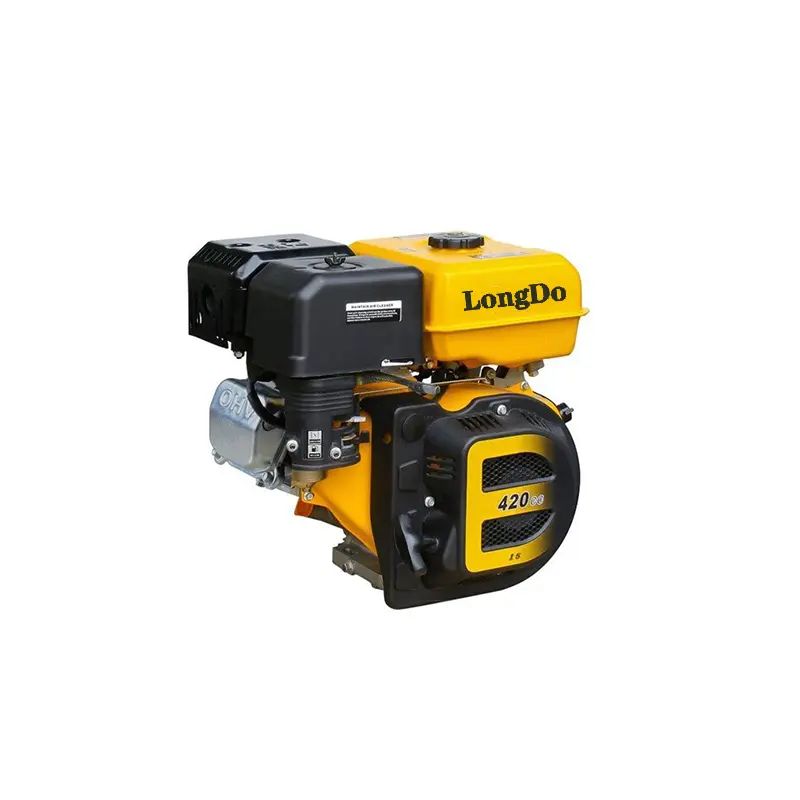
When you need raw and dependable power, the Moteur à essence R420 delivers outstanding results. It features a heavy-duty cast iron cylinder sleeve and forged steel internal components. It generates massive torque while resisting the intense wear and tear of daily commercial industrial use.
Innovative Design Details Fit Multiple Scenarios
It uses a smart overhead valve design to run cooler and cleaner all day. The built-in low oil sensor automatically shuts the unit down before any internal metal damage occurs. This makes it an ideal drop-in replacement motor for heavy tillers, industrial water pumps, and commercial pressure washers.
Consistent Quality Built by Reliable Manufacturers
Every single motor passes rigorous live load testing before it goes in a shipping box. You can read more regarding the strict manufacturing protocols on the À propos de nous page to see exactly why commercial buyers trust these assembly lines for bulk fleet orders.
FAQ
Q1: How long does a four stroke industrial gasoline engine typically last?
A: With regular oil changes, a high-quality motor easily lasts between 1,500 and 2,000 hours of heavy commercial use before needing any major internal rebuilds.
Q2: Can you put standard car fuel in commercial equipment?
A: Yes, most modern four cycle engines run perfectly on standard unleaded 87 octane pump gas. Just avoid ethanol blends higher than E10 to prevent severe carburetor damage.
Q3: What causes an internal combustion engine to lose power under load?
A: Power loss often comes from a dirty air filter, a fouled spark plug, or old bad fuel clogging the main jet. Cleaning the air intake usually restores full horsepower immediately.
Q4: Why does a four cycle motor not need mixed gas and oil?
A: These modern designs have a dedicated oil sump in the bottom crankcase that constantly lubricates the moving parts, so you only put pure gas in the top fuel tank.
Q5: How often do you need to change the oil on a new motor?
A: You should change the oil after the first 5 to 8 hours of initial break-in time to remove loose metal shavings, and then every 50 hours of normal daily operation.
