







How to Operate a Plate Compactor Safely & Troubleshooting Common Issues
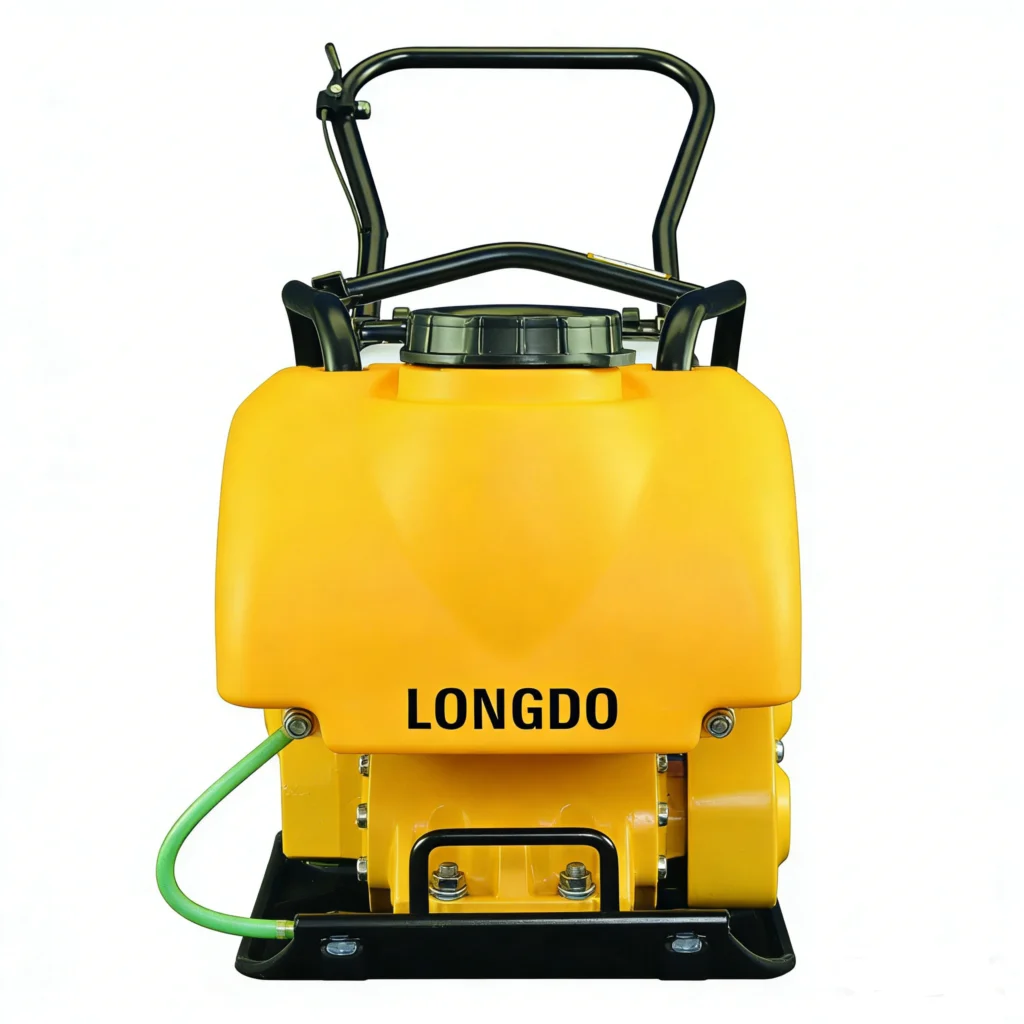
A reliable compaction machine is the backbone of any solid foundation. Whether a crew is prepping a residential driveway, backfilling a trench, or finishing a commercial landscaping project, the density of that base directly dictates the longevity of the surface above it. If you haven’t selected your equipment yet and are unsure about your soil type, we highly recommend reading our complete guide on [Plate Compactor vs Jumping Jack: Which is Best for Your Compaction Project?] before heading to the job site.
However, getting the equipment to the job site is only the first step. Project managers and contractors consistently face two major operational roadblocks in the field: ensuring newer crew members understand how to operate a plate compactor safely, and dealing with sudden, mid-job equipment failures that bring progress to a grinding halt.
We have seen entire schedules derailed simply because a machine suddenly stopped vibrating or a drive belt snapped under heavy dust. To keep your projects moving efficiently and your operators safe, our team has put together this practical field guide covering essential operating procedures and quick solutions for the most common on-site mechanical issues.
Field-Tested Steps: How to Use a Plate Compactor Safely
Operating heavy compaction equipment requires more than just pulling a starter cord. Proper handling extends the lifespan of the engine, ensures a perfectly level finish, and protects the operator from severe fatigue. If you are training a new crew on how to use a compactor plate, these are the non-negotiable practices to enforce.
1. The Pre-Operation Walkaround
Skipping the visual inspection is the fastest way to ruin a good engine. Before firing up the machine, check the engine oil and fuel levels. Operating on low oil on an uneven surface can cause catastrophic internal engine damage. Next, inspect the base plate. Scrape off any dried mud, asphalt, or debris left over from the previous shift. Finally, walk the actual work area to remove hidden rocks, steel rebar, or thick roots that could severely damage the eccentric housing upon impact.
2. Starting and Throttle Control
When starting a cold engine, engage the choke, pull the recoil starter firmly, and let the engine warm up for a minute or two before engaging the work mode. A critical aspect of learning how to use a plate compactor is mastering the throttle.
Never operate the machine at half-throttle during actual compaction. The centrifugal clutch requires the engine to run at full RPM to properly engage the exciter and generate the correct vibration frequency. Machines equipped with a standard, easily accessible throttle control—like the setups we specify on our heavy-duty models—allow operators to smoothly transition to maximum RPM without jerky, unsafe movements.
3. Guiding the Machine (Don’t Force It)
The biggest rookie mistake on any job site is trying to manually push or muscle the machine forward. You do not need to shove it. Once the throttle is fully open, the internal eccentric weight generates centrifugal force that naturally propels the unit forward.
The operator’s only job is to firmly, yet flexibly, hold the handle to guide its direction. Fighting the machine’s natural momentum not only creates an uneven compacted surface but also leads to severe operator exhaustion.
4. Managing Vibration Fatigue
Prolonged exposure to intense equipment vibration can lead to Hand-Arm Vibration Syndrome (HAVS), a serious safety concern for full-time landscaping and paving crews. This is an engineering issue as much as an operational one. When selecting equipment, the presence of heavy-duty shock mounts is critical. These specialized rubber mounts isolate the engine and the handle from the violent shaking of the base plate, drastically reducing the vibration transferred to the worker’s hands.
On-Site Troubleshooting: Diagnosing Sudden Failures
Even with perfect operation, harsh site conditions involving abrasive sand, thick dust, and heavy gravel will test the limits of any machinery. When a unit fails, diagnosing the symptom quickly is the key to minimizing downtime.
Why is the plate compactor not vibrating?
You pull the cord, the engine roars to life, you open the throttle, but the heavy steel plate simply sits completely still. A plate compactor not vibrating is arguably the most common panicked call equipment suppliers receive from the field.
In almost every instance, the engine is fine, but the power transmission has failed. The cause is usually a snapped, loose, or heavily worn drive belt. Job sites are dusty environments. When abrasive sand and gravel manage to find their way inside a poorly sealed transmission casing, they rapidly chew through the rubber belt. The immediate fix is to shut down the engine, remove the belt cover, and replace or re-tension the drive belt.
Why is the plate compactor not moving forward?
A different, yet equally frustrating issue occurs when the machine vibrates violently but refuses to advance across the dirt. If you are dealing with a plate compactor not moving forward, check two primary culprits.
First, verify that the throttle is completely open. As mentioned earlier, low RPMs mean the clutch hasn’t fully engaged, resulting in vertical shaking without forward momentum. If the engine speed is correct, safely tip the machine back and look at the bottom of the base plate. A massive buildup of damp clay, thick mud, or packed wet sand acting as an anchor is usually the problem. This dead weight creates massive friction, entirely killing the machine’s forward travel.
The Ultimate Fix is Prevention: Upgrading Your Fleet
Constantly swapping out shredded drive belts or pausing work every twenty minutes to scrape mud off a base plate wastes valuable labor hours. While knowing how to troubleshoot is essential, the most profitable strategy for any contractor is deploying equipment explicitly engineered to prevent these faults from happening in the first place.
When supply chain managers and contractors ask us for a durable, low-maintenance solution for sand, gravel, and mixed soils, we point to the specific field-centric engineering of the Compactador 12KN C60T.
We addressed the most notorious industry pain points directly in its design:
Eliminating Belt Failures: To combat the “not vibrating” issue, the C60T features a tightly sealed belt cover. This critical barrier completely blocks sand and gravel from infiltrating the drive system, vastly extending the life of the belt and keeping the machine operational in the harshest environments.
Smooth, Uninterrupted Travel: To prevent the machine from bogging down and refusing to move forward, the C60T utilizes an open, self-cleaning plate design. Instead of trapping dirt and debris, the architecture allows loose material to naturally slide off the edges during operation, ensuring consistent forward momentum.
Reliable Power & Comfort: Delivering a solid 12 KN of centrifugal force for void-free compaction, the unit is powered by industry-leading petrol engines (with Honda, Robin, and Subaru options available). Combined with our heavy-duty shock mounts to protect the operator and a built-in wheel kit for effortless transport, it is designed to be a ready-to-work solution the moment it comes off the truck.
Conclusion
Proper training on how to operate a plate compactor extends the life of your investment and protects the crews working hard on the ground. However, pairing that operational knowledge with rugged, strategically designed equipment is the true secret to protecting your project margins.
Downtime is expensive. If your current fleet is struggling with excessive vibration, constant belt replacements, or poor mobility, it is time to evaluate your equipment. Explore the technical specifications of the Compactador 12KN C60T, ou reach out to our team to discuss how upgrading your compaction machinery can streamline your next major site preparation.
Perguntas frequentes
Q: How do you properly use a plate compactor on site?
A : A safe start begins with a quick visual inspection of the oil levels and clearing any hardened dirt off the base plate. Once the engine is warm, you must open the throttle completely—running at half speed prevents the clutch from fully engaging the exciter. From there, simply hold the handle to guide the direction. Never try to muscle or shove the equipment; let its natural high-frequency vibration pull it forward across the ground.
Q: What should I check if my plate compactor is not vibrating?
A : If the engine sounds perfectly healthy but the heavy steel plate isn’t shaking, you are almost certainly looking at a snapped or slipping drive belt. Abrasive site dust and gravel eat through unprotected rubber belts incredibly fast. We engineered our 12KN Compactor C60T with a fully sealed belt cover specifically to block out sand and prevent this exact transmission failure.
Q: Why is my plate compactor not moving forward during operation?
A : When a machine shakes violently but refuses to travel, you usually have a massive buildup of wet clay or thick mud anchored underneath the base plate. This dead weight creates massive friction. Checking your throttle is also important (low RPMs mean weak momentum), but upgrading to a unit with an open, self-cleaning plate design allows dirt to naturally slide off the edges so you never lose forward travel.
