







Plate Compactor vs. Rammer: Choosing the Best Tool for Your Soil Type
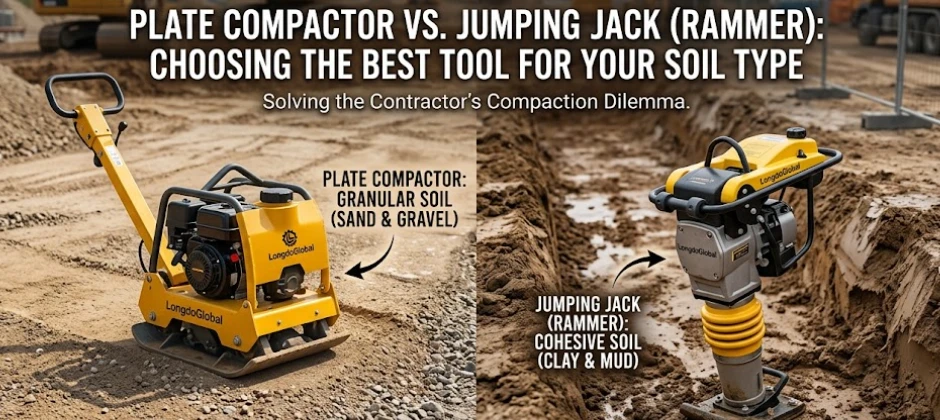
Getting a phone call about a sinking driveway six months after the job is finished is a terrible feeling. Using the wrong compaction gear is usually the culprit. You cannot just use one machine for every pile of dirt because sand acts differently than sticky clay. Knowing which tool to grab saves time and prevents expensive callbacks. If you are looking to upgrade your fleet, checking out LongdoGlobal is a smart move. They build solid, professional-grade equipment that stands up to rough job site abuse. Let us break down when to use a plate compactor and when to fire up a jumping jack.
What Are the Core Differences between These Two Machines?
To make the right call on site, you have to look at how these machines actually hit the ground. They both smash dirt, but they go about it in completely opposite ways.
Compaction Force Mechanisms
A plate compactor uses rapid vibrations. It shakes the ground so fast that the particles settle into all the empty pockets. A jumping jack, or rammer, relies on pure brute force. It literally punches the dirt to smash it together.
Equipment Footprint and Size
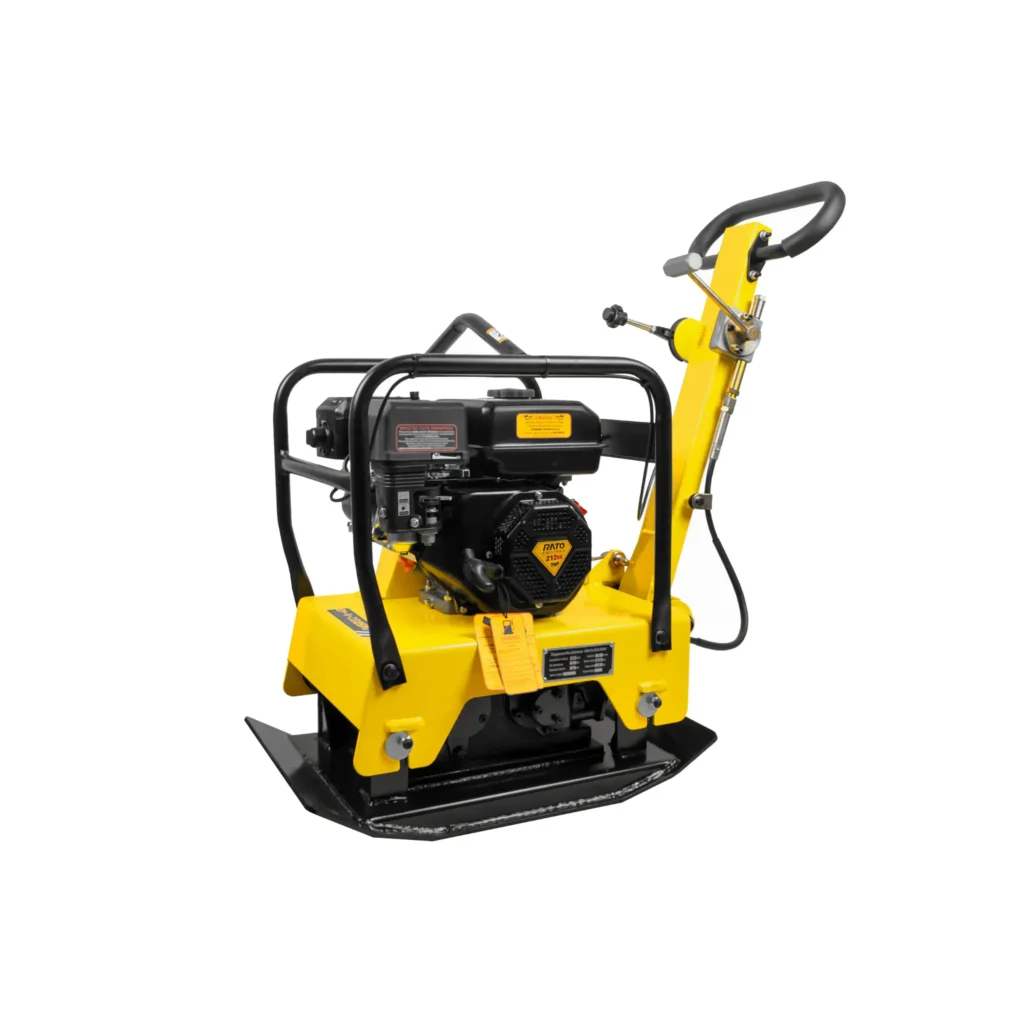
Look at the bottom of the machines. A compactor features a wide, flat steel plate that spreads the weight out. Rammers have a much smaller shoe. This smaller footprint means all the energy gets focused into one tight spot.
Operational Speed and Maneuverability
Running a compactor feels a lot like pushing a heavy lawnmower across a flat yard. It moves steadily forward. Rammers are wilder. They jump up and down aggressively, which means the operator has to fight a bit harder to keep the machine balanced and moving in a straight line.
Which Equipment Is Best for Granular Soils?
Sand and gravel fall apart when you pick them up. This granular nature dictates exactly what kind of machine will get the site ready for paving without digging unwanted trenches.
Vibratory Action for Sand and Gravel
Granular soils do not stick together on their own. The high-frequency shaking from a plate compactor gets these loose rocks and sand grains to slide into place naturally. It locks them down tight without tearing up the surface.
Large Surface Area Coverage
When laying down a huge driveway or a commercial parking lot, speed matters. The broad base of a compactor covers serious ground quickly. You get a nice, flat finish that is ready for asphalt or pavers much faster.
22KN Compactor C125 Performs Perfectly
For this kind of flatwork, the 22KN Уплотнитель C125 gets the job done right. It delivers enough force to settle thick layers of gravel while leaving a smooth top layer. It is built for those long days of continuous flatwork.
Why Do Cohesive Soils Require a Jumping Jack?
Mud and clay are stubborn. Trying to vibrate sticky mud just turns it into a bigger mess. Anyone who has tried to run a heavy machine through wet mud knows exactly what a nightmare looks like. You need a different approach for cohesive dirt.
High Impact Force Shatters Clay
Clay particles bind tightly together like glue. Shaking them does almost nothing. A rammer works by delivering violent downward blows that literally shatter the air pockets trapped inside that thick mud.
Small Shoe Concentrates Compaction Power
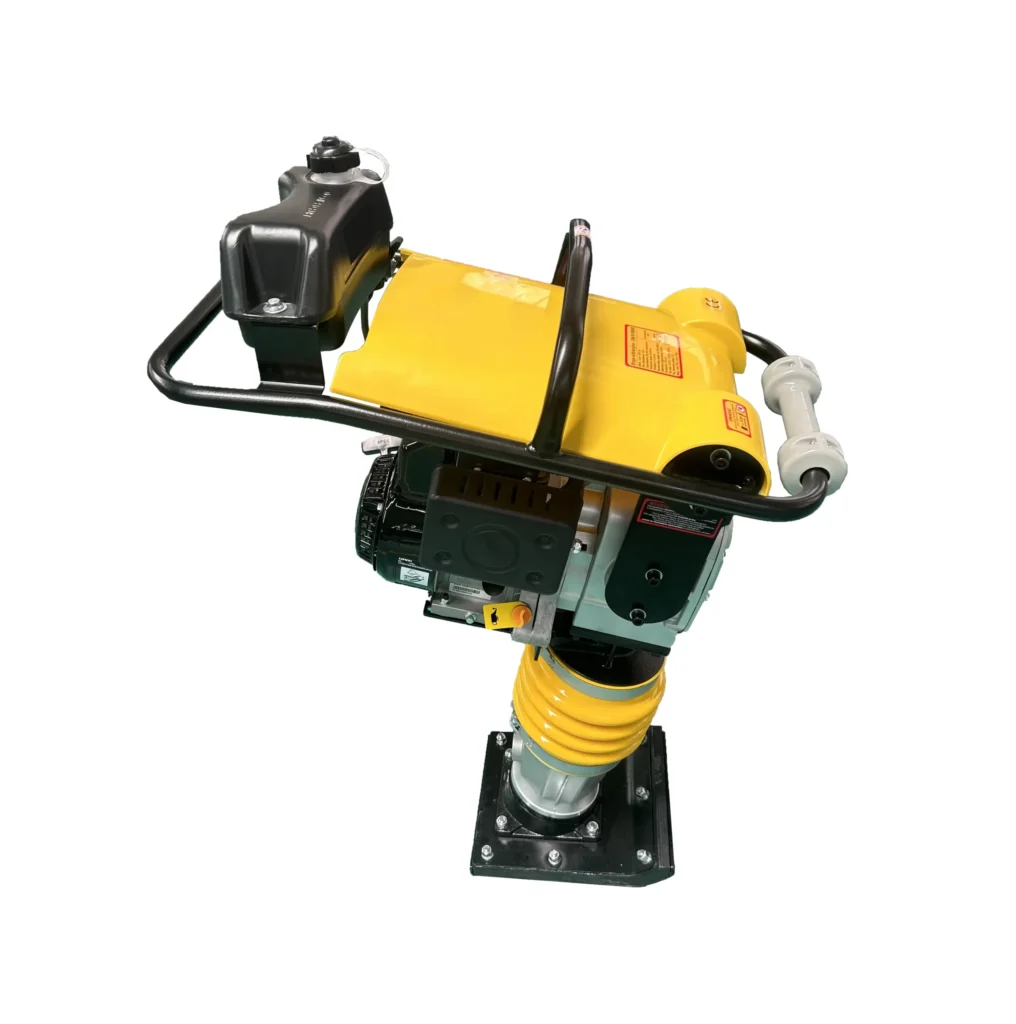
Because the rammer shoe is small, it creates massive pressure on impact. This concentrated punch drives deep into the trench. It forces the sticky dirt to bond permanently so it will not swell and collapse when the rainy season hits.
Rammer RM80L Excels in Trench Work
Tough clay requires serious impact power. The Уплотнитель RM80L packs a massive punch while keeping operator fatigue low. It is perfectly balanced for wrestling through sticky mud at the bottom of a foundation trench.
How Do You Match the Machine to Your Project Site?
The dirt type is just the start. You also have to look at the physical space you are working in. Sometimes the job site limits what you can actually roll off the trailer.
Narrow Trenches and Confined Spaces
Down in a sewer pipe trench or tight up against a foundation wall, wide machines just get stuck. A slim jumping jack maneuvers easily in those cramped corners where a wide plate simply cannot fit.
Driveways and Open Paving Projects
If you have room to breathe, go wide. Open patios, sidewalks, and street repairs demand the speed of a compactor. The wide base prevents uneven dips and valleys that ruin a concrete pour.
Versatile Options for Mixed Workspaces
Most real-world sites throw a mix of sand, clay, wide open spaces, and tight corners at you. It makes sense to browse reliable строительная техника and keep both types of machines in the truck so nobody is standing around waiting.
Where Can You Find Reliable Compaction Equipment?
Finding tools that start on the first pull every single morning keeps the whole crew happy. Sourcing gear from a trusted supplier prevents endless headaches down the road.
High-Quality Construction Equipment Lineup
Whether doing heavy earthmoving or lighter landscaping, having the right gear is everything. You can find everything from heavy tampers to садовое оборудование для улицы and rugged профессиональные инструменты для мастерской to keep projects moving.
Comprehensive After-Sales Service Support
Machines break when they hit rocks all day. What matters is how fast you can fix them. A solid сервис department means you get replacement parts and technical help before a minor issue ruins the schedule.
LongdoGlobal Offers Professional Solutions
Taking the time to read the о нас page shows they actually care about manufacturing standards. You can also catch up on industry trends and new releases by checking out their новости section before your next big purchase.
Часто задаваемые вопросы
Q1: Can you use a plate compactor on wet clay?
A: No. Wet clay just sticks to the bottom plate and creates a giant mess. Always use a jumping jack for sticky materials.
Q2: How deep does a jumping jack compact the dirt?
A: It depends on the machine size, but rammers typically penetrate much deeper than plates, often reaching down 18 to 24 inches per lift.
Q3: Are plate compactors hard to operate for beginners?
A: They are generally easier to handle than rammers. You mostly guide them forward on flat ground, much like a heavy mower.
Q4: What happens if you use the wrong machine for the soil?
A: The soil will not pack correctly. Eventually, the ground will settle, leading to cracked concrete or sinking pavers.
Q5: Do you need both machines for a residential hardscaping business?
A: Yes. You will usually need a rammer for the foundational trenching and a plate machine for the final top layers of gravel and sand.
T: Plate Compactor vs. Jumping Jack: Best Tool for Your Soil
D: Confused about plate compactor vs. jumping jack? Learn which equipment is best for granular or cohesive soils to prevent sinking and costly rework.
K: Plate compactor vs. jumping jack
