







Picture this scenario on a construction site: the crew is ready to go and base materials are fully prepared, yet the plate compactor sits motionless on the prepped base. A compactor that won’t start rapidly drives up expensive labor costs and instantly disrupts the project schedule. Instead of feeling frustrated and helpless, it is far better to find a quick, effective solution to get operations back on track. If you are struggling with aging, unreliable equipment, investing in dependable строительная техника from LongdoGlobal is a smart move to boost your business. Let’s take a look at the common faults that cause equipment downtime and how to resolve them quickly.
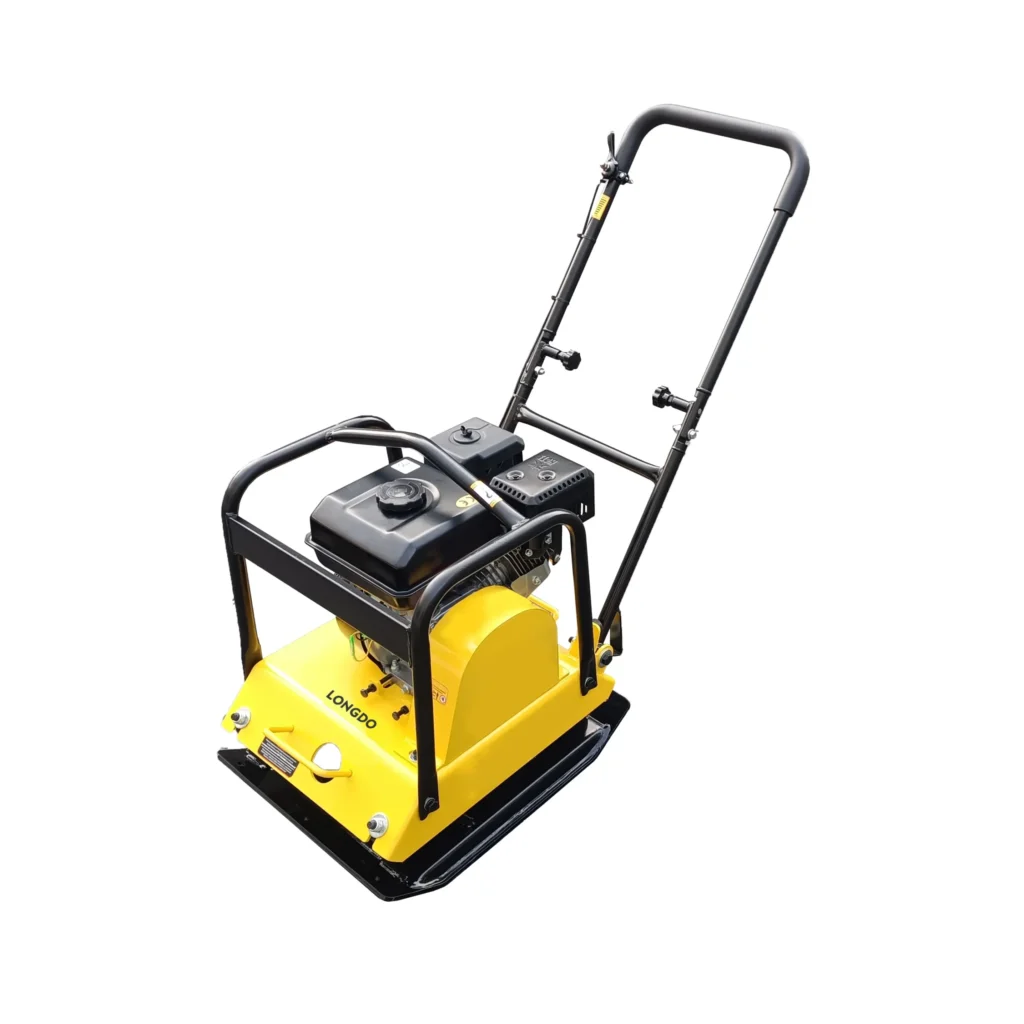
Why Is the Engine Lacking Fuel Supply?
Fuel issues are practically the number one reason these machines refuse to turn over. When working on dusty job sites, contaminants easily find their way into the gas tank. Sometimes the equipment just sat idle in the shed for way too long over the rainy season.
Stale Fuel Degrades Engine Performance
Gas goes bad faster than most people think, usually losing its kick in just a month. Drain the old gas from the tank and fill it with fresh fuel.
Clogged Fuel Filter Restricts Flow
Check the small inline filter connected to the fuel line. If it looks dark or gunky, fuel simply cannot reach the carburetor to start the combustion process.
Blocked Carburetor Jets Prevent Ignition
Tiny dirt particles easily clog the carburetor jets. Taking it apart for a quick clean with a dedicated spray usually gets the engine sputtering back to life.
Are You Dealing With Spark Plug Issues?
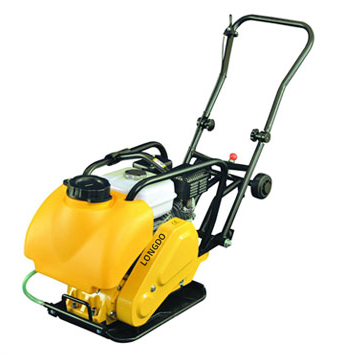
Without a good strong spark, all the fresh fuel in the world will not help you. The ignition system takes a massive beating from constant heavy vibration, making it a prime suspect when troubleshooting starts.
Fouled Spark Plug Stops the Spark
Pull the plug out and inspect the electrodes. Heavy black carbon buildup or wet oil means it is time for a quick replacement.
Incorrect Spark Plug Gap Causes Misfires
A gap that is too wide or too narrow completely throws off the ignition timing. Always check the manual to set the exact distance needed for a solid spark.
Disconnected Ignition Wire Cuts Power
Sometimes the fix is embarrassingly simple on a busy day. Heavy machine vibrations easily knock the rubber spark plug boot loose, so push it back down firmly.
Is the Oil Level Triggering the Safety Sensor?
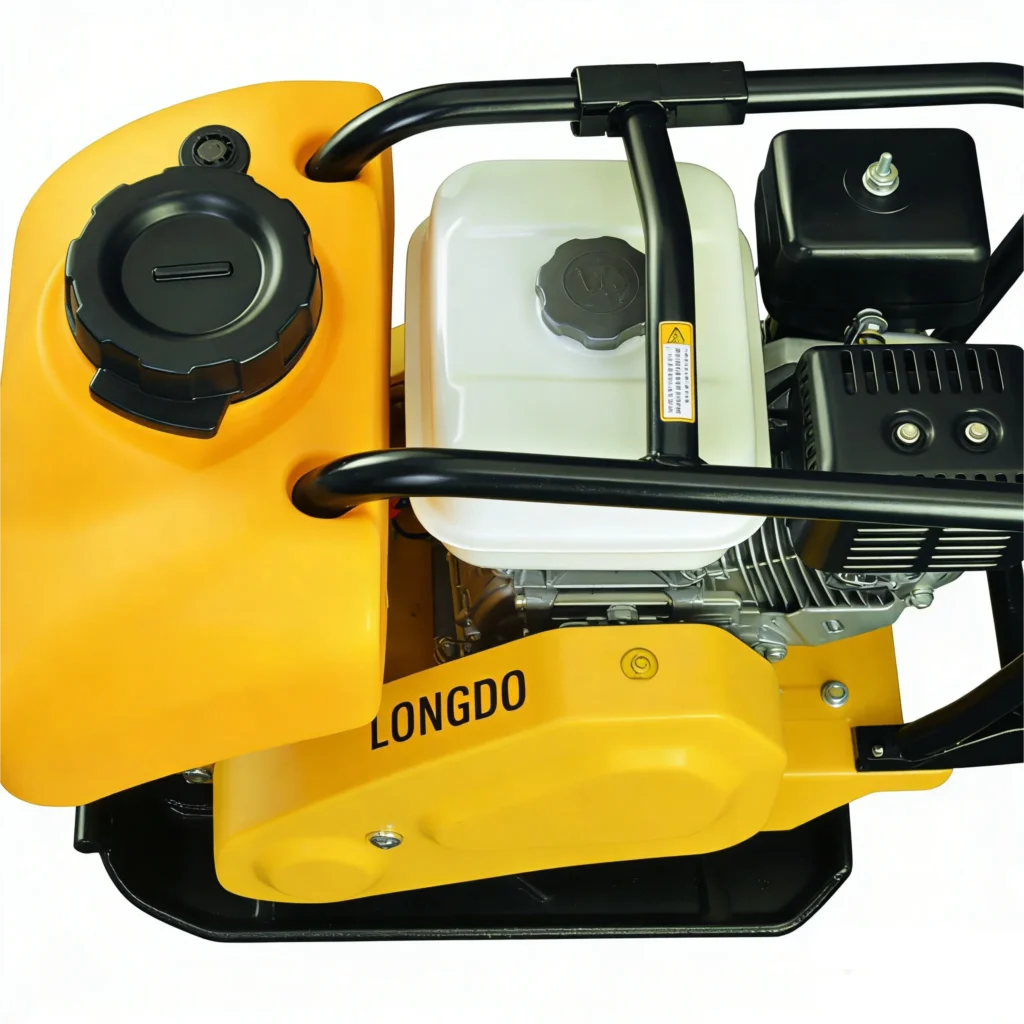
Modern compactors have built in safeguards to prevent catastrophic engine failure. This is a great feature for protecting your investment, but it often tricks operators who forget to check their fluid levels before pulling the recoil starter.
Low Oil Level Engages Automatic Shut Off
If the internal oil drops below a specific point, the safety sensor will not let the engine spark. Simply top it off to the correct line on the dipstick.
Uneven Ground Gives False Sensor Readings
Trying to start the machine on a steep slope makes the oil pool to one side. Drag the compactor to a flat surface so the sensor reads the actual fluid level.
Dirty Oil Impairs Sensor Functionality
Thick and sludgy oil messes with the low oil sensor. Keep up with routine oil changes to prevent this annoying false alarm.
Have You Checked the Air Filter and Choke?
Engines need to breathe clean air to run smoothly. Construction sites are incredibly dusty, and all that kicked up dirt goes straight toward the intake valve. Messing up the air to fuel ratio makes starting virtually impossible.
Clogged Air Filter Chokes the Engine
Tap out the loose dirt from the paper filter against your boot. You should replace it entirely if it looks like a solid brick of dust.
Incorrect Choke Position During Cold Starts
Cold engines desperately need a rich mixture to catch. Make sure the choke lever is fully closed before you try that first pull in the morning.
Flooded Engine Requires Airflow Clearing
If you smell strong gas after pulling the cord repeatedly, open the choke completely and let the machine air out for a few minutes before trying again.
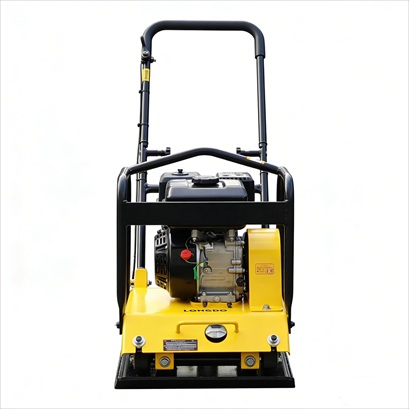
Could the Starter Mechanism Be Faulty?
Sometimes the engine itself is perfectly fine, but the physical pulling components are broken. The recoil assembly gets yanked around all day by different crew members, so mechanical wear and tear is totally inevitable.
Tangled Recoil Starter Rope Prevents Pulling
Take off the outer metal housing to untangle the nylon rope. It is a quick mechanical fix right there on the site.
Worn Starter Springs Fail to Retract
If the rope just hangs there limply after a strong pull, the internal spring snapped. You probably need to bolt on a whole new recoil assembly.
Upgrading to Reliable Equipment Saves Time
Constantly repairing old starting mechanisms eats into your daily profits. You can browse the garden & outdoor equipment to find better replacements that actually start on the first pull.
Ready to Upgrade Your Compaction Equipment?
Quick fixes only go so far in this industry. When repair costs and wasted wages start eating into your profit margins, getting a fresh and reliable machine is the smartest business move. Upgrading means fewer headaches for the crew and much better compaction results on the ground. To learn more about reliable machinery sourcing, you can read о нас or explore the professional сервис options available.
Discover the 18KN Compactor C90 for Heavy Jobs
For serious base preparation and thick materials, the Уплотнитель 18KN C90 delivers massive force. It handles the daily grind without complaining and keeps the project moving forward.
Choose the 12KN Compactor C60T for Versatility
If you need something more nimble for tight spaces, the Уплотнитель 12KN C60T is perfect for trench work and general landscaping tasks.
Contact LongdoGlobal for Professional Solutions
Stop fighting with broken gear on Monday mornings. Check out the latest новости in the industry or browse the workshop & professional tools to keep your entire fleet running smoothly.
Часто задаваемые вопросы
Q1: How often should you change the oil in a plate compactor?
A: Usually after the first 20 hours of initial use, and then every 100 hours after that.
Q2: Can you use standard car motor oil in a compactor?
A: Stick to the specific grade recommended in the manual, which is typically SAE 10W-30 for general outdoor use.
Q3: Why does the compactor vibrate wildly but not move forward?
A: The V-belt (or exciter drive belt) is likely loose or completely snapped. Check the belt tension under the side guard.
Q4: Is it safe to leave fuel in the tank for months?
A: No, fuel goes stale and gums up the entire carburetor system. Always drain it or pour in a stabilizer liquid.
Q5: What should you do if the engine smokes heavily?
A: Black smoke means a filthy air filter, while white or blue smoke usually points to burning oil inside the chamber.
