







How Does a Car Water Pump Work and How to Tell If It’s Bad?
Your engine runs hot. Really hot. Every time you turn the key and hit the gas, thousands of controlled explosions happen inside the cylinders every minute. Without a way to cool things down, the whole metal block would warp and fail in minutes. This brings up a common question: exactly what does a water pump do in a car? The short answer is it acts like the heart of the vehicle. It pumps fluid to keep the engine from melting itself into expensive scrap metal. But fluid transfer goes far beyond just vehicles. Whether you are dealing with a standard sedan or managing a heavy-duty agricultural site that needs serious water moving capabilities, the basic physics of a good pump remain the same.
What Does a Water Pump Do in a Car?
Before you can spot a problem, you need to know what happens under the hood. A car water pump sits right at the front of the engine block. Its main job is moving liquid constantly. If that liquid stops, the heat spikes immediately.
Continuous Circulation of Engine Coolant
The pump pushes a mixture of water and antifreeze from the radiator straight into the engine block. The fluid absorbs the extreme heat from the cylinders. After picking up that heat, the liquid travels back to the radiator to cool down before starting the trip all over again.
Effective Prevention of Overheating Issues
Metals expand when they get hot. If the pump stops pushing fluid, the engine pistons will literally weld themselves to the cylinders. Replacing a failed pump is a minor headache. Replacing a seized engine costs thousands of dollars and ruins your whole week.
Reliable Maintenance of Operating Temperatures
Vehicles run best between 195 and 220 degrees Fahrenheit. The pump keeps the temperature hovering right in that sweet spot.
| Engine Condition | Average Temperature (°F) | Potential Risk Level |
| Normal Operation | 195 – 220 | Safe |
| Thermostat Opening | 200 – 210 | Safe |
| Water Pump Failing | 230 – 245 | High (Check warning lights) |
| Complete Failure | 250+ | Severe (Immediate engine damage) |
How Does the Internal Mechanism Process Fluid?
When looking at what water pump does in car systems, it is surprisingly simple. It is not a smart device. It is a pure mechanical workhorse that relies on simple physics to keep fluid moving fast.
Mechanical Power from the Serpentine Belt
The pump gets its spinning power directly from the engine. A rubber drive belt wraps around a pulley on the front of the pump. As the engine turns, the belt turns the pulley. So, the faster you drive, the faster the pump spins.
Centrifugal Force Generated by the Impeller
Inside the pump housing is a small fan called an impeller. When the pulley spins, the impeller spins with it. This creates a strong outward force. It aggressively slings the coolant outward and forces it deep into the engine block passages.
Temperature Regulation via the Thermostat
The pump does not act alone. A thermostat sits in the system and acts as a gatekeeper. When the engine is cold, the thermostat stays closed so the engine can warm up quickly. Once it hits the right temperature, the thermostat opens, and the pump blasts cold fluid through the system.
How to Tell If Water Pump Is Bad Before Complete Failure?
Nobody wants to be stuck on the side of the highway with a smoking engine. You need to know how to tell if water pump is bad before the temperature needle completely pins itself into the red zone. The signs are usually quite obvious if you know what to look for.
Visible Coolant Puddles under the Engine
The most common sign of failure is a leak. Water pumps have internal seals and a weep hole. When the internal bearings start to fail, fluid will drip out of this small hole. If you see a bright green, orange, or pink puddle on your driveway, check the pump immediately.
Unusual Whining Noises during Acceleration
Listen closely when you start the car. A failing pump bearing will make a high-pitched squealing or whining sound. Sometimes people mistake this for a loose belt. If the sound gets louder as you rev the engine, the internal bearings are probably grinding together.
Sudden Overheating on the Temperature Gauge
If your dashboard temperature gauge starts creeping up higher than normal, pull over. A dying pump simply cannot move enough fluid to keep up with the engine heat. Ignoring this warning light will destroy your vehicle.
Why Should Buyers Choose LongdoGlobal for Heavy-Duty Pumps?
While your car relies on a small belt-driven pump, commercial and agricultural tasks demand standalone power. Moving huge volumes of water across a farm or construction site requires industrial strength. This is where you upgrade from automotive components to serious commercial machinery.
Advanced Manufacturing in the Export Industry
Finding a reliable supplier for heavy machinery takes time. You want a company with a proven track record. If you look at the history of LongdoGlobal, you will see a deep background in professional equipment export. They build machines meant to run all day in terrible weather conditions.
High Efficiency of Gasoline Clean Water Pumps
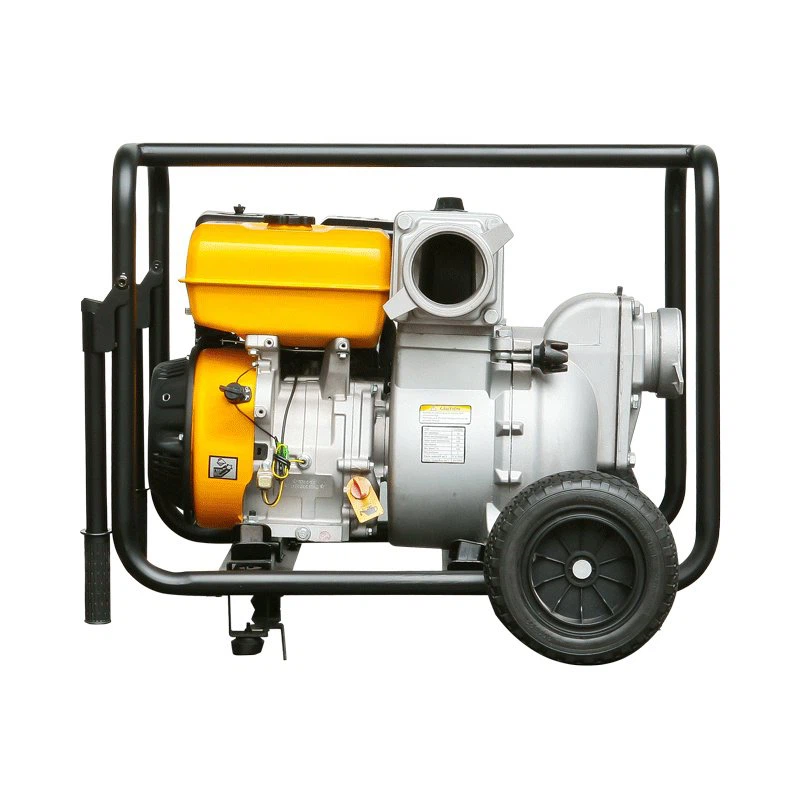
Sometimes you just need to move a massive amount of water quickly out of a pool or a flooded basement. The Pompes à eau propres à essence (série ZB) is built specifically for this. It is a portable powerhouse. You fuel it up, drop the hose in, and it aggressively clears out standing water without needing an electrical outlet.
Powerful Performance of Gasoline High-Lift Water Pumps
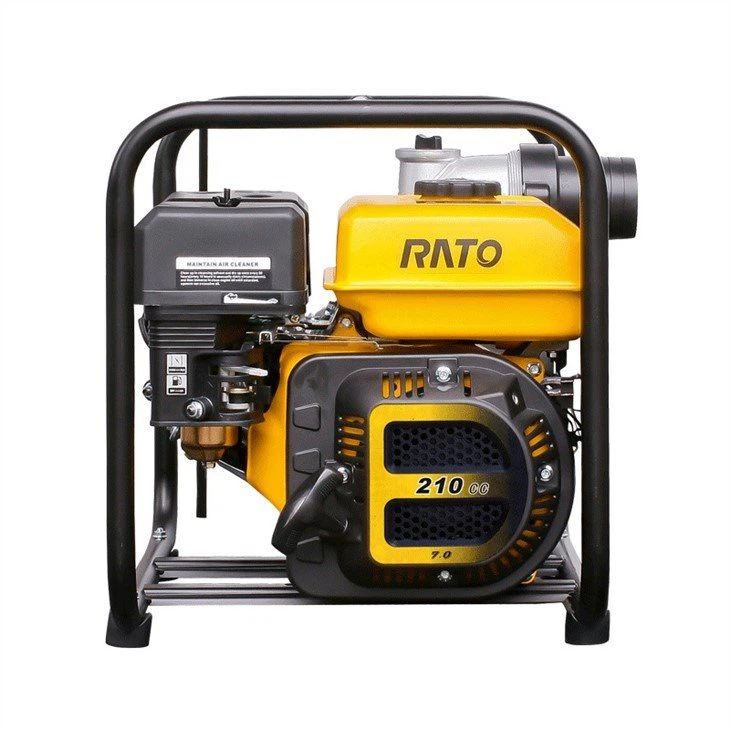
Pushing water up a steep hill requires completely different engineering. You need high pressure. The Pompes à eau à haute pression à essence (série YB) handles extreme elevation changes. If you are feeding an irrigation system on a sloped farm, this unit has the internal pressure to force liquid exactly where you need it.
How Can You Integrate LongdoGlobal Products into Your Operations?
Buying good equipment is the first step. Setting it up to actually make your daily work easier is the real goal.
Exploration of Garden and Outdoor Equipment
Pumps are just one part of site management. You might need chainsaws, generators, or tillers to finish a job. Browse the full range of Garden and Outdoor Equipment to match your exact power needs.
FAQ
Q1: How long does a standard car water pump usually last?
A: Most last between 60,000 and 90,000 miles. It heavily depends on whether you flush your coolant regularly.
Q2: Can you drive a vehicle with a leaking pump?
A: You can, but it is a massive risk. A small drip can turn into a blown seal in minutes and ruin your engine block completely.
Q3: What makes a high-lift pump different from a clean water pump?
A: High-lift models are engineered with tighter impeller clearances to build extreme pressure. They push water up steep hills, whereas clean water models focus on moving high volumes on flat ground.
Q4: Do these gasoline pumps require mixed fuel?
A: It depends on the specific engine type. Most heavy-duty 4-stroke models take standard straight gasoline, but you should always check the manual first.
Q5: How do you prime a gasoline water pump before starting it?
A: You just need to fill the main pump chamber with water before pulling the starter cord. Running the chamber dry will burn out the mechanical seals inside.
