







How to Use a Plate Compactor: A Complete Step-by-Step Guide
Operating a plate compactor might look intimidating the first time you walk up to one on a job site. The heavy vibration and loud engine noise make it clear this is serious machinery. Whether you are prepping a driveway base or tamping down soil for a patio, knowing exactly how to handle the equipment makes the job safer and gets the ground solid. Before firing up any motor, taking a quick look at the overall project requirements helps a lot. Finding the right tools matters just as much as your physical technique. If you want to know who builds dependable gear for tough environments, check out more about the team behind LongdoGlobal. They focus on manufacturing solid machinery that handles the rough daily grind of construction work. Let’s break down the practical steps to get that soil perfectly flat.
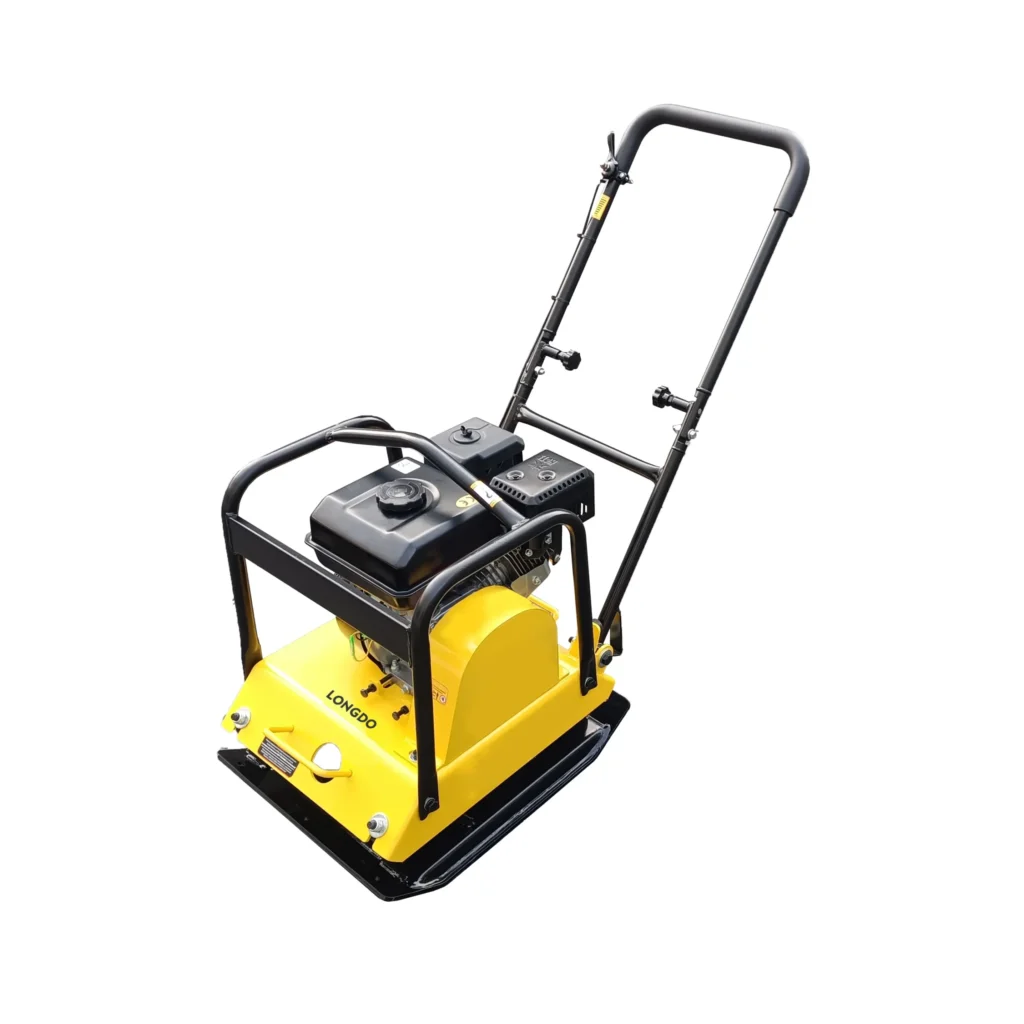
What Should You Check Before Starting a Plate Compactor?
Jumping straight to the pull cord is a rookie mistake. A quick walk-around inspection takes maybe two minutes but prevents hours of frustrating delays or sudden breakdowns in the middle of a dirt trench.
Fuel and Engine Oil Levels
Check the gas tank and the oil dipstick first. Running a commercial engine dry will ruin the internal components fast. Keep the oil level right at the upper mark of the dipstick so the engine stays lubricated under heavy shaking.
Essential Personal Protective Equipment
The noise from a running machine easily tops 90 decibels. Grab heavy-duty ear muffs, thick work gloves to absorb the vibration, and steel-toed boots. Regular sneakers will not protect your toes if the heavy steel plate slides back unexpectedly.
Work Area Surface Inspection
Look at the dirt or gravel you plan to compact. Pick up large rocks, pieces of scrap wood, and tangled roots. Hitting a hidden piece of rebar sends violent shocks right up your arms and can chip the bottom steel plate.
How Do You Safely Start the Compactor Engine?
Getting the motor running involves a specific sequence of switches and valves. Cold engines need a bit of extra fuel vapor to catch, while a warm engine might start on the very first pull.
Positioning the Choke and Fuel Valve
Turn the fuel valve to the open position so gas flows straight to the carburetor. If the machine sat overnight, slide the choke lever fully closed. Set the main engine switch to the “On” position.
Pulling the Recoil Starter Correctly
Grab the starter grip firmly. Pull it out slowly until you feel resistance catching inside the mechanism. Once you hit that spot, give it a sharp, rapid pull. Sometimes the cord feels stuck on freezing mornings; just let it retract completely and try again.
Letting the Engine Warm Up
When the motor roars to life, slowly open the choke. Do not immediately pin the throttle. Let the machine idle for about three minutes to get the oil circulating properly through the block before putting it under a heavy load.
How Can You Operate a Plate Compactor Effectively?
Moving tons of dirt requires letting the machine do the heavy lifting. Pushing too hard exhausts your arms and creates uneven, wavy patches in the soil. Equipment from a reliable source like LongdoGlobal practically drives itself forward when running at full speed.
Guiding the Machine Without Forcing It
Hold the handle with a relaxed grip. The forward vibration naturally pulls the compactor across the ground. Your job is just steering. Fighting the forward momentum usually means you end up with sore shoulders by lunchtime.
Overlapping the Compaction Passes
Work in straight, clean lines. As you turn around for the next pass, overlap the previous track by about two to three inches. This prevents loose ridges of dirt from forming between your runs.
Adjusting the Throttle for Desired Force
Push the throttle wide open when you actually start tamping. Running at half-speed causes the internal clutch to slip and burn out prematurely. Full throttle delivers the maximum strike force to the soil beneath.
| Soil Type | Suggested Lift Depth (Inches) | Compactor Passes Required |
| Granular (Gravel/Sand) | 4 to 6 | 3 to 4 |
| Cohesive (Clay/Silt) | 2 to 3 | 4 to 6 |
| Asphalt Base | 2 to 4 | 2 to 3 |
How Do You Steer and Turn the Equipment?
Turning a heavy steel plate vibrating at thousands of times per minute takes a bit of finesse. You guide it through corners smoothly rather than forcing it like a push lawnmower.
Using Body Weight for Direction Control
Instead of wrestling the handle with your arms, step slightly to the side and lean your hips into the turn. The machine will naturally pivot in the direction you shift your mass.
Pivoting the Handle Safely
When you reach the end of a run, push down slightly on the handle to lift the front edge of the plate just a fraction of an inch. Then swing the rear around. Dragging the whole flat plate across the dirt ruins your smooth finish.
Reversing the Compactor Smoothly
Most standard forward-plate compactors do not have a reverse gear. You have to manually drag it backward or spin it 180 degrees. If you are doing a lot of narrow trench work, a reversible model handles this automatically with a lever switch.
What Are the Critical Safety Precautions During Operation?
Heavy machinery poses serious physical risks if handled carelessly. Staying alert keeps your feet intact and prevents the equipment from tipping over on a tricky slope or wet mud.
Avoiding Steep Slopes and Uneven Terrain
Never run the machine across the side of a steep hill. Always operate moving straight up or straight down the incline. Sideways operation often causes the heavy frame to roll over onto the operator.
Keeping Clear of Trenches and Edges
Stay at least three feet away from the unsupported edge of a deep ditch. The heavy vibration easily collapses loose dirt walls, sending both the machine and you tumbling down into the hole.
Shutting Down the Machine in Emergencies
If the unit starts bouncing violently or making a grinding metal sound, hit the engine kill switch instantly. Never try to stabilize a malfunctioning compactor by grabbing the vibrating base plate.
Which LongdoGlobal Plate Compactors Suit Your Project?
Matching the right compaction force to the job saves hours of manual labor. Trying to compact heavy clay with an underpowered machine just wastes fuel and leaves the ground soft. Exploring a full catalog of matériel de construction helps you find the exact match for your specific site needs.
Versatile Performance with the 18KN Compactor C90
For standard landscaping, paving residential driveways, and fixing up sidewalks, the Compacteur 18KN C90 hits the sweet spot. It offers enough force to pack down gravel tightly but remains relatively easy to load into the back of a pickup truck by two people.
Heavy-Duty Compaction with the 22KN Compactor C125
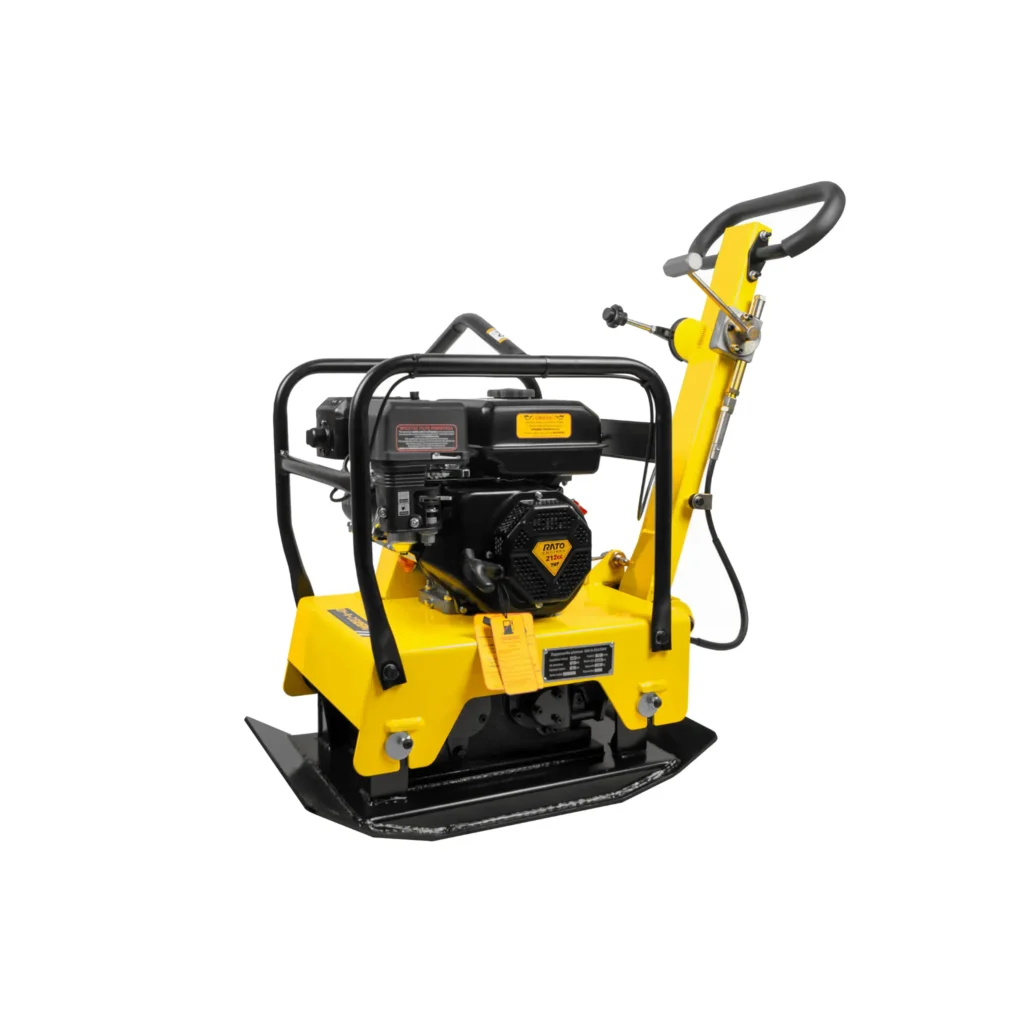
Bigger commercial foundations and deep trench lines require significantly more strike energy. The Compacteur 22KN C125 delivers deep soil penetration. The heavier weight means you make fewer passes over the same patch of dirt to reach the required density.
Choosing Reliable Construction Equipment from LongdoGlobal
Sourcing dependable gear directly impacts your project deadlines and bottom line. A solid machine reduces downtime and keeps the crew moving forward on schedule without waiting for repairs.
How Do You Maintain Your Compactor After Use?
Tossing the machine into a dusty shed without cleaning it guarantees starting problems next season. A few minutes of basic care extend the engine life drastically. Keeping an eye on industry news often provides great reminders about seasonal maintenance routines.
Cleaning the Base Plate Thoroughly
Wait for the exhaust muffler to cool down completely. Then scrape off stuck mud, asphalt chunks, and clay from the bottom steel plate. Hardened concrete ruins the smooth sliding action for the next job.
Storing the Machine in a Dry Place
Cover the unit with a heavy tarp if it has to stay outside on the site. Rainwater seeping into the air filter or carburetor creates rust that destroys small engines in a matter of weeks.
Scheduling Regular Professional Servicing
Change the exciter oil in the vibration unit every 200 hours of run time. Most people forget this part entirely and only change the engine oil. Check the drive belt tension weekly to keep the vibration hitting hard.
FAQ
Q1: Do you need to wet the dirt before using a plate compactor?
A: Yes, a little bit of moisture helps bind the dust and soil particles together. Just sprinkle some water on the ground with a hose, but stop if mud starts sticking to the bottom of the plate.
Q2: Can a plate compactor run on concrete?
A: No, running the heavy steel plate directly on hard concrete will damage both the machine and the concrete surface. Use a thick polyurethane paving pad attached to the bottom if you are tamping down brick pavers.
Q3: How fast does a plate compactor move?
A: A typical machine travels at a slow walking pace of about 50 to 80 feet per minute, depending heavily on the soil type and engine size.
Q4: What kind of fuel should go into the engine?
A: Use fresh, unleaded gasoline with an octane rating of 87 or higher. Avoid gas with more than 10 percent ethanol because it slowly clogs small engine carburetors over time.
Q5: How many times should you go over the same spot?
A: Three to four passes usually pack down standard gravel or soil perfectly. Going over the exact same spot too many times can actually break apart the soil structure and make it loose again.
