







Plate Compactor Not Vibrating? Step-by-Step Troubleshooting Guide
Construction deadlines never wait for broken machinery. When a compactor engine roars to life but the heavy iron plate just sits there shaking weakly—or not vibrating at all—your whole site grinds to a halt. The costs of idle workers and stalled paving schedules add up fast.
Before hauling the unit back to the shop, you can often diagnose and fix these mechanical failures right in the dirt. This guide will walk you through the exact steps to get your dead machine moving again.
SAFETY FIRST: Always disconnect the spark plug wire before inspecting belts, pulleys, or moving parts to prevent accidental engine starts!
🛠️ Essential Tools for On-Site Diagnosis
Before tearing into the machine, grab these basics from your truck:
- Socket wrench set (for removing the belt guard)
- Replacement V-belt (matching your machine’s spec)
- Exciter box fluid (refer to your manual, usually a light hydraulic oil or ATF)
- Clean rags and a flashlight
Quick Diagnostic Matrix
Use this rapid reference table to pinpoint the most likely culprit based on how your machine is acting on the job site:
| Symptom | Possible Culprit | Quick Action |
| Engine runs, zero vibration | Broken or slipping drive belt | Remove the guard and check belt tension. |
| Weak, sluggish jumping | Low RPM or faulty clutch | Inspect the air filter and throttle cable. |
| Grinding metallic noise | Destroyed exciter bearings | Check exciter oil levels and casing heat. |
3-Step Field Inspection Process
The disconnect between the engine and the ground almost always happens in the power transfer path. Follow this process of elimination.
Step 1: Check Drive Belt Tension and Wear
A loose or chewed-up drive belt fails to transfer engine rotation down to the exciter box.
- Pop the metal guard off.
- Press hard on the center of the V-belt with your thumb. If it deflects more than half an inch, it is definitely slipping under load.
- To fix: Loosen the four engine mount bolts, slide the engine block forward slightly to tighten the belt, and secure the bolts. Never pry a new belt over the pulleys with a screwdriver, or you will bend the rim.
Step 2: Test Centrifugal Clutch Engagement
Centrifugal clutches need high rotational speed to throw their internal shoes outward and grip the drum.
- The 3600 RPM Rule: The engine must hit roughly 3600 RPM for proper engagement.
- With the belt off, rev the motor. You should hear the metallic click of the clutch shoes snapping outward.
- Look at the clutch bell. If you see glazed or blue-tinted metal, it has severely overheated from slipping and requires a full replacement.
(Note: If your engine is sputtering and cannot reach high RPMs, read our complete guide on Small Engine Won’t Start: Diagnostic Guide to fix carburetor and spark issues first.)
Step 3: Verify Exciter Box Fluid and Bearings
The exciter housing is the actual beating heart of the soil compaction process. A completely dry exciter housing destroys internal bearings fast.
- Wipe the mud off the sight glass or pull the filler plug. The fluid should sit right around the halfway mark of the chamber.
- If the fluid looks like dark metallic sludge, drain it immediately.
- Look closely at the joint where the exciter meets the base plate. Wet dirt caked thickly around the housing usually points to a blown rubber oil seal that is quietly draining your fluid away.
When Is It Time to Upgrade Your Compactor?
If your exciter box bearings are completely shattered, pressing new ones requires a shop press, massive downtime, and expensive labor. Often, the repair costs outweigh the machine’s remaining value.
Upgrading to modern, heavy-duty machinery prevents these random breakdowns. Contractors trust the robust builds found across the LongdoGlobal equipment line:
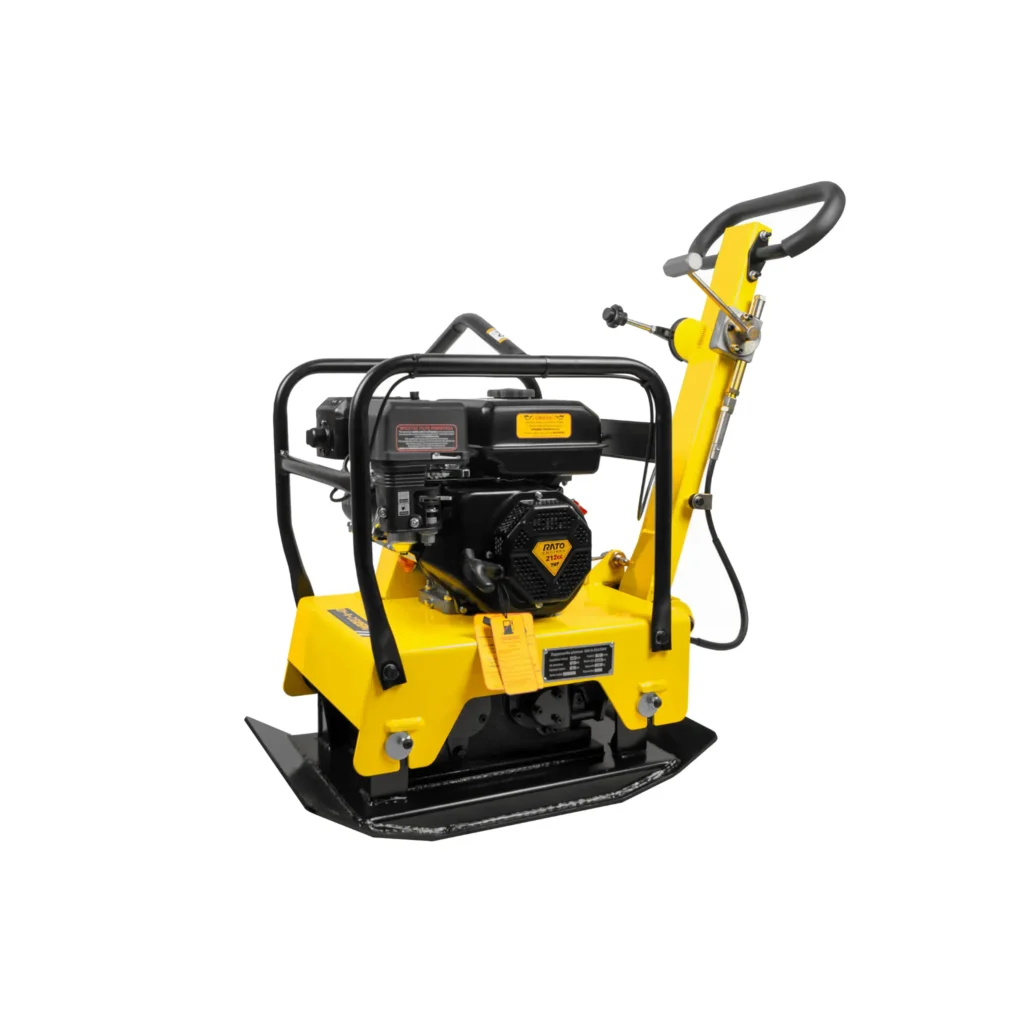
- 22KN Compactor C125: Ideal for standard trench work. Upgraded with heavy-duty clutches to prevent the exact overheating and slipping issues mentioned above.
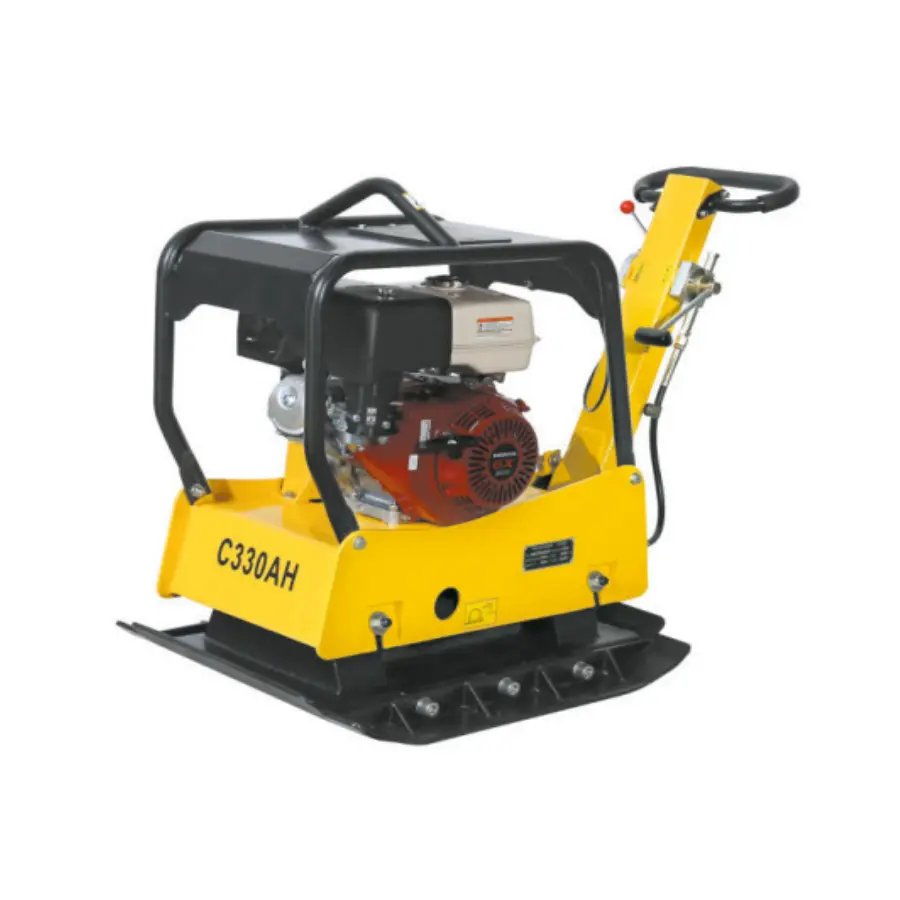
- 38KN Compactor C330: Built for deep lifts of granular soil. Its superior mass and reinforced drive belts handle brutal strain without stretching or snapping.
Explore our full range of [Insert Link: Construction Equipment] to keep your crews working without interruption.
Frequently Asked Questions (FAQ)
Q1: How often should you change the oil in the exciter box?
Generally, you should drop the original break-in oil after the first 50 hours of operation, and then replace it every 200 hours after that to prevent bearing wear.
Q2: Can I use standard motor oil in the vibration unit?
Check your specific manual, but most manufacturers specifically call for automatic transmission fluid (ATF) or a lighter-grade hydraulic oil. Thick motor oil creates too much internal resistance and can cause weak vibration.
Q3: What causes drive belts to snap repeatedly in the same week?
If you keep tearing through belts, the engine pulley and the exciter pulley are likely misaligned. This causes the V-belt edges to scrape aggressively against the metal flanges until they snap.
Q4: Should I run the engine at half-throttle for lighter compaction?
No. Always run plate compactors at wide-open throttle. Running at half-throttle prevents the clutch from fully locking, causing it to slip, overheat, and burn out quickly.
