







How to Choose the Right Agricultural Water Pump: Irrigation, Drainage, and Gasoline Semi-Trash Pump Guide
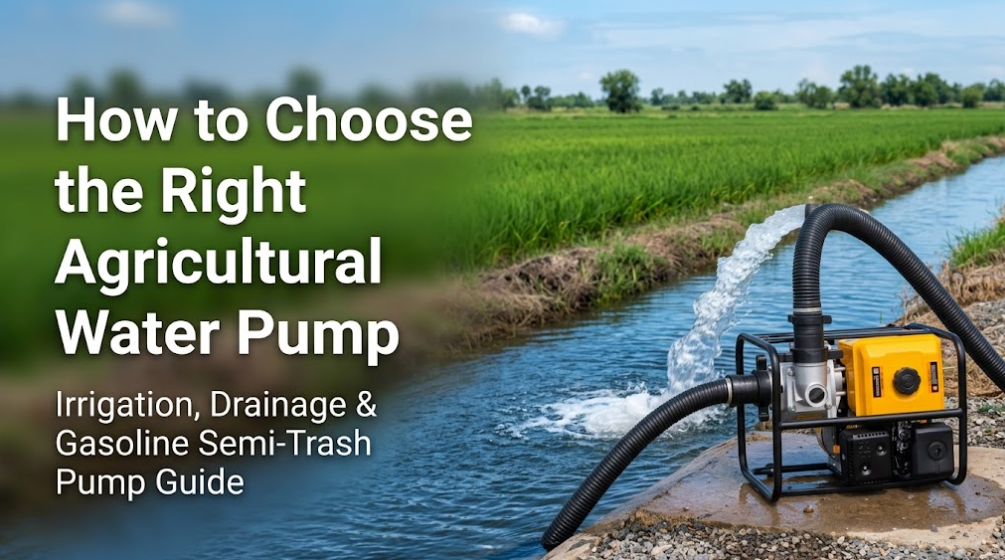
Agricultural water management is a key part of modern farming. Whether you are supplying water to crops, transferring water from ponds, or removing excess water after heavy rain, choosing the right agricultural water pump directly affects efficiency, operating costs, and equipment life.
Many buyers face the same questions before purchasing: Should you choose a clean water pump or a semi-trash pump? What flow rate is suitable for your farm? Is a gasoline water pump better for remote agricultural areas?
Choosing the right equipment depends on your actual working environment, water quality, and daily requirements. As a professional equipment supplier, LongdoGlobal provides industrial-grade machinery and outdoor equipment solutions for customers who need reliable performance in demanding conditions. Its Garden & Outdoor Equipment category covers practical equipment designed for agricultural, commercial, and outdoor applications.
This guide explains the key factors you should consider before selecting an agricultural water pump and why gasoline semi-trash pumps have become a popular choice for many farming and drainage applications.
What Types of Agricultural Water Pumps Do You Need?
Before choosing an agricultural water pump, you need to understand your working environment. Different farms have different water sources, and the type of water being pumped often determines which pump is suitable.
For basic crop watering tasks, an irrigation water pump designed for clean water sources can provide efficient water transfer with lower maintenance requirements. They offer good efficiency but are not designed for water containing mud, leaves, or small particles.
For many agricultural applications, water conditions are not always perfect. Irrigation ponds, rivers, and drainage areas may contain sediment, organic materials, or small debris. In these situations, a semi-trash pump can be a more practical solution.
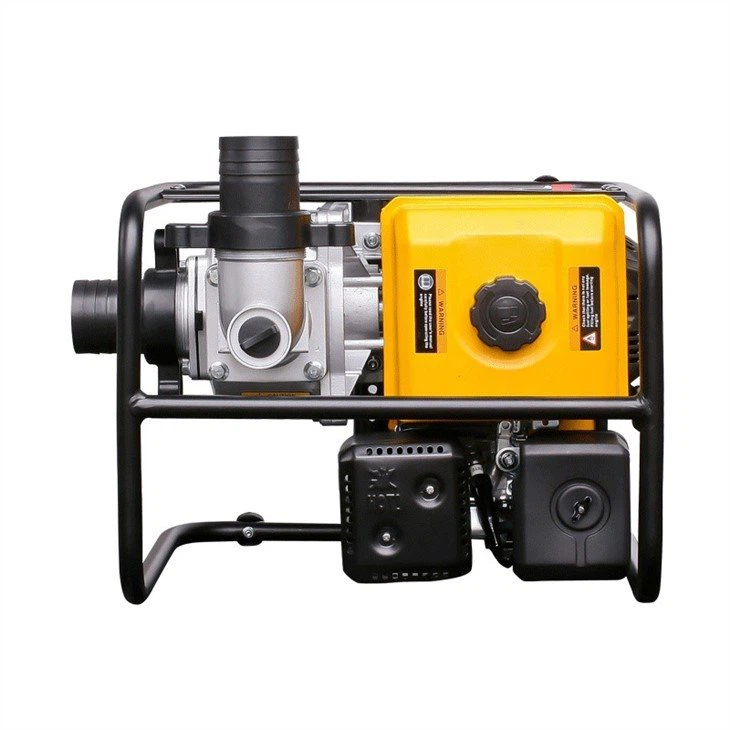
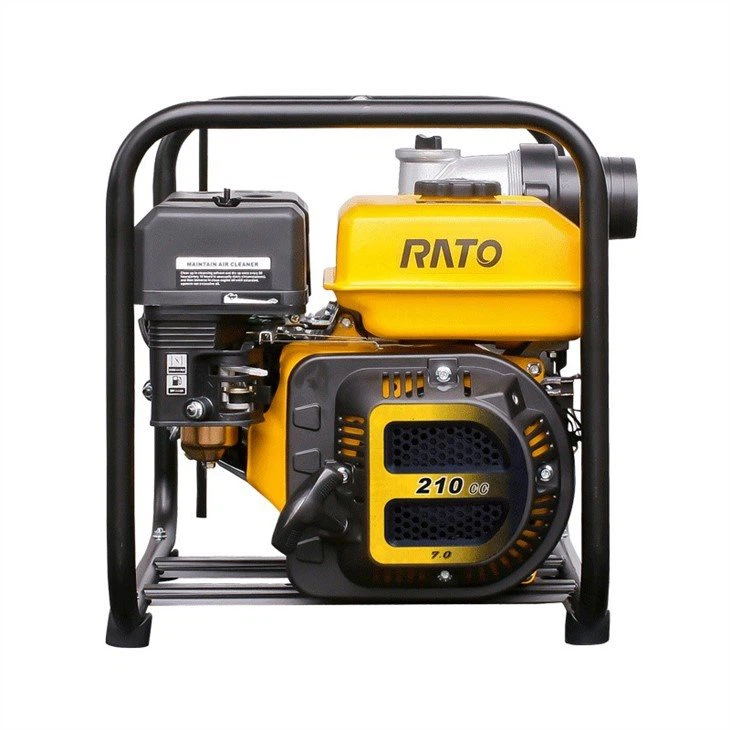
A gasoline semi-trash pump is designed to handle water with moderate amounts of solids while maintaining stable pumping performance. Compared with standard clean water pumps, it provides better resistance against clogging and is suitable for:
- Farm irrigation
- Pond water transfer
- Field drainage
- Rainwater removal
- Agricultural water supply
For farms that require both mobility and durability, a semi-trash pump provides a balance between clean water pumps and heavy-duty trash pumps. Trash pumps are typically used for more demanding conditions, such as construction drainage or flood cleanup where larger solid particles may be present.
How Do You Choose the Right Agricultural Water Pump?
Selecting an agricultural water pump is not only about choosing a powerful machine. The right pump should match your water source, required flow, working distance, and operating conditions.
Check Your Water Source and Water Quality
The first step is identifying where the water comes from and what materials may be inside it.
A water source can include:
- Irrigation ponds
- Rivers
- Lakes
- Wells
- Water storage tanks
If the water is clean, a standard irrigation water pump may be enough. However, if the water contains mud, sand, leaves, or other small debris, a semi-trash pump is usually a better choice.
Many pump problems happen because buyers select equipment based only on price or horsepower. A pump that works well with clean water may experience frequent blockage when used in muddy agricultural environments.
Consider Flow Rate, Pump Size, and Pumping Distance
Flow rate is one of the most important factors when choosing a water pump. It determines how much water can be moved within a specific period.
You should consider:
- Required water volume
- Irrigation area size
- Pumping distance
- Suction height
A small farm may only need a compact pump, while larger agricultural operations may require higher flow capacity.
Pump size is also important. Common options include:
- 2-inch pumps for smaller water transfer tasks
- 3-inch pumps for general farm irrigation and drainage
- 4-inch pumps for higher-volume water movement
Choosing a pump that is too small can reduce efficiency, while selecting an oversized pump may increase fuel consumption without providing extra value.
Choose Between Gasoline and Electric Water Pumps
Power source is another important consideration, especially for farms located away from reliable electricity.
A gasoline water pump provides several advantages:
- Easy transportation
- Flexible outdoor operation
- No fixed power connection required
- Suitable for emergency water removal
Electric pumps can work well in locations with stable power access, but gasoline models are often more practical for remote farms, temporary irrigation systems, and outdoor applications.
Why Are Gasoline Semi-Trash Pumps Suitable for Agricultural Applications?
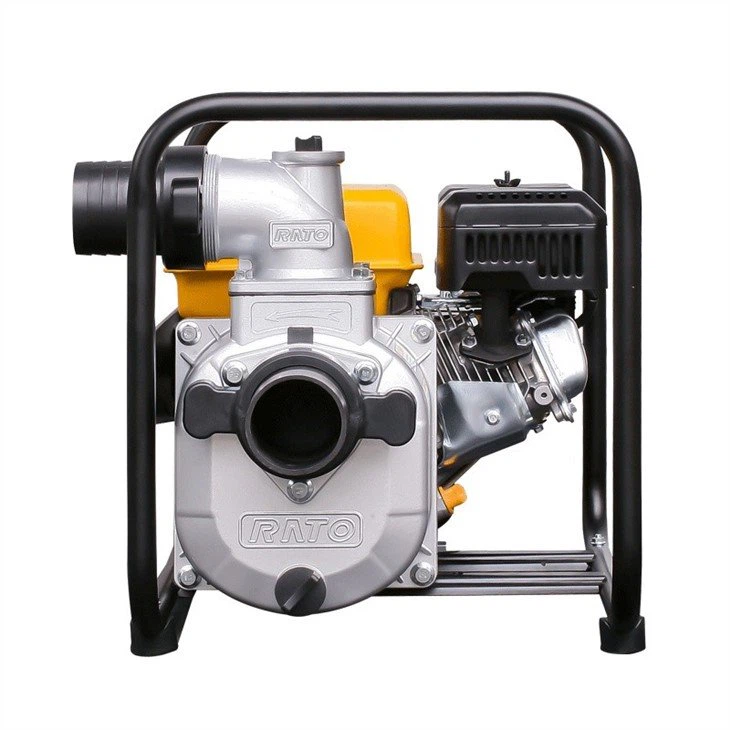
Agricultural environments are often unpredictable. Water conditions can change with weather, seasons, and farming activities. This is why many users choose gasoline semi-trash pumps for irrigation and drainage tasks.
A gasoline semi-trash pump can handle water containing small amounts of solids while providing the mobility needed for outdoor operations.
The main advantages include:
Better performance in muddy water conditions
Farm water sources often contain soil particles, plant materials, or other debris. Semi-trash pumps are designed for these conditions, helping reduce interruptions caused by clogging.
Portable operation for different locations
Unlike fixed pumping systems, gasoline-powered pumps can be moved between fields, ponds, and drainage areas. This flexibility is especially useful for farms with multiple water sources.
Suitable for irrigation and drainage needs
The same pump can support different agricultural tasks, including crop irrigation, pond water transfer, and removing excess water after rainfall.
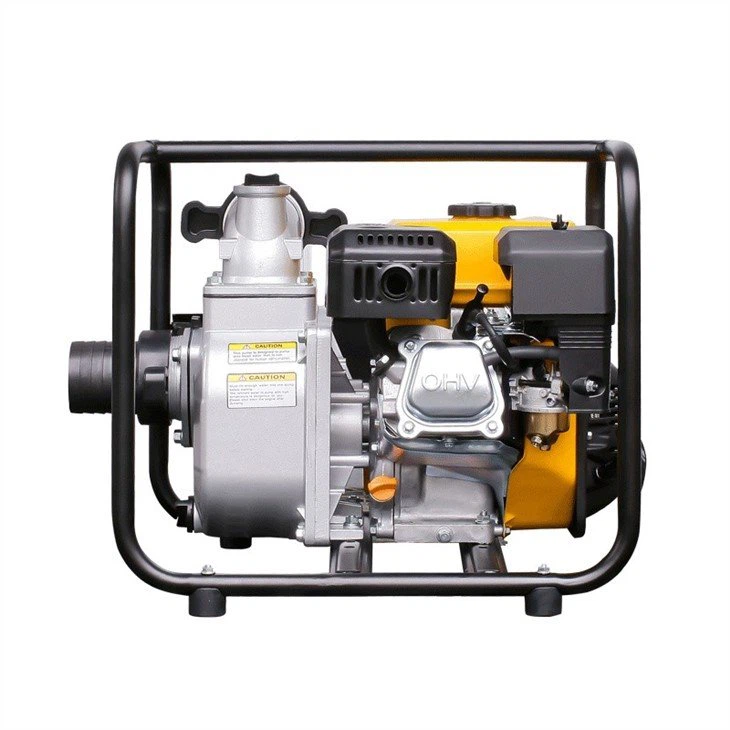
For customers looking for a reliable solution, Gasoline Agricultural Semi-Trash Pumps WB Series are designed for professional agricultural applications that require strong performance and convenient operation.
How Can You Avoid Common Agricultural Water Pump Problems?
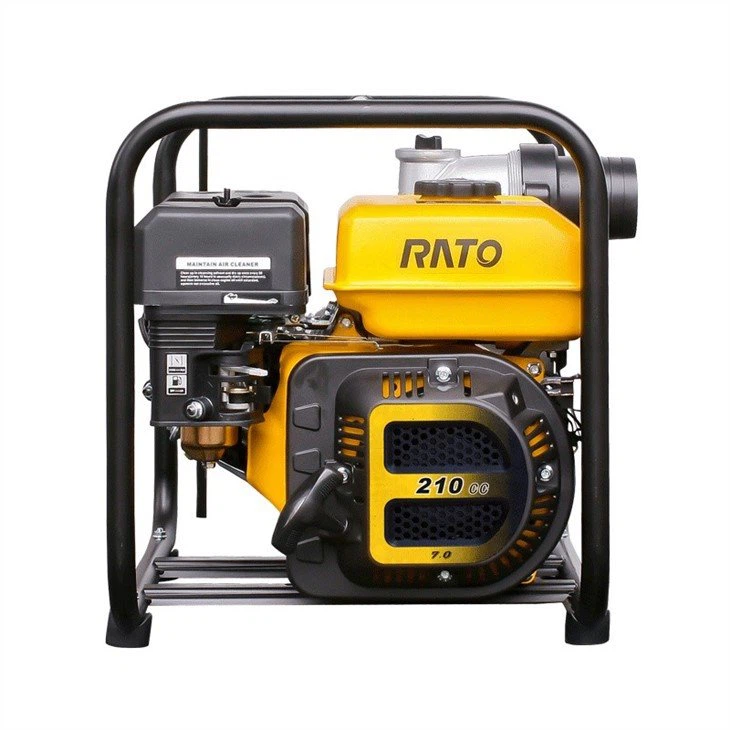
Even a high-quality pump requires proper selection and maintenance. Many common issues can be avoided by matching the equipment with the actual application.
Pump clogging
Clogging usually happens when a standard clean water pump is used with muddy water or debris. Choosing a semi-trash pump can help reduce this problem.
Low water output
Insufficient flow may result from incorrect pump sizing, excessive pumping distance, or unsuitable operating conditions. Always check the required capacity before purchase.
High operating costs
Fuel consumption and maintenance costs increase when a pump is not matched with the workload. Selecting the correct pump size helps maintain better efficiency over time.
Regular maintenance also matters. Cleaning debris, checking hoses, inspecting fuel systems, and avoiding dry operation can extend the service life of your equipment.
Why Choose LongdoGlobal for Agricultural Water Pump Solutions?
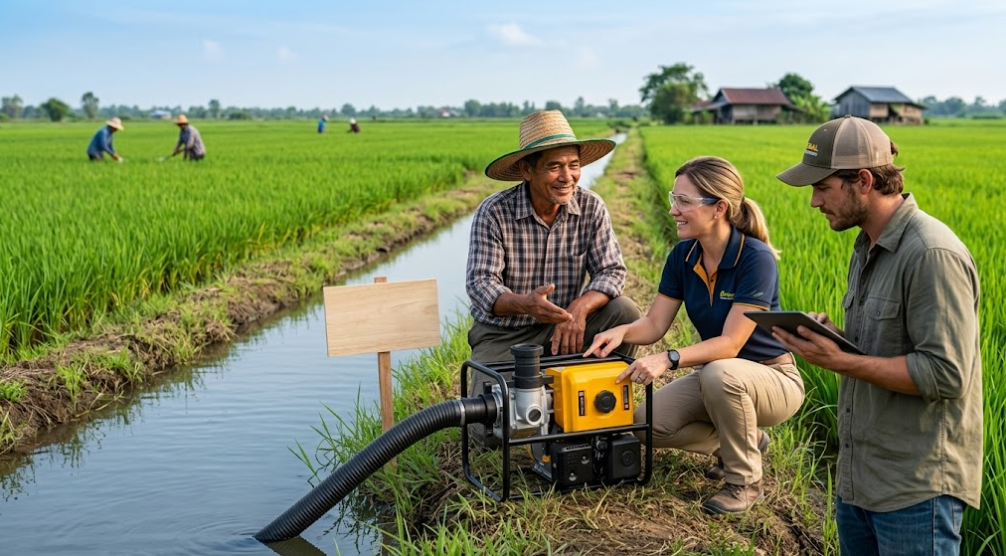
When purchasing industrial equipment, buyers need more than just a product. They need a supplier that understands application requirements and provides dependable solutions.
LongdoGlobal focuses on professional-grade machinery and equipment for global customers, including agricultural users, distributors, and commercial buyers.
A reliable agricultural pump supplier should provide:
- Suitable equipment recommendations
- Stable product quality
- Support for different application scenarios
- Practical solutions for long-term use
Whether you need an agricultural water pump for irrigation, drainage, or water transfer, choosing the right equipment supplier can help reduce operating problems and improve productivity.
For more professional equipment solutions, you can explore LongdoGlobal’s official website and find suitable machinery for your business needs.
FAQ
Q: What type of water pump is best for agricultural irrigation?
A: The best agricultural water pump depends on your water source and application. Clean water pumps work well for clear water, while semi-trash pumps are better for irrigation areas with mud, sediment, or small debris.
Q: Can a gasoline water pump handle muddy water?
A: Yes. A gasoline semi-trash pump is designed to handle water containing moderate amounts of solids, making it suitable for many farm irrigation and drainage applications.
Q: What is the difference between a semi-trash pump and a trash pump?
A: A semi-trash pump is designed for water with small amounts of solids, while a trash pump is built for heavier debris and more demanding drainage conditions.
Q: How do you choose the right pump size for a farm?
A: You should consider water volume requirements, irrigation area, pumping distance, suction height, and how frequently the pump will be used.
Q: Why choose a gasoline pump instead of an electric pump?
A: Gasoline pumps offer better mobility and can operate in locations without reliable electricity, making them practical for remote farms and outdoor applications.
