







The Ultimate Guide to Asphalt Compaction: Hot vs. Cold Patching
Getting a pothole or a cracked driveway to look smooth and stay solid takes more than just throwing some blacktop into a hole. A staggering number of paving jobs fail prematurely simply because contractors choose the wrong patching material or perform sloppy compaction.
When asphalt sticks to the bottom of your compactor plate, it leaves a ruined, uneven surface that requires scraping, reheating, and rework. To tackle this, you need a deep understanding of materials and reliable machinery. If you want gear that actually stands up to real job site abuse, LongdoGlobal provides industrial-grade equipment designed for professional paving crews.
Hot Mix vs. Cold Patching: A Comprehensive Comparison
Picking the right material before you fire up the engine is half the battle. If you grab the wrong asphalt for the weather or the traffic load, the patch will likely sink or wash away by next season. Here is a quick reference guide to help you choose:
| Feature | Hot Mix Asphalt (HMA) | Cold Patch Asphalt |
| Workable Temperature | 275°F – 300°F (Requires heating) | Ambient temperatures (Even freezing) |
| Durability | Permanent, high structural strength | Temporary/Semi-permanent |
| Curing Process | Cools and hardens rapidly | Solvent evaporation (takes weeks) |
| Best Application | Highways, full driveways, commercial lots | Emergency pothole repairs, winter fixes |
| Compaction Equipment | Heavy-duty plate compactors, road rollers | Standard plate compactors, hand tampers |
1. Heat Variations During the Installation Process
Hot mix needs to stay extremely hot to remain workable. You are looking at optimal paving temperatures above 275°F (135°C). As it cools, it becomes increasingly difficult to compact. Cold patch, on the other hand, is much easier to handle. You can literally shovel it out of a bag at ambient temperatures, making it the only viable option during harsh winter months.
2. Structural Strength for Long-Term Durability
Hot mix cures into a hard, permanent road surface capable of withstanding heavy commercial truck traffic. Cold patching is primarily a temporary fix. It stays somewhat flexible and is mostly used to eliminate road hazards and make a street safe until a permanent, hot-mix repair can be executed in the spring.
How to Prevent Asphalt from Sticking to the Plate?
Nothing kills your momentum faster than a messy compactor bottom. When hot tar globs onto the steel plate, you end up dragging material across the fresh patch, ripping up the smooth finish you just spent an hour building.
- Utilize a Water Tank Plate Compactor: Running dry metal over hot tar is a disaster waiting to happen. A dedicated water tank plate compactor fixes this by dropping a constant liquid barrier between the machine and the sticky surface.
- Activate the Built-in Sprinkler System: Splashing water from a bucket simply does not provide even coverage. A professional machine features a built-in sprinkler tube that drips water uniformly across the entire front edge of the plate.
- Maintain Optimal Base Plate Moisture: Contractor Tip: Too much water cools the hot mix too rapidly and ruins the chemical bond. You want the plate just wet enough so it glides smoothly over the blacktop—like a hot iron on a shirt.
Best Practices: Creating a Perfectly Seamless Paving Finish
Getting the material into the hole is the easy part. Making the final surface look like a professional crew did the job takes timing and proper operator technique.
- Operate Within the Correct Temperature Window: Compacting cold patch asphalt is forgiving. But with hot mix, you must finish compaction before the internal temperature drops below 185°F (85°C). If you wait too long, the compactor will fracture the hardening surface instead of packing it down tightly.
- Perform Methodical Overlapping Passes: Do not drive the machine around randomly. Start from the outside edges and work your way to the middle. Overlap your previous path by about one-third of the plate width to press out any lines or ridges left by the steel edges.
- Blend the Edges with Existing Pavement: The joint where new pavement meets the old road is the exact weak point where rainwater tries to sneak in. Pinch those edges tight on your very first pass so the new material locks firmly into the existing pavement.
Choosing the Right Plate Compactor for Your Asphalt Project
Equipment bogs down or breaks if you pick the wrong size for the task at hand. Matching the machine’s operating weight and centrifugal force to your specific daily workload saves a ton of physical effort and prevents material failure.
HP-C80T Heavy Duty Asphalt Compactor: Built for Large Jobs
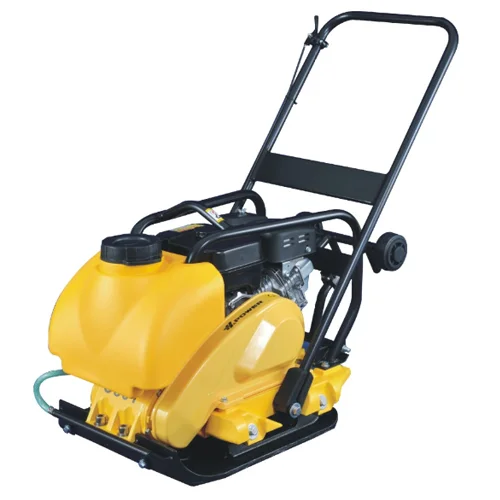
For heavy commercial patching, thick layers of material, and municipal repairs, the HP-C80T Heavy Duty Asphalt Compactor brings serious centrifugal force. It packs down hot mix quickly and deeply before the asphalt has a chance to cool off, ensuring maximum density and long-term durability.
HP-C65T High-Performance Asphalt Compactor: Engineered for Precision
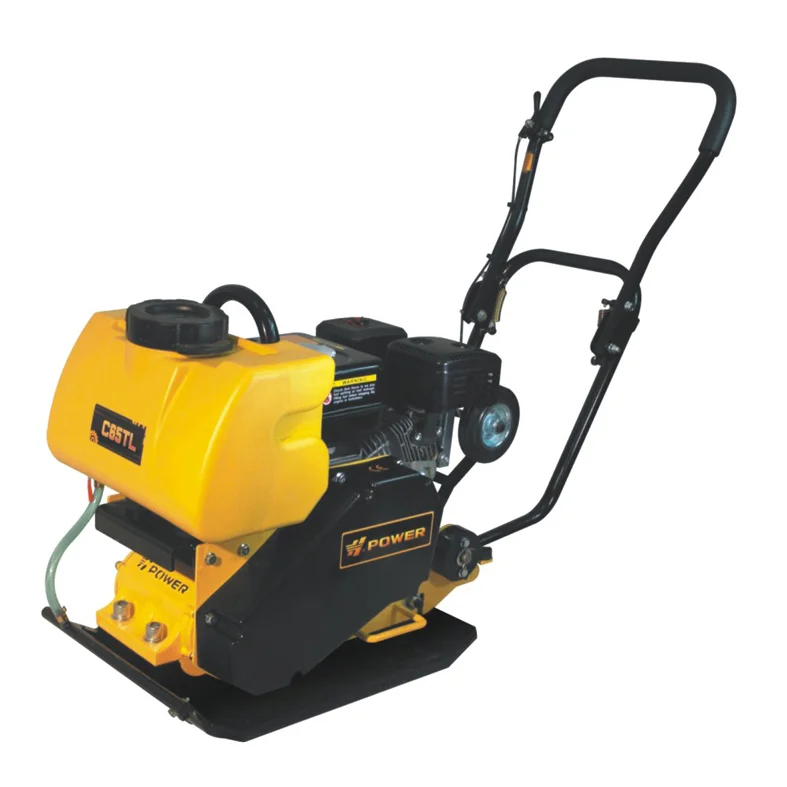
If your crew focuses on residential driveway repairs, tight corners around curbs, or smaller cold patch jobs, the HP-C65T High-Performance Asphalt Compactor is the ideal choice. It offers excellent maneuverability and provides a flawless finish without tearing up the surrounding landscape.
Looking to upgrade your fleet? LongdoGlobal provides professional equipment for contractors. Check out our Construction Equipment and Workshop Professional Tools sections to find the reliable machinery your crew needs for the next project.
FAQ
Q1: Can you use a regular dirt compactor for asphalt?
A: You can, but it is highly discouraged unless it has a water sprinkling system. Without water lubrication, the hot asphalt tar will instantly stick to the dry metal plate, creating a difficult mess and ruining the road surface.
Q2: How long does cold patch take to cure?
A: Unlike hot mix, cold patch can take weeks or even months to fully harden. It cures through the slow evaporation of solvents rather than through a temperature drop, which is why it remains flexible for a longer period.
Q3: Should you compact hot mix immediately?
A: Yes. You need to start the breakdown rolling and compaction process while the material is still extremely hot (typically between 275°F and 300°F). Once it cools below 185°F, compaction becomes ineffective and can damage the pavement structure.
Q4: What happens if you pour too much water on the plate compactor?
A: Flooding the asphalt drops its temperature too fast. This thermal shock prevents the asphalt binder from adhering properly, leading to weak spots, poor density, and premature crumbling of the patch.
Q5: Do you need to seal a new asphalt patch right away?
A: No. It is best to wait at least 3 to 6 months for the fresh asphalt oils and solvents to cure and evaporate completely before applying any liquid seal coat.
