







Tips for Compacting Dirt, Gravel, and Paver Bases
Getting a solid base is usually the least glamorous part of any hardscaping or building job. You spend hours walking back and forth in the dust or mud. It gets boring fast. But skipping this step means your new patio or driveway will probably sink next spring. Good compaction takes the air out of the soil so things stay flat. Let us look at how to tackle different materials the right way to keep your projects looking great for years.
Why Is Proper Soil Compaction Crucial for Your Project?
Jumping straight to pouring concrete or laying pavers on loose ground is asking for trouble. The earth underneath naturally shifts around depending on the weather and foot traffic. You have to force those soil particles tightly together first to create a stable foundation.
Prevention of Foundation Settling and Damage
A lot of people find out the hard way that loose ground settles unevenly over time. Gravity and rain slowly pack the dirt down naturally. When that happens under a finished surface, a concrete slab will crack right down the middle. Industry standards, such as those outlined by the American Society of Civil Engineers (ASCE), usually call for at least 95% standard Proctor density for most residential flatwork. Hitting that number means the ground will not drop out from under your work.
Enhancement of Load Bearing Capacity
Loose dirt cannot hold much weight. When you run machinery over the area, you squeeze out the empty air gaps between the soil grains. This process locks the particles firmly together. A tightly packed base can easily support heavy vehicles, hot tubs, or constant foot traffic without giving way.
Resistance to Water Penetration and Frost
Water is the biggest enemy of any paved surface. Loose soil absorbs rainwater like a giant sponge. If you live in a cold climate, that trapped water freezes and expands in the winter. This frost heave pushes your work up and ruins the level surface. Dense and compacted earth blocks a lot of that water from getting in.
How Do You Effectively Compact Different Types of Dirt?
Not all dirt acts the same under pressure. What works for dry sand will completely fail on sticky clay. You have to match your method to the exact material sitting in front of you on the site.
Strict Moisture Control for Cohesive Clay Soils
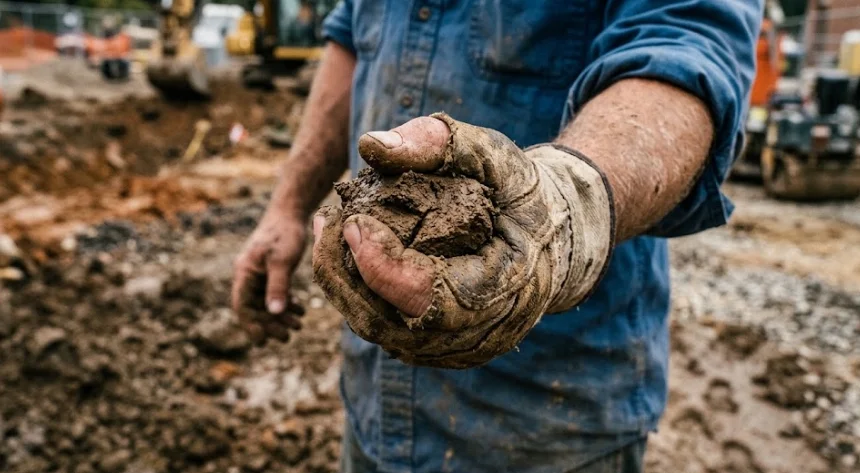
Clay is notoriously tricky to work with. If it is too dry, it turns into hard clods that just break apart. If it is too wet, your machine will sink and get stuck in a muddy mess. Grab a handful of the dirt and squeeze it. It should hold its shape without dripping water. Sometimes you literally have to stand there with a hose lightly spraying the area before running your dirt compactor.
Application of Heavy Dirt Compactors for Granular Soil
Sand and gravel are granular and do not stick together naturally. To get them tight, you need strong vibration to shake the individual particles into place. Heavier machines drop more force into the ground. This sends shockwaves deep down and settles the sand into a tight lock.
Selection of Reliable Construction Equipment for Stable Performance
You cannot expect good results if your machine bogs down every ten minutes. Jobs stall when motors quit or belts snap unexpectedly. It makes sense to invest in dependable construction equipment that delivers a steady beat. A consistent vibration frequency is what actually gets the job done right.
What Are the Best Practices for Compacting Gravel Bases?
Gravel forms the structural backbone for most driveways and patios. But dumping a massive pile and just driving a machine over the top is a common rookie mistake. The vibration only goes so deep. Here is a quick look at typical compaction depths based on the equipment force.
| Equipment Type | Compaction Force | Max Effective Lift Thickness |
| Lightweight Plate Compactor | 10 to 13 KN | 2 to 3 inches |
| Mid Range Plate Compactor | 15 to 18 KN | 4 to 6 inches |
| Heavy Gas Tamper | 13 to 16 KN | 6 to 8 inches |
Layering the Gravel in Manageable Lifts
Always work in thin layers, usually called lifts in the trade. Spread about two to four inches of gravel at a time. Run the machine over it until it stops settling. Then add the next layer. If you dump eight inches all at once, the bottom four inches will stay loose no matter how many times you drive over the top.
Utilizing a Powerful Gas Tamper for Deep Vibration
Sometimes you are working down in a narrow trench laying pipe or pouring footings. A flat plate just will not fit in those tight spots. That is when a gas tamper comes in handy. These upright machines hit the ground with a lot of directed force, punching deep into the gravel layer to lock it tight in confined spaces.
Deployment of the 18KN Compactor C90 for Superior Results
For open gravel bases, you need a machine that balances size and hitting power. The 18KN Compactor C90 hits the sweet spot for most medium to large jobs. It delivers 18 kilonewtons of centrifugal force, which easily handles those four to six inch lifts of crushed stone. It moves forward smoothly on its own so the physical labor is a lot less exhausting.
How Can You Compact Paver Bases Without Surface Damage?
Once the base is done and the pavers are laid out, you have to run the machine over the actual bricks to set them into the sand. Doing this wrong will scratch or crack expensive materials and ruin the whole look of the patio.
Preparation of a Perfectly Flat Base Layer
Before a single paver goes down, the bedding sand needs to be perfectly screeded. Any dips or bumps in the sand will transfer straight up to the bricks. A flat base means the compacting machine glides evenly over the top and applies equal pressure everywhere.
Installation of Polyurethane Paving Pads
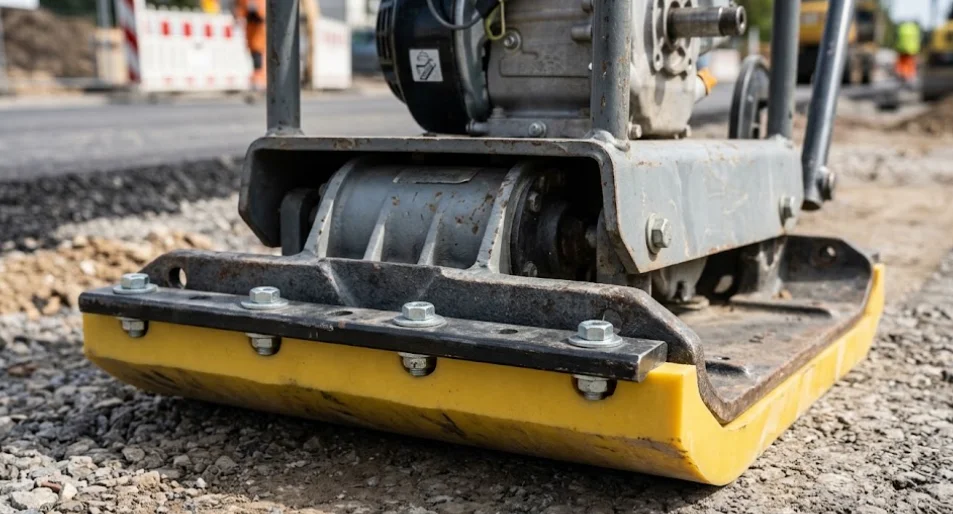
Never run bare metal plates directly over paving stones. The harsh metal vibration will chip the edges and leave ugly grey scuff marks all over your new hardscape. Always attach a polyurethane pad to the bottom of the machine. This thick rubbery mat acts like a shock absorber to protect the surface.
Execution of Gentle Passes With Plate Compactors
When doing the final pass over the stones, do not force the machine. Let it pull itself forward naturally. Your job is just to steer it in straight lines. Over working one spot can push the bricks out of level. A smooth and continuous walk behind plate compactors will lock the sand in tightly without breaking anything.
Why Should You Choose LongdoGlobal for Compaction Equipment?
Picking the right tool supplier matters just as much as knowing the right techniques. You need machines that start on the first pull and hold up to heavy dust and constant vibration on real job sites.
Proven Industry Expertise and Company Reliability
Working with a manufacturer that actually knows the daily grind of a job site makes a big difference. You can read about their background on the about us page. They build equipment meant to survive rough handling and harsh outdoor conditions.
Comprehensive Customer Support and Professional Service
Machines break eventually because that is just the nature of heavy work. What you really want is a supplier that helps out when things go wrong. Fast access to replacement parts and technical help through a dedicated service department keeps your downtime to an absolute minimum.
FAQ
Q1: What happens if you do not compact the dirt before building?
A: The ground will settle naturally over time. This creates air pockets and uneven support, leading to cracked concrete and sunken pavers after a few rainstorms.
Q2: Can you use plate compactors on wet soil?
A: A little moisture helps bind the dirt, but soaking wet soil will just stick to the bottom plate and cause the machine to bog down and get completely stuck.
Q3: How deep does a standard plate compactor penetrate?
A: Most standard machines effectively pack down about two to four inches of material at a time, which is exactly why working in thin layers is so important.
Q4: Is it necessary to use a pad when setting paving stones?
A: Yes. Without a protective rubber or polyurethane pad, the bare metal base will heavily scratch, scuff, or even crack the surface of your expensive stones.
Q5: Why choose a gas tamper over a flat compactor?
A: Tampers deliver a direct and high impact blow that works much better for deep, narrow spaces like utility trenches where a wide plate simply cannot fit.
